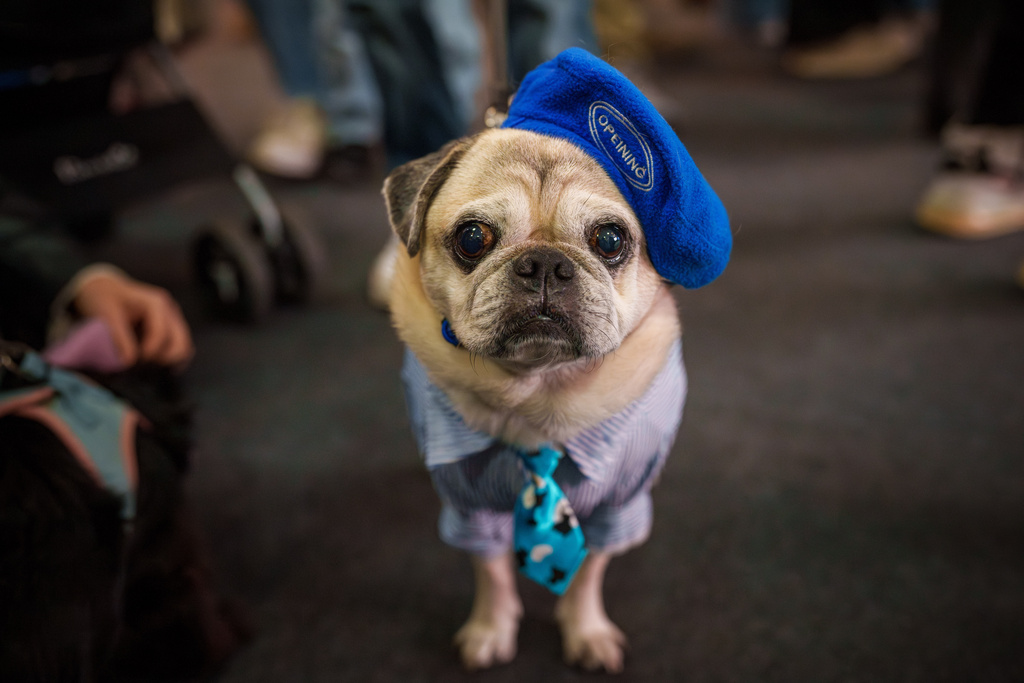
With Halloween approaching, Dr. Kelly Hood, a veterinarian for Pet Health Digest, is urging pet owners to reconsider dressing their pets in costumes. She warns that what may seem like a fun photo opportunity could lead to stress for the animals.
Read More
Dr. Hood highlights that pets can exhibit subtle signs of discomfort when dressed in costumes or made to pose for photographs. She states, "The Halloween photo isn’t worth making your pet uncomfortable. If your dog goes rigid, turns away or keeps trying to leave, put the camera down. You don’t need to wait for a growl or a snap to take those signals seriously."
The American Society for the Prevention of Cruelty to Animals (ASPCA) also advises against costumes unless owners are certain that their pets tolerate them. Costumes should not restrict movement, vision, breathing, or the ability to vocalize.
Signs of stress in dogs may include repeated lip licking, yawning, pulling ears back, tucking tails, or freezing. In cats, stress can manifest as crouching, ear flattening, or hiding. However, Dr. Hood cautions that individual behaviors should be regarded alongside the pet’s overall body language. She noted, "A cat crouching in a costume with its ears flattened isn’t necessarily being patient. And purring alone doesn’t always indicate a cat is happy."
If a pet shows signs of discomfort, Dr. Hood recommends stopping the photo session, removing the costume, and allowing the animal to retreat to a calm space.
In addition to costumes, other stressors on Halloween include frequent doorbell rings, unfamiliar guests, and children in masks. The ASPCA suggests keeping pets in a separate, quiet room away from the front door during trick-or-treating hours, providing familiar bedding, water, and a hiding space.
Dr. Hood noted, "A pet that usually welcomes visitors may find a stream of masked strangers overwhelming. They don’t have to greet every child at the door to be part of the family’s Halloween."
For those wanting to involve their pets in Halloween festivities, Dr. Hood recommends taking costume-free photographs or using Halloween decorations as a background. She advises, "Let your pet choose whether to approach and stay. If getting the picture means preventing them from leaving, that is your cue to stop."