The UC Davis Translational Brain Tumor Center has been established to enhance treatment options for brain tumors in both humans and pets. This initiative unifies specialists from the UC Davis Weill School of Veterinary Medicine and UC Davis Health with the goal of accelerating the development of new therapies.
Read More
The center is designed to integrate laboratory research, veterinary clinical trials, and human medicine, thereby reducing the time it takes to translate scientific discoveries into applicable treatments. Dr. Michael Mison, associate dean for Veterinary Medical Center operations and chief veterinary medical officer, emphasized the center's focus on improving outcomes for patients, stating, “Ultimately, success from this center will come back to the patient.”
As part of its launch, the center is already conducting clinical research. Two studies funded by the National Cancer Institute are actively enrolling dogs with glioma, a type of brain tumor. The CARE trial aims to test an experimental drug that enhances glioma cells' susceptibility to radiation therapy, while the PRISM trial explores the progression of canine gliomas through clinical, genetic, and immune profiling in order to facilitate personalized treatment approaches.
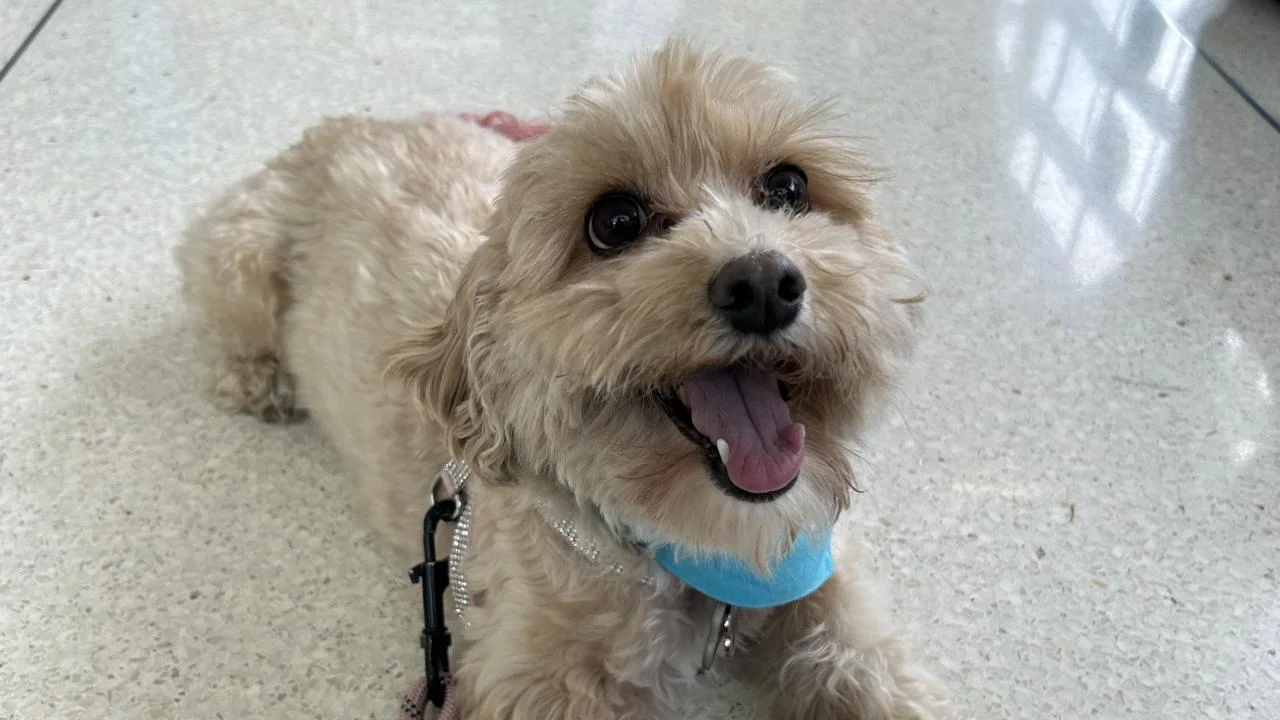
In a related effort, the UC Davis veterinary program recently highlighted a therapy dog named Luna, who has benefited from clinical trials utilizing fluorescence-guided surgery for brain tumor removal. Luna is now successfully back in her role as a therapy dog, visiting various facilities to provide comfort.
The center also seeks to expand access to specialized care and advanced treatments for dog owners in the Sacramento area and beyond. The ongoing research will contribute to a deeper understanding of brain tumor development and varied responses to treatment across patients.
The choice to study brain tumors in dogs is founded on their shared characteristics with human cancers, including genetic alterations and treatment responses. Companion dogs develop tumors similar to those found in humans, which allows researchers to test new diagnostic methods and treatment options in a clinical context. This dual focus aims not only to improve veterinary care but also to yield insights that can enhance human treatments.
Dr. Orin Bloch, director of the Brain Tumor Program at the UC Davis Comprehensive Cancer Center, expressed excitement about the collaborative potential, noting that the center positions UC Davis at the forefront of brain tumor research and treatment.
Led by a multidisciplinary team specializing in various aspects of neuro-oncology, the center aims to facilitate knowledge transfer between veterinary and human medicine. Christine Toedebusch, the center’s director, highlighted the importance of collaboration, stating, “The greatest advances will come from connecting that expertise around shared questions.”
For more information on the UC Davis Translational Brain Tumor Center and its ongoing canine clinical trials, interested parties can visit their official communications.