A recent study published in Frontiers in Veterinary Science explores the relationship between urinary neurotransmitter levels and behavior in domestic dogs. Behavioral problems are common in canines, impacting the quality of life for both dogs and their owners. This investigation, conducted between January and June 2020 at the University of Veterinary Medicine Hannover, Germany, involved assessing 100 privately owned dogs.
Read More
The study utilized established behavioral assessment tools, including the Canine Behavioral Assessment and Research Questionnaire and other validated scales, to evaluate factors such as anxiety, aggression, and hyperactivity. Urine samples were collected non-invasively and analyzed for nine neurotransmitters using high-performance liquid chromatography.
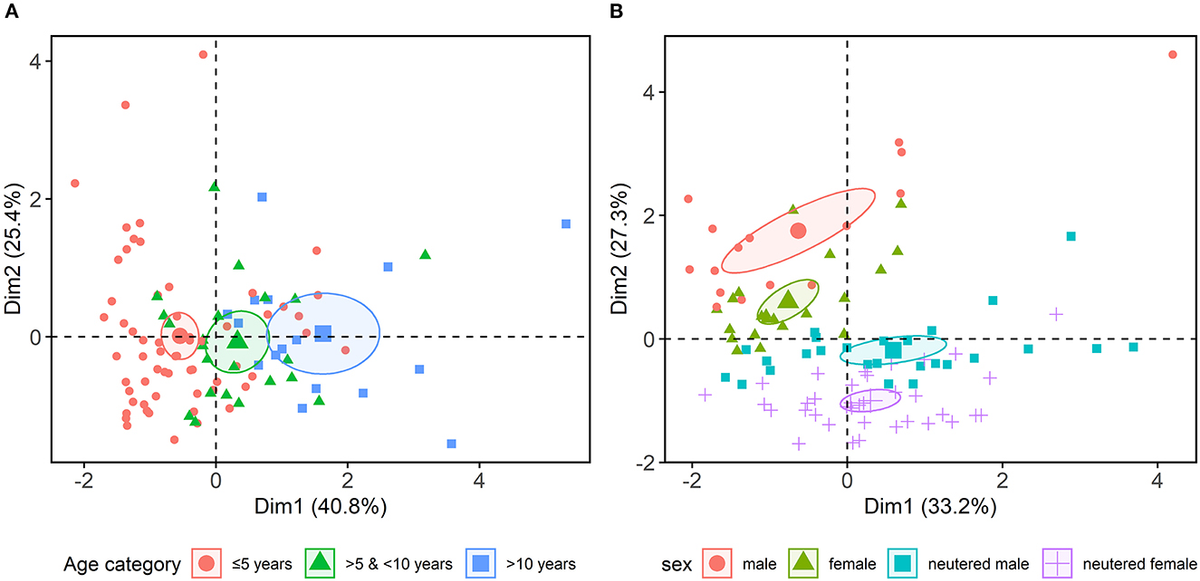
Despite previous research suggesting potential connections between neurotransmitter levels and behavioral disorders in animals and humans, this study did not find significant correlations between urinary neurotransmitters and the assessed dog behavior profiles. However, it identified age, sex, and neuter-related influences on urinary neurotransmitter excretion, indicating hormonal effects.
These findings align with prior research indicating that both age and sex can influence neurotransmitter levels. The study concluded that while urinary neurotransmitter testing could not be validated as an effective tool for canine behavior assessment, it remains a promising area for further exploration. Future studies may refine assessment methods and clarify the potential role of urinary neurotransmitters as biomarkers in canine behavioral health.