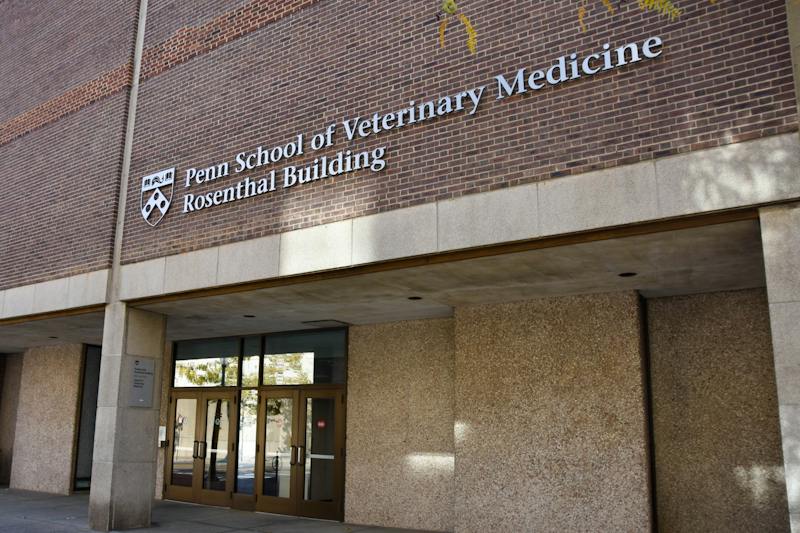
The University of Pennsylvania's School of Veterinary Medicine has commenced construction on a $94 million diagnostic laboratory, funded by the Pennsylvania Department of Agriculture. The 63,000-square-foot facility is located at the New Bolton campus in Kennett Square, Pennsylvania. It will house the Pennsylvania Animal Diagnostic Laboratory System and the Pennsylvania Equine Toxicology Research Laboratory, which provide essential services to agricultural communities throughout the state.
Read More
Mary Robinson, the acting director of the Equine Toxicology Research Laboratory and a 2010 graduate of the School of Veterinary Medicine, praised the collaboration between Penn Vet and the Department of Agriculture, referring to it as “wonderful.” She noted that the co-location of the two laboratories would enhance cooperative efforts, citing her strong professional relationship with Lisa Murphy, the resident director of the Pennsylvania Animal Diagnostic Laboratory System.
Construction is slated for completion in 2028, with both laboratories expected to move in the following year. Robinson highlighted that the new building would offer students and faculty access to advanced analytical and research laboratories, which are currently limited at their present location. She believes this change will provide students with crucial exposure to diverse laboratory experiences.
Robinson remarked that having the new facility close to the teaching hospital will significantly benefit students, who will be able to engage with the various services offered by the Equine Toxicology Research Laboratory. In an announcement, Penn Vet Dean Andrew Hoffman stated that this investment reflects the importance of the science dedicated to safeguarding the state’s animals, agriculture, and public health.
Pennsylvania Agriculture Secretary Russell Redding underscored the significance of the state's investment in agriculture, a sector comprising more than 48,000 farms, supporting nearly 600,000 jobs, and contributing over $132 billion annually to the state’s economy. He emphasized that supporting Penn Vet’s research, diagnostic testing, and animal care would enhance Pennsylvania's ability to detect and prevent diseases and advance its animal agriculture leadership.