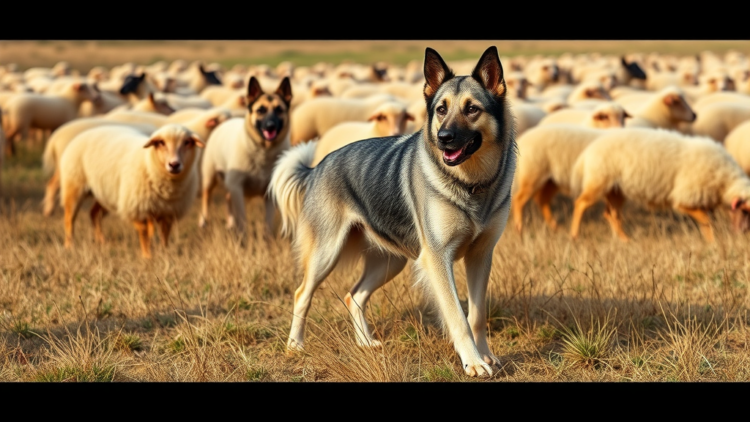
A recent genomic study involving 445 Iberian livestock dogs has highlighted the significant genetic influence of centuries of shepherding practices across the Iberian Peninsula. Published in BMC Biology, the research indicates that the traditional mobile lifestyle of shepherds and their dogs has resulted in a high level of genetic diversity among these working breeds, despite their varied appearances and functions.
Read More
Led by Diogo Coutinho-Lima and Raquel Godinho from the University of Porto’s CIBIO research center, the study aimed to explore the genetic relationships between different breeds of working dogs in Iberia, which includes both large livestock guarding breeds like the Spanish Mastiff and agile herding breeds such as the Basque and Galician sheepdogs. While these breeds were developed for distinct tasks—guarding versus herding—the genetic analysis revealed surprising similarities between them.
To achieve this, the team utilized a comprehensive dataset that included both Y-linked and autosomal microsatellite markers and genome-wide single nucleotide polymorphism (SNP) data. This extensive comparison allowed researchers to contextualize the Iberian dogs alongside village dogs, wolves, and various global dog breeds. Analytical methods such as principal component analysis and ADMIXTURE clustering confirmed that Iberian livestock dogs maintain high genetic diversity, which differs markedly from many modern pedigree breeds that often suffer from inbreeding.
Notably, the study found little genetic differentiation between herding and guarding breeds, suggesting that geographic and breed identity have a more substantial effect on genetic structure than functional roles. This pattern implies that traditional transhumance practices—seasonal movements between highlands and lowlands for livestock—facilitated gene flow and interbreeding among dog populations, preventing genetic isolation.
Migration analysis revealed substantial historical gene flow, including exchanges across breed types, indicating a history of movement and exchange rather than a strictly separate evolutionary path. The genetic evidence supports the theory that while distinct breeds exist, their foundational genetic diversity stems from a long history of connectivity and shared ancestry.
The implications for evolutionary biology and conservation genetics are significant. Specialization in roles does not necessarily produce deep genetic divides if population connectivity is maintained. The study emphasizes that domestic animals reflect human cultural practices, with the genetic patterns of Iberian dogs serving as a testament to the historical significance of pastoralism.
For breeders and conservationists, the findings underscore the importance of preserving traditional pastoral systems, as these dogs represent valuable reservoirs of genetic variation critical for their viability and the health of related breeds globally. As sheep farming evolves and wolf populations increase, the historical roles of these dogs could become relevant once again. The study is accessible in BMC Biology under DOI 10.1186/s12915-026-02744-y.