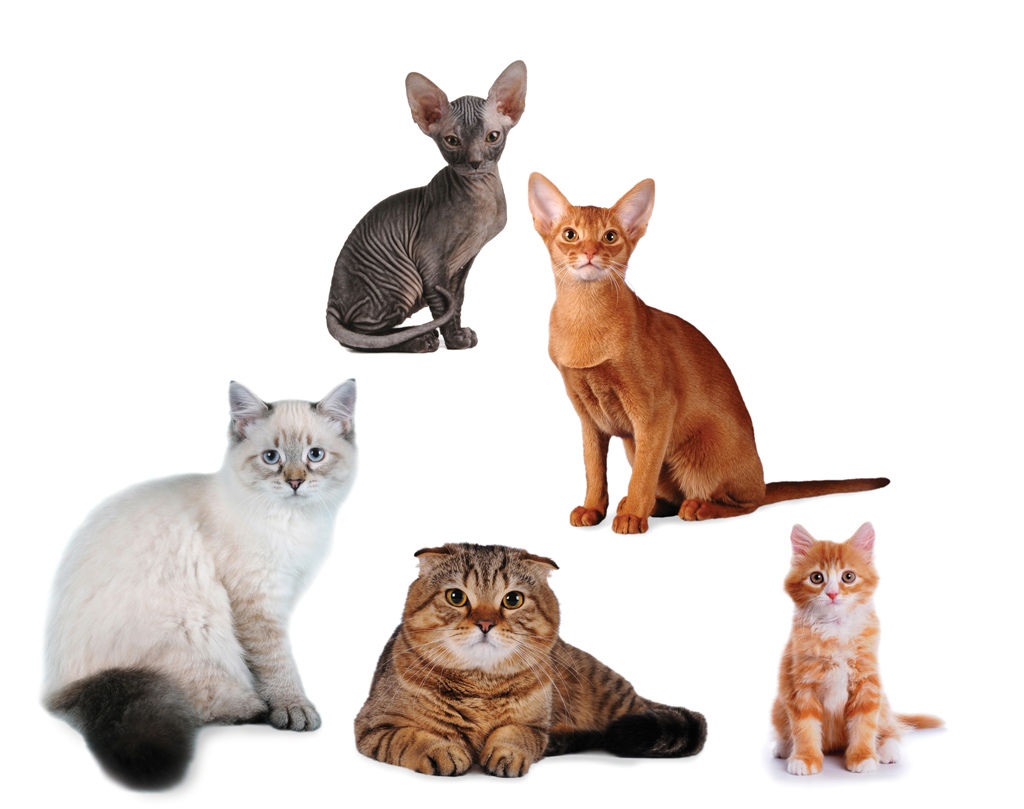
A recent study conducted by pathobiologists in the UK, in collaboration with a colleague from Taiwan, has created a life expectancy chart for around 8,000 domestic cat breeds. The research team, associated with The Royal Veterinary College and National Chung Hsing University, published their findings in the Journal of Feline Medicine and Surgery.
Read More
Their study builds on prior research that indicated variations in lifespan among cat breeds. By analyzing death certificate data from the VetCompass program between 2019 and 2021, the team examined 7,936 cat deaths in the UK to categorize the average lifespan of different house cats.
Overall, the study found the average life expectancy for domestic cats to be 11.74 years, with male cats living approximately 16 months less than female cats. The Burmese breed emerged as the longest-lived, averaging 14.42 years, while the Sphynx breed was noted as the shortest-lived at just 6.68 years.
Moreover, the researchers discovered that lifestyle factors affect longevity, observing that overweight cats typically have shorter lifespans. They also highlighted that selective breeding practices have contributed to health issues affecting life expectancy. This has led to an increase in common birth defects such as heart issues, eye diseases, and reduced muscle strength.
The Sphynx breed exemplifies these complications; while bred for their hairlessness to accommodate those with fur allergies, they face a heightened risk of various diseases that could result in premature death.