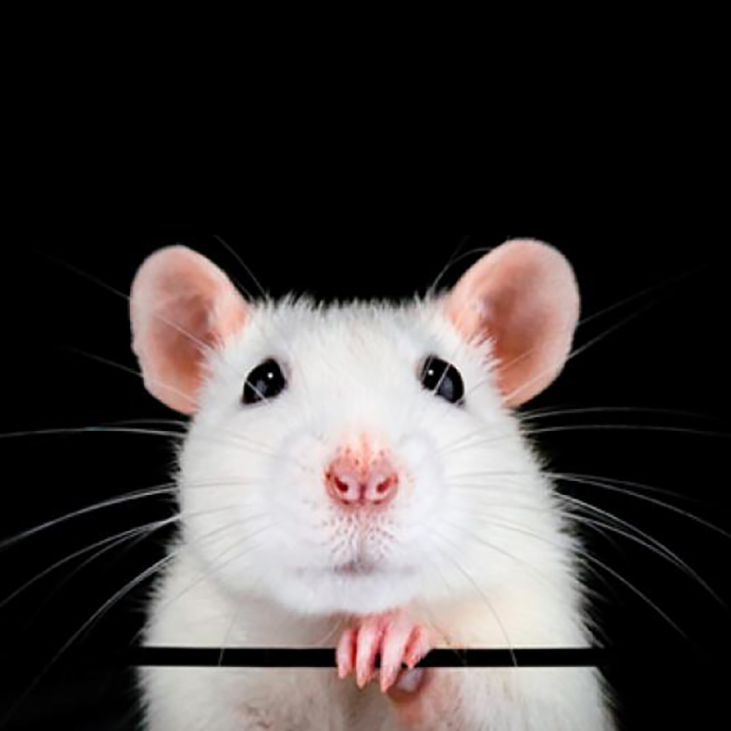
Despite the availability of non-animal testing methods, many animal tests continue to be conducted. The Replace Animal Tests (RAT) List highlights ten specific tests still legally required to be performed on animals, even though effective alternatives are known to yield reliable results.
Read More
Testing occurs worldwide, but the European Union is unique in publishing annual reports on animal testing statistics. According to 2022 data, approximately 1.2 million animals are used annually in Europe for these ten tests alone.
In the last 30 years, notable advancements have been made in non-animal testing methods that could replace or supplement various animal tests, particularly across different product sectors. However, progress in the actual adoption of these methods has been slower than anticipated. Valid non-animal approaches for evaluating skin irritation, sensitization, and batch safety have faced protracted periods before receiving acceptance, with animal tests still being utilized for these assessments.
The obstacles to replacing animal testing often stem from regulatory ambiguities and inconsistent enforcement worldwide, which hinder the acceptance of non-animal methods. Given that these alternatives can be more cost-effective, quicker, and more precise than traditional tests, it is crucial for both animal welfare and scientific advancement to accelerate their implementation.
Addressing the barriers to fully replacing animal testing procedures is an urgent matter.