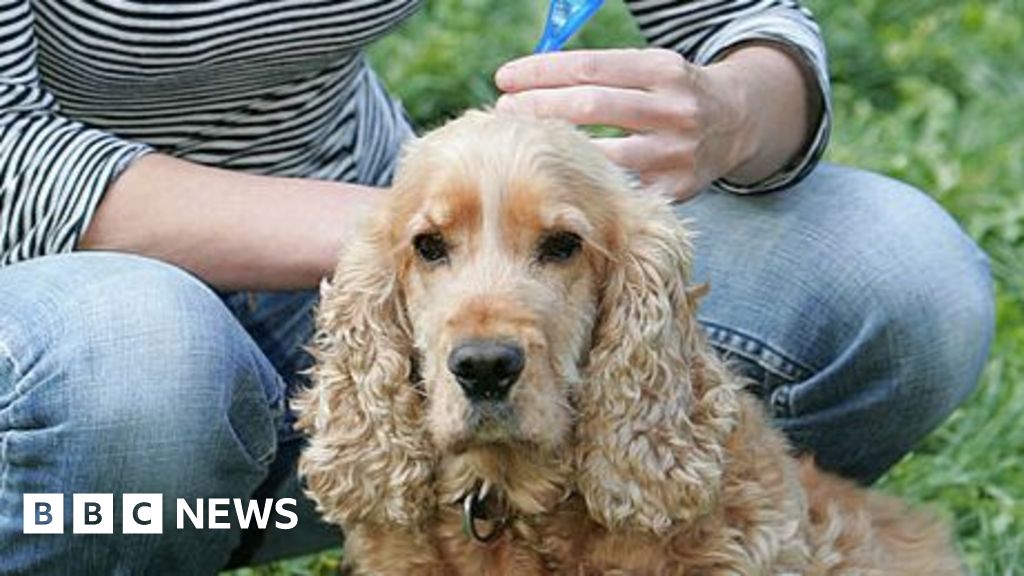
Scientists have reported the presence of toxic chemicals from pet flea treatments in rivers across Wales, revealing that these substances are harming local wildlife. The study highlighted that the issue is particularly severe in urban areas, where pesticides enter waterways through misconnected sewers and discharges from wastewater treatment facilities, mainly after pets and their bedding have been washed.
Read More
In the UK, over 3.5 million doses of spot-on flea treatments, which are applied to pets, are sold annually. In response to these findings, veterinarians are reassessing their recommendations on the routine use of these products.
Natural Resources Wales (NRW) indicated that the study's results would inform efforts to monitor rivers and mitigate pollution. Welsh Water stated that the chemicals do not impact drinking water quality.
Molly Hadley from Cardiff University's Water Research Institute expressed her concern about the high concentrations of these chemicals, which were found to be ecologically significant and capable of harming river wildlife.
The research team, which conducted a three-year study sampling 62 locations across nine rivers in Wales, identified the pesticides imidacloprid and fipronil in over 75% of river water samples, with nearly half of the urban samples exceeding safe levels. The problem was found to be worse in downstream areas, where urban runoff and sewage discharge occur.
This study is the first to establish a pathway for these chemicals to reach waterways, disproving the assumption that they primarily enter rivers from pets swimming in those bodies of water. Professor Steve Ormerod, who led the research, noted that the washing of treated pets, their bedding, and even handwashing contributed significantly to this contamination.
Roath Brook in Cardiff exhibited the highest chemical concentrations, sometimes up to 45 times above safe levels, leading to substantial declines in aquatic insect populations. Ormerod explained that the presence of these toxic substances leads to drastic changes in the insect communities in streams, including reductions of up to 90% in certain mayfly species.
Local residents expressed surprise at the findings. One dog owner remarked on her cautious bathing routine with her pet, while another mentioned her preference for tablet treatments over spot-on applications due to pollution concerns.
In light of growing environmental concerns, the British Veterinary Association (BVA) has revised its guidance on flea treatment use. Dr. Gwen Rees stated that veterinarians are now advocating for a risk-based approach, urging pet owners to evaluate individual circumstances before deciding on treatment options.
While flea treatments are essential for animal health, Rees emphasized the importance of using them responsibly and only when necessary.
Ormerod underscored the need for veterinary organizations and regulatory bodies to collaborate in addressing the environmental challenges posed by these chemicals, which may be reversing decades of ecological recovery in British rivers. NRW reaffirmed its commitment to improving water quality in Welsh rivers, acknowledging the study's contribution to understanding emerging pollutants in the environment.