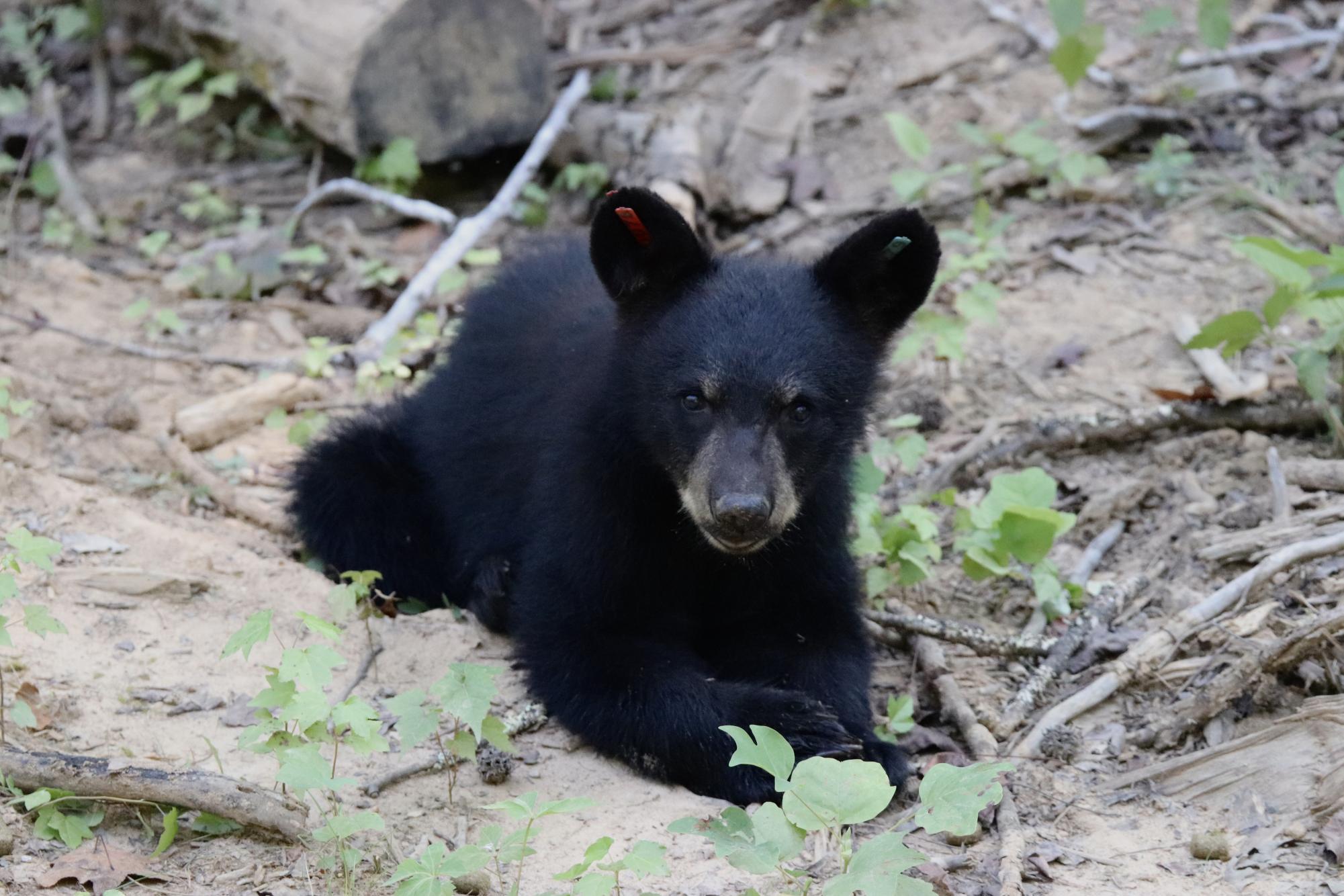
On July 28, the Tennessee Wildlife Resources Agency rescued an orphaned black bear cub in Gatlinburg after receiving reports from residents about a scrawny baby bear waiting for its mother, who never returned. The cub quickly ate a wildlife officer's lunch, which included a bologna sandwich and a pound cake, prompting the officer to contact the Appalachian Bear Rescue and transport the cub to the University of Tennessee College of Veterinary Medicine.
Read More
Upon arrival, Julie Sheldon, a clinical associate professor of zoological medicine, examined the cub. "We used to have a sign on the door that said 'fix-a-bear workshop,'" Sheldon stated, highlighting the college's focus on rehabilitating orphaned or rescued bears.
For years, the College of Veterinary Medicine has undertaken the rehabilitation of black bear cubs, with veterinarians and students analyzing their conditions. Jon Bumpus, a naturalist and senior communications specialist for the Appalachian Bear Rescue, noted that all bears rescued by the organization first receive care at the college, ensuring high standards in treatment.
During the examination, veterinarians discovered lump-like masses on the cub's body, which turned out to be botfly larvae beneath its skin. This discovery marked the first time UT veterinarians identified these parasites in a bear. Following surgical extraction of the larvae, Sheldon provided the bear with a clean bill of health despite the cub weighing only 7.7 pounds, under half the weight of a healthy cub its age.
Named Hemlock after the eastern hemlock tree, the cub was temporarily transported to the Appalachian Bear Rescue, which is dedicated to the rehabilitation of orphaned and injured bear cubs. Hemlock became the organization’s first resident bear cub in over a year, receiving 24-hour care in a specially designed facility.
Bumpus remarked on the challenges of caring for bear cubs, likening the difficulty of managing them once they reach 20 pounds to handling an unfriendly pitbull. After settling in, Hemlock showed significant health improvement, eagerly consuming bear diet pellets and honey mixed with medicine for internal parasites.
Bumpus expressed his enthusiasm for the rehabilitation process, noting how it fulfills his long-standing passion for studying eastern black bears. Hemlock is scheduled for release back into the wild in late fall 2026.