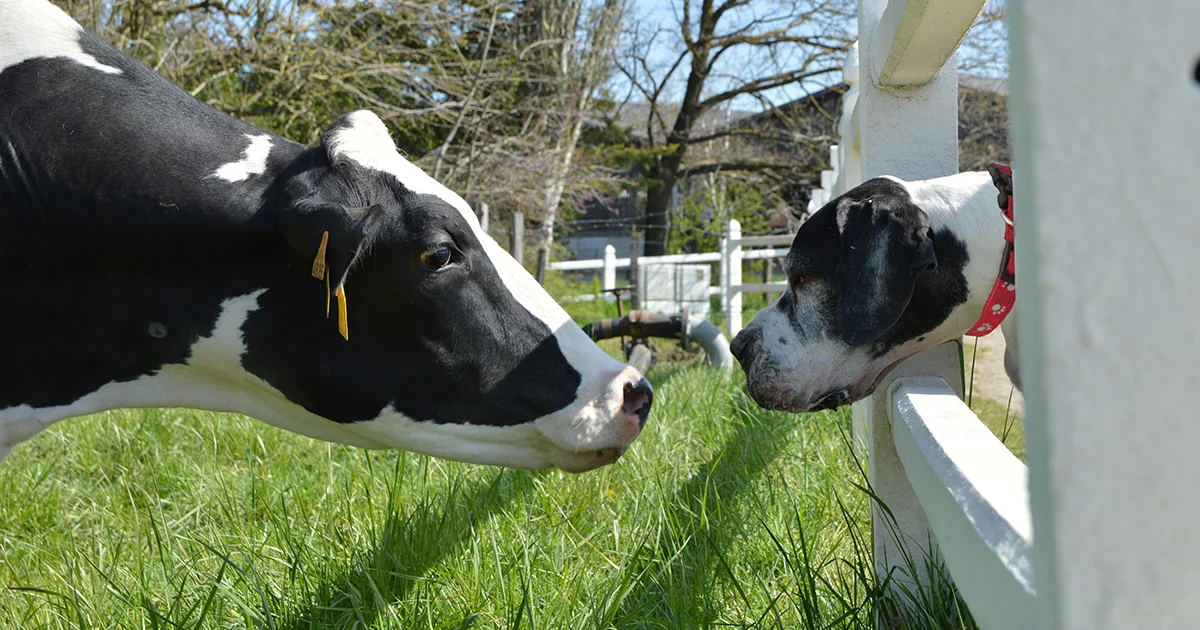
Animals experience pain, fear, comfort, and happiness, warranting our compassion. Pet owners can positively impact animal welfare by recognizing the link between pet food and the treatment of farm animals. Advocating for higher-quality food for pets can also improve the conditions of farm animals involved in pet food production.
Read More
The majority of pet food is sourced from factory farms, where companion animals such as dogs and cats contribute significantly to meat consumption—about one-third of all meat produced in the U.S. If pets constituted their own nation, they would rank fifth globally for meat consumption. Unfortunately, most pet food comes from factory farms, which confine thousands of animals in harsh, cramped conditions, often preventing them from moving freely.
The rise of industrial agriculture has led to large-scale operations using byproducts deemed unsuitable for human consumption in pet food. Loose regulations allow the inclusion of diseased animals, expired meat, and even roadkill in pet food. Pasture-based farmers who utilize humane, sustainable practices struggle to compete in a market dominated by industrial sources.
To improve conditions for farm animals, pet owners can opt for basic improvements in sourcing, such as choosing cage-free eggs, which, while often a minor ingredient, can significantly enhance the welfare of laying hens. Many pet food shoppers express a desire for more humane options, with nearly 90% indicating a willingness to switch brands for better sourcing and potentially pay a higher price for higher-welfare products.
Pet owners can discover better food options sourced from humane, certified farms through platforms like ASPCA ShopKind. Another approach to mitigating the impact of industrial agriculture is to minimize reliance on animal-derived ingredients. Although cats cannot thrive on a plant-based diet, options exist for dogs, with several brands providing nutritionally balanced plant-based food compliant with AAFCO standards.
Daisy Freund, Vice President of Farm Animal Welfare at the ASPCA, emphasizes the disconnect between consumers and the realities of industrial farming, influenced by marketing tactics that obscure the conditions in which animals are raised. She urges pet lovers to break this distance by choosing higher-welfare pet food.
The ASPCA works to empower pet owners and engage the pet food industry to enhance their offerings. Their initiative, Pet Food Progress, collaborates with brands focusing on higher-welfare sourcing and assists farmers seeking to enter the market with humane practices.
Consumers can explore humane pet food options at ASPCA ShopKind, where products are verified by third-party certification. It's also advised that pet owners consult veterinarians before altering their pets' diets. The ASPCA encourages spreading the message surrounding humane pet food choices, including engaging with media discussions on these critical issues.