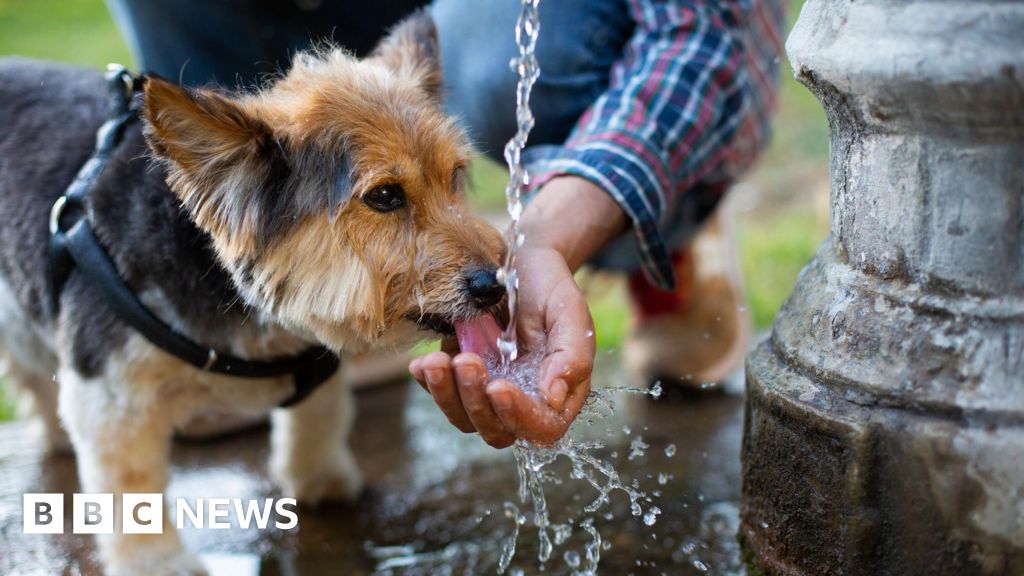
As temperatures rise, it's important to ensure the safety and comfort of pets, particularly dogs. While there is no specific "safe" temperature for walking dogs, factors such as breed, age, health, and temperament can significantly influence how they react to heat. When walking dogs, it is advisable to do so early in the morning or late in the evening, seek shaded areas, and prefer grassy paths.
Read More
Signs of distress in dogs during hot weather include limping or refusal to walk, licking or chewing at their feet, and visibly discolored or damaged foot pads. Also, look for blisters or redness on their skin. The RSPCA advises against running or cycling with dogs in high temperatures, and if dogs are getting less exercise, engaging them with puzzle toys or training games can help.
Heatstroke is a serious concern, especially for dogs with underlying health conditions or thick coats, as well as for puppies and older dogs. Flat-faced breeds like bulldogs and pugs may have difficulty cooling themselves due to their shorter snouts. Symptoms of heatstroke include excessive panting, drooling, confusion, shaking, weakness, vomiting, diarrhea, and seizures. Immediate action is crucial; move the dog to shade and slowly pour cool water over their body, avoiding the head if they are struggling to breathe. Contact a veterinarian once the dog begins to cool down for further advice.
To keep pets cool, provide plenty of fresh water, possibly with ice cubes, and consider offering frozen edible snacks. Using damp towels underneath pets rather than directly on top is effective, and cooling mats or jackets designed for pets can also help—just ensure they are used as instructed. Supervision is key when pets are around water, like paddling pools.
Grooming is essential to prevent matted fur, which can hinder cooling. Indoor cages and fish tanks should be placed out of direct sunlight. Never leave pets in a locked vehicle or unventilated areas such as sheds or conservatories, as temperatures can quickly become dangerous.
Pets, particularly light-colored ones or those with thin fur, can suffer sunburn, especially on their ears, noses, eyelids, and bellies. Using a pet-safe waterproof sunscreen with an SPF of 30 or higher is recommended; some formulations even contain a bitter taste to deter pets from licking it off. Look for signs of sunburn, including blisters, crusting, itching, or redness.
When visiting the beach with dogs, check that dogs are allowed, and assess the temperature of the sand. Create shade if needed, using a beach umbrella or similar item. If your dog enjoys swimming, be mindful of tide times and potential hazards. Always keep dogs leashed near strong currents or cliffs and rinse sand and seawater off their coat after leaving.