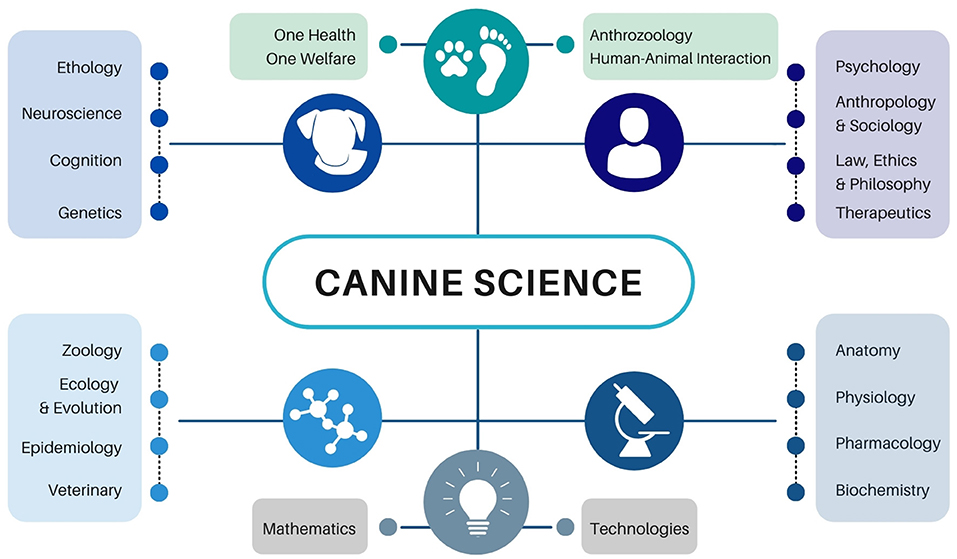
A Perspective article published in Frontiers in Veterinary Science discusses the evolving field of canine science and its significance in understanding and improving human-dog interactions. The work stems from two meetings organized by the Wallis Annenberg PetSpace Leadership Institute, which brought together experts to evaluate the growth of this interdisciplinary field and future challenges.
Read More
Historically, dogs were often seen by scientists as non-contributors to our understanding of natural systems. However, recent years have witnessed a shift as canine science has emerged as a recognized field, with experts increasingly being hired at notable research institutions and an upsurge in centers focused on studying canine behavior and interactions.
This rise can be attributed to several factors including heightened interest in dogs' behavior and cognition, expanded research methodologies involving non-human animals, acknowledgment of dogs as significant biological models for human health, and a growing body of work regarding dog-human relationships.
The emphasis on public engagement distinguishes modern canine science. Unlike traditional studies, which often remain within academic circles, current research includes the participation of dog owners who contribute to various studies from their homes. This public-facing approach allows for exceptionally large datasets, enabling insights into canine cognition and welfare on an unprecedented scale.
Despite this progress, the article identifies critical challenges ahead. First, canine welfare must be prioritized to align scientific practices with public expectations. The article advocates for viewing dogs as co-workers rather than mere subjects of research, reflecting a broader moral and ethical shift regarding animal treatment.
In terms of research communication, the article underscores the need for clear and accurate public messaging. High public interest in canine science presents an opportunity, but it also poses the risk of overstating research findings, leading to misconceptions about the benefits of dog ownership. Distinguishing between verified benefits and overgeneralized claims is essential for responsible communication.
Funding remains a crucial issue for the future of canine science. Although recent years have seen increased financial support from various sectors, there are still limited agencies backing research that emphasizes canine welfare alongside human benefits. An interdisciplinary focus is encouraged to cultivate a balanced and sustainable research environment.
Looking forward, the authors express a vision for a future where canine science is a robust field of inquiry that improves our understanding of dogs and their role in society. The goal is to create a mutually beneficial partnership between humans and dogs, highlighting the potential for research to inform practices that enhance the well-being of both species.