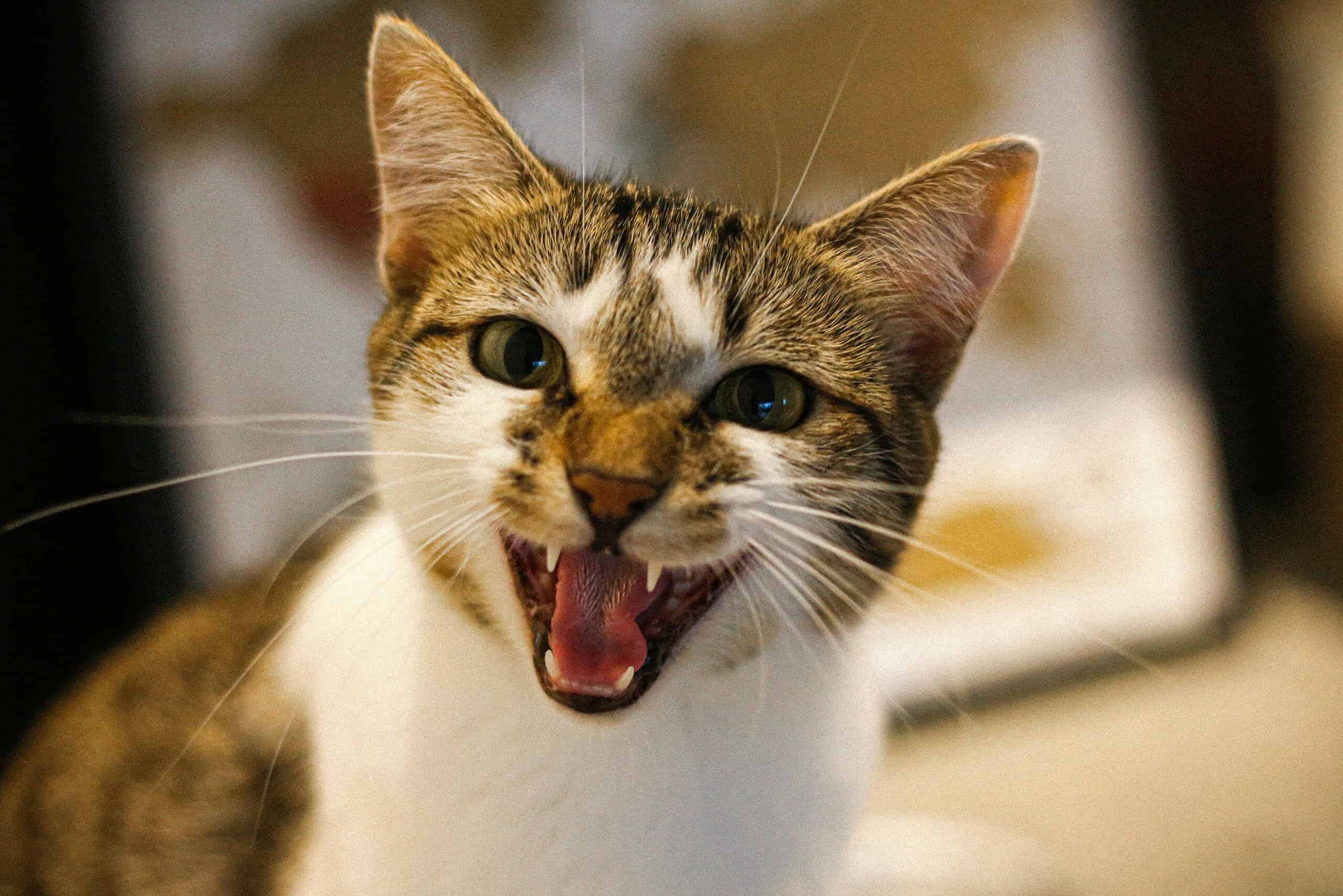
A recent study indicates that cats meow more in the presence of male caregivers compared to female ones. The research suggests that this may be due to men's difficulty in noticing subtle feline body language, prompting cats to raise their vocalizations to communicate effectively.
Read More
Researchers from Ankara University, led by Yasemin Salgırlı Demirbaş, recorded the greeting behavior of 31 cats in their homes, using chest cameras worn by their primary caregivers. The study analyzed hundreds of clips, identifying 22 different behaviors that characterize cat greetings.
The findings revealed a significant difference based on the caregiver's sex: cats exhibited more vocalizations when greeting men. Previous research supports this observation, showing that women are generally more interactive with pets and better at interpreting the subtleties of cat vocalizations. Conversely, men may be less responsive to these cues, prompting cats to vocalize more to get their attention.
The study also highlighted specific behaviors that constitute a cat's welcome, such as a vertical tail, approaching the person, and rubbing against them. These behaviors signify friendliness and a desire for interaction, serving as a feline equivalent of a greeting.
Furthermore, the study challenges the notion of "Cupboard Love," which implies that cats are only affectionate when seeking food. Researchers tracked food-related behaviors and found no correlation between these and social greetings, concluding that cats greet their owners primarily as part of social interaction, not merely for food.
While the study's findings are insightful, the authors note that it involved a small sample size and was conducted entirely in Turkey, raising questions about cultural influences on pet behavior. Nonetheless, the research suggests that cats adjust their communication strategies based on the perceived responsiveness of their caregivers.
This study was published in the journal Ethology.