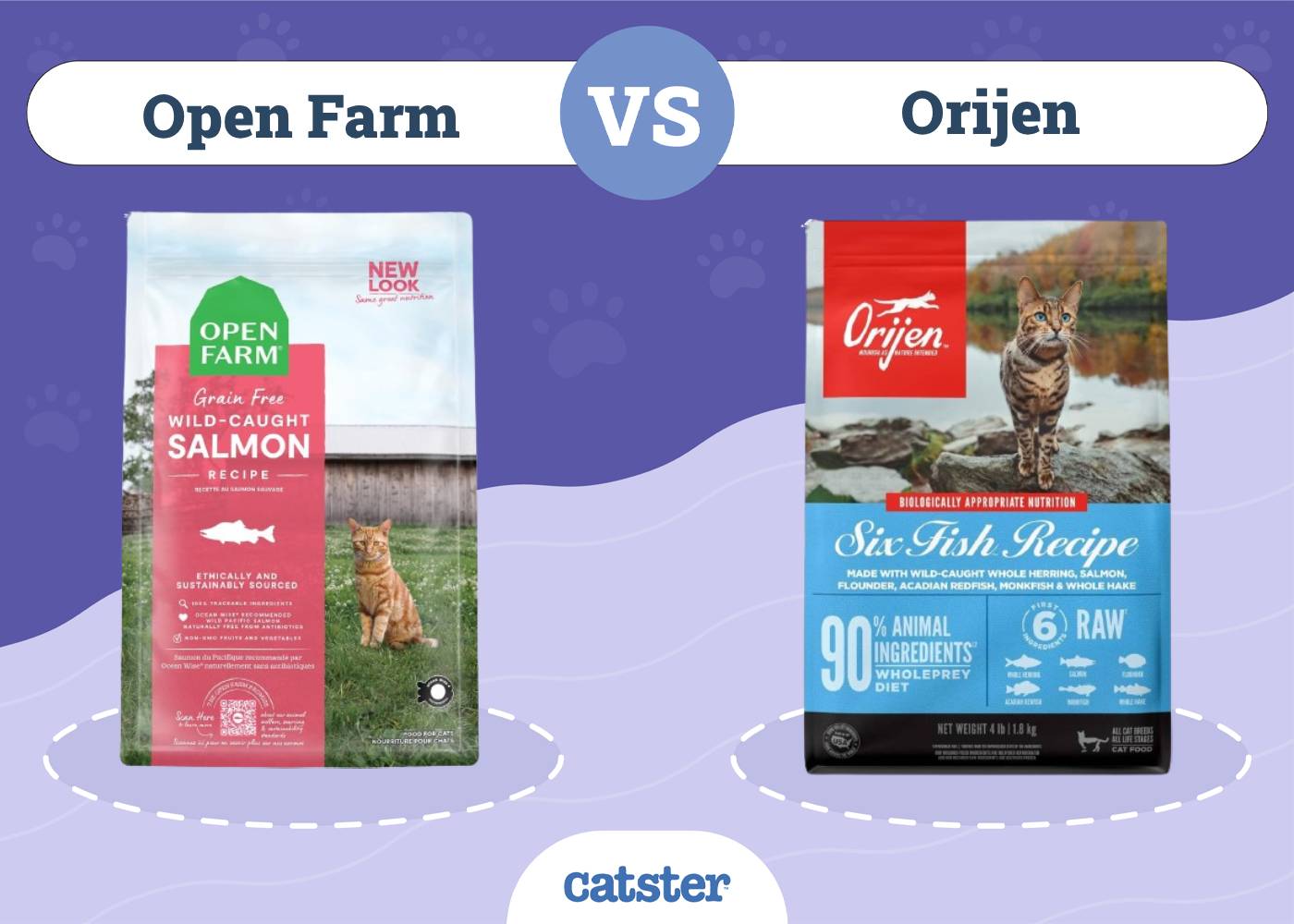
Choosing the right food for cats is a crucial decision for pet owners, with various factors influencing their choices. Open Farm emphasizes ethically sourced ingredients that are traceable, while Orijen provides a higher meat content to mimic a natural feline diet. Despite these differences, both brands share similarities in price and popularity among cat owners.
Read More
Open Farm, founded in 2014 by Jacqueline Prehogan, Isaac Langleben, and Derek Beigleman, emerged from a desire for natural, high-quality pet food. The company focuses on sourcing ingredients from farms that prioritize humane treatment of animals, allowing consumers to trace their pet food back to its origins.
In contrast, Orijen, established in 1985 by Canadian entrepreneur Reinhard Mühlenfeld, aims to nourish cats with foods reflective of their natural dietary habits. Starting with a small team, the brand has since expanded significantly, now employing over 500 individuals with manufacturing facilities in Canada and Kentucky.
Open Farm’s products are manufactured in Minnesota, although the company is based in Toronto. They ensure high safety standards through regular audits by the FDA and USDA, and all products undergo independent testing. Orijen’s production shifted in 2016, with a new facility in Kentucky augmenting their manufacturing, which still includes operations in Alberta.
Open Farm offers a limited range for cat food, with four dry food recipes: Homestead Turkey & Chicken, Wild-Caught Salmon, Catch-of-the-Season Whitefish, and Pasture-Raised Lamb. Their ingredients include humanely raised meat, wild-caught fish, and non-GMO vegetables and fruits. Each product comes with detailed ingredient sourcing information.
The wet food line consists of six options that are also made from human-grade ingredients, offering high protein content and various nutritious components. Open Farm additionally provides bone broths and supplements focused on digestive health and overall wellbeing.
Orijen's offerings are similarly limited, though they provide freeze-dried treats alongside their wet and dry foods. Their dry food includes recipes like Kitten Formula, Original Cat, and Regional Red, highlighting high protein content derived from fresh or raw meat.
The pricing of both brands is fairly similar, placing them in the mid-range category. Open Farm's products may appear pricier initially, but they come in larger serving sizes. Orijen's wet food typically costs less per unit but offers smaller portions.
Regarding customer satisfaction, Open Farm permits returns within 15 days for products purchased directly through their site, while Orijen lacks a defined return policy due to its sales model through retailers.
Customer service responsiveness is generally regarded as good for both brands, with Open Farm offering multiple communication channels and positive feedback on their support.
Comparing specific products reveals that Open Farm’s dry food contains real meat as its first ingredient and demonstrates a lower caloric count than Orijen, which contains a higher protein content.
In wet food comparisons, Open Farm’s human-grade chicken and salmon recipe offers more food per serving, giving it an advantage in quality. While both brands have their strengths, Open Farm stands out for its ingredient quality and transparency, whereas Orijen appeals to those prioritizing high protein content.
Ultimately, the choice between Open Farm and Orijen may come down to personal preferences regarding ingredient sourcing and nutritional priorities.