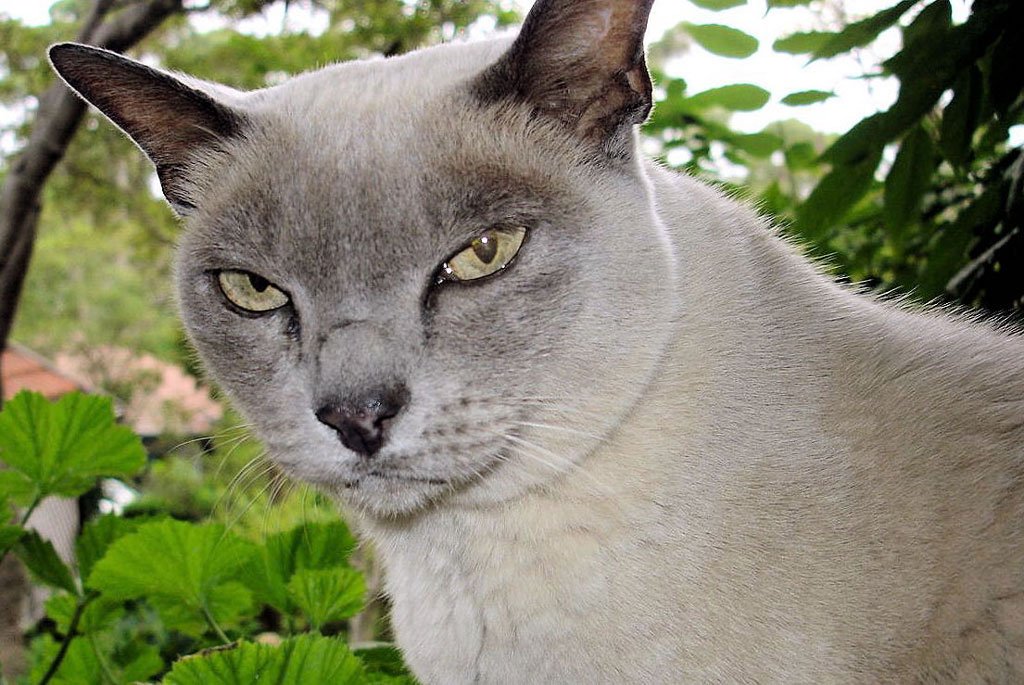
Researchers in Western Australia have identified six genes linked to a higher risk of type 2 diabetes (T2D) in Australian Burmese cats for the first time.
Read More
Professor Grant Morahan from the University of Western Australia's Centre for Diabetes Research, supported by Diabetes Research WA, reported that Australian Burmese cats are significantly more prone to developing T2D compared to other cat breeds, including American Burmese cats. He noted that these cats were bred from a limited number of founder cats imported in the 1960s, which may have inadvertently introduced a higher prevalence of T2D susceptibility genes.
The eight-year study examined the genetic makeup of over 100 Australian Burmese cats, comparing their genetic information with that of 84 American Burmese cats. The findings showed that six specific genes are more common in Australian Burmese cats with type 2 diabetes, some of which also relate to diabetes in humans.
Typically, cats develop type 2 diabetes later in life, facing health challenges similar to those encountered by humans, including inadequate insulin production, impaired insulin action, and increased vulnerability to obesity and inactivity.
Professor Morahan emphasized the serious health implications, stating that these conditions could lead to premature death. Additionally, the financial burden on pet owners due to managing the disease can be significant.
The research outcomes may allow veterinarians to arrange genetic testing for at-risk cats and collaborate with owners to implement preventative measures. This information may also assist breeders in producing cats that are less likely to develop diabetes.