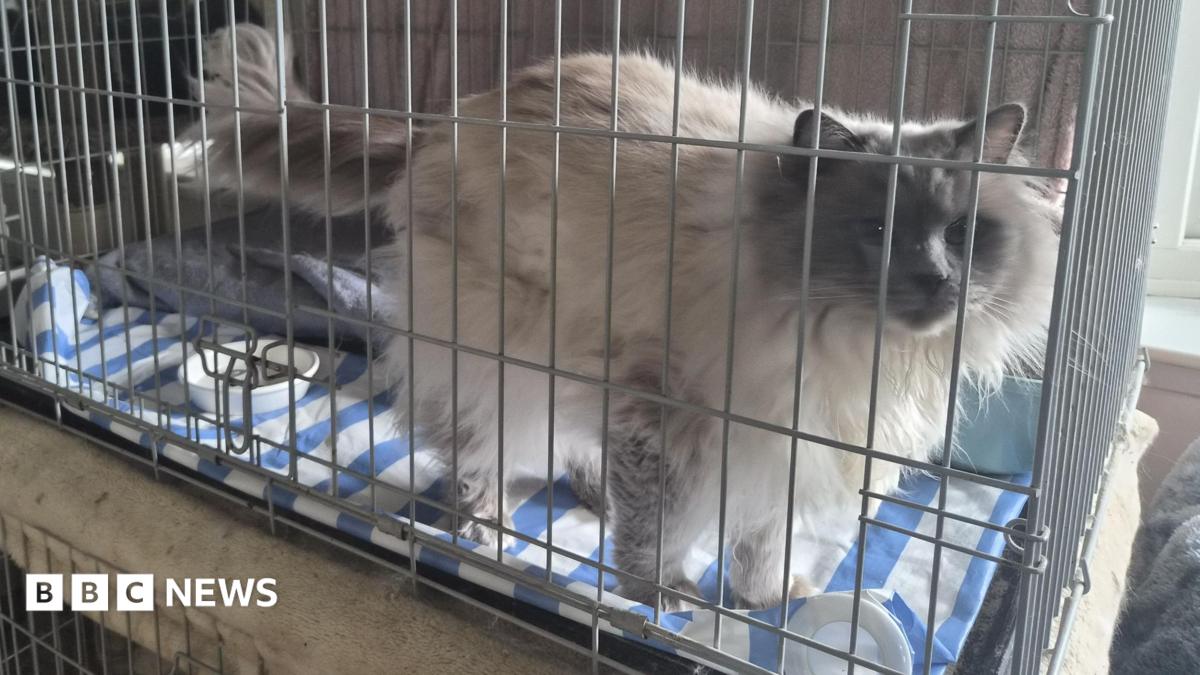
Zoey Sheffield, who operates Cat Patrol in Mapperley, Nottingham, has raised concerns that a lack of space in rescue centers could lead to the deaths of cats and kittens left on the streets. This year, Sheffield noted that her center has seen an unprecedented influx of animals, taking in 500 cats in the last six months, which is double the number from the same period in 2022. Currently, there are 200 cats on the waiting list for admission.
Read More
Sheffield attributed the increasing number of surrendered cats to the rising cost of living, stating that her center can only accept additional animals in "absolute emergency situations." A significant contributing factor is the cost of neutering, which can be prohibitive for individuals on lower incomes, leading to unneutered domestic cats mating with strays and exacerbating the issue of stray populations.
According to the charity Cats Protection, neutering costs range from £50 to £100 for male cats and between £100 and £300 for females. Sheffield is advocating for government action to reduce these costs and to make neutering mandatory for domestic cats.
In March, the Competition and Markets Authority announced plans to cap written prescription fees from vets at £21 this year, but a government spokesperson indicated it could not regulate neutering prices set by private veterinary businesses. Sheffield's center is currently looking after 212 cats and emphasizes that without intervention, many animals will continue to be at risk.
She mentioned that Cat Patrol is part of a WhatsApp group that connects cat rescues across the UK, with approximately 100 members, all facing similar challenges due to lack of space. The center's network of 70 fosterers utilizes 500 food pouches per day to feed the cats, and monthly veterinary costs run between £5,000 and £7,000, creating financial strain.
To meet these demands, Sheffield's shelter relies on adoption fees, donations, and fundraising efforts. "Every single rescue up and down the country is in the same boat," she said, expressing alarm over the financial difficulties faced by many in the animal rescue community. The Department for Environment, Food and Rural Affairs (Defra) has pointed out that while they provide resources related to cat welfare, including neutering, they cannot intervene with the costs set by private veterinary practices.