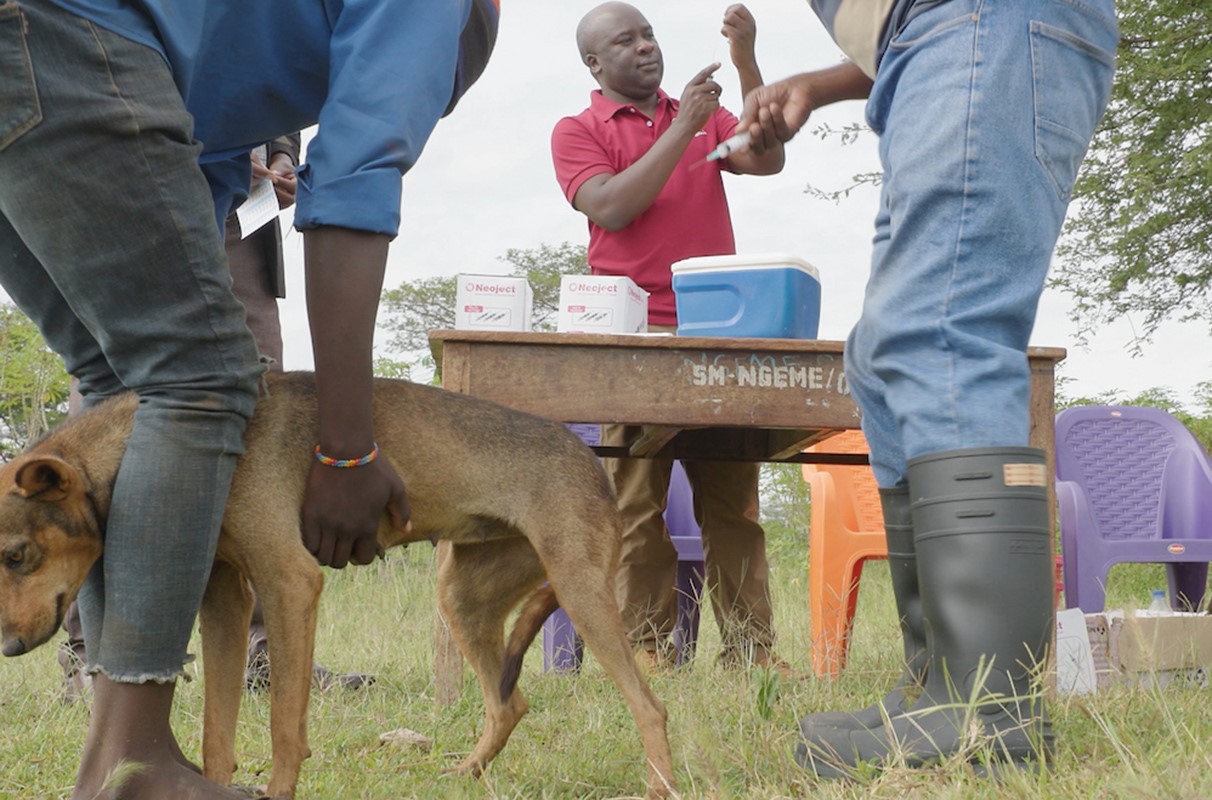
PULLMAN, Wash. – A recent study from Washington State University highlights the effectiveness of community-based dog vaccination programs in preventing rabies, thereby protecting children in Africa and beyond from this deadly disease.
Read More
Conducted over three years in rural Tanzania and funded by the National Institutes of Health, the study found that community-led vaccination initiatives were more successful in maintaining dog protection against rabies compared to the traditional annual vaccination campaigns, which typically involve outside teams. The new approach provided consistent vaccination coverage and reduced the risk of inadequate protection leading to disease transmission. The study's findings were published in the journal PLoS Neglected Tropical Diseases.
Felix Lankester, a professor at WSU's College of Veterinary Medicine and the study's senior author, emphasized that community involvement in disease control is both effective and cost-efficient. "Involving the community in implementing campaigns is a really effective way to achieve your disease control goals. With approaches like this, we have the tools to eliminate human rabies, however, it will take funding commitments and political will,” he said.
Rabies is estimated to claim about 160,000 lives annually, primarily in Africa and Asia, with over 99% of human cases stemming from bites by infected domestic dogs. This underlines the importance of widespread dog vaccination as a crucial strategy for preventing human infections.
The study contrasted traditional vaccination methods, which depend on traveling teams that administer vaccines requiring refrigeration, with the community-based model developed from earlier WSU research. This previous research demonstrated that a commonly used rabies vaccine can remain effective for up to three months when stored in specially designed clay pots, allowing communities to store and administer vaccines year-round.
Results showed that the community-based approach led to a higher number of vaccinated dogs and lower costs per vaccination. In contrast, conventional annual campaigns experienced a spike in vaccination followed by a decline as vaccinated dogs died or moved, making new unvaccinated puppies more susceptible to rabies. Researchers noted that the probability of vaccination coverage dropping below the critical herd immunity threshold was 60% with traditional methods, versus only 18% using the community approach.
Lankester highlighted that the traditional model's fluctuations often lead to insufficient vaccination rates. "With the new approach, the risk of it dipping below the critical vaccination coverage was much lower, which meant that herd immunity would be maintained,” he said.
Initiated in Tanzania's Mara region, this community effort has since expanded to other areas of northern Tanzania. Lankester expressed hope for the approach's application in other regions, though funding remains a significant challenge. He advocates for recognizing rabies control as a public health issue, with a focus on protecting children as the primary aim, stating, "The benefits to dogs are clear, but that is a secondary benefit. The primary goal is to protect children from rabies."
September 28 marks World Rabies Day, aimed at raising awareness of global efforts to eradicate the disease.