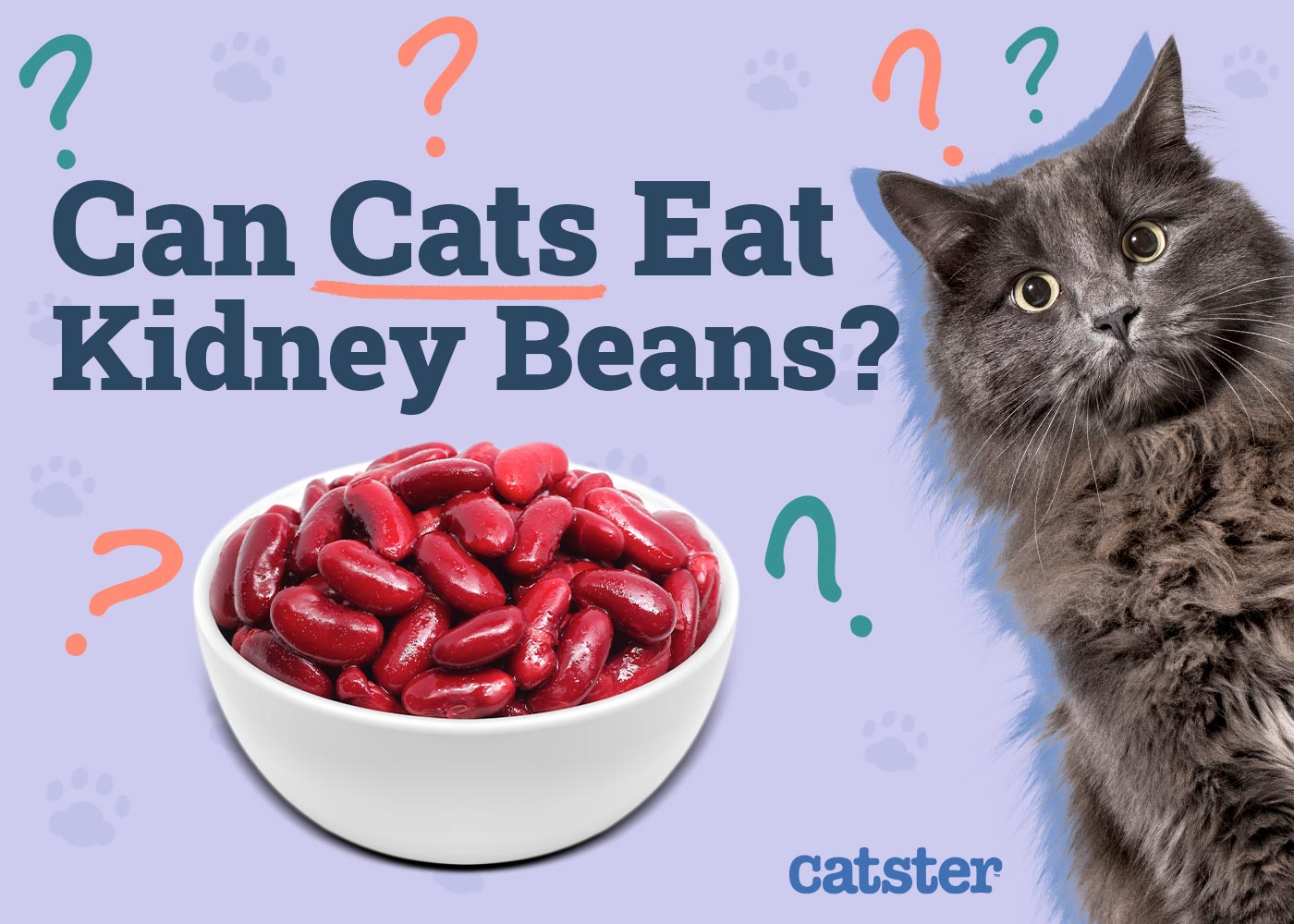
Kidney beans, known for their health benefits for humans, raise questions about their safety for cats. While cooked kidney beans are not toxic to felines and can provide some nutritional advantages, they do not form part of a cat's natural diet and may pose digestive challenges. Cats, as obligate carnivores, are better suited to digesting meats.
Read More
Kidney beans are rich in vitamins and minerals, including potassium, B vitamins, and manganese, and they provide a notable amount of fiber. These nutrients contribute to metabolic and cellular functions and can aid in digestion and weight management for cats. However, cats on a balanced diet do not require kidney beans for their nutritional needs, and excessive consumption may lead to gastrointestinal issues such as gas and bloating.
A 100-gram serving of boiled kidney beans contains more than 20 grams of protein. While this may sound beneficial, cats struggle to digest and effectively utilize plant-based protein compared to animal sources. For optimal nutrition, consulting a veterinarian about suitable protein sources for cats is advisable.
If you choose to share kidney beans with your cat, it’s crucial to do so correctly. Never give raw kidney beans, as they contain high levels of lectins, which are harmful to cats. Cooking or soaking these beans destroys active lectins, making them safe for consumption. For convenience, if using canned beans, thoroughly rinse them to remove excess salt before serving.
As an alternative to kidney beans, consider offering small pieces of plain, lean, cooked meats like chicken breast, which provide more accessible protein without unnecessary calories. Commercial cat treats are also suitable options. For further advice on cat nutrition, it's best to consult a veterinarian.
While kidney beans can offer some nutritional benefits, they are not naturally part of a cat's diet. If your cat enjoys them, a few cooked kidney beans can be given occasionally as a treat, but their main diet should consist of commercially prepared cat food that meets their dietary requirements.