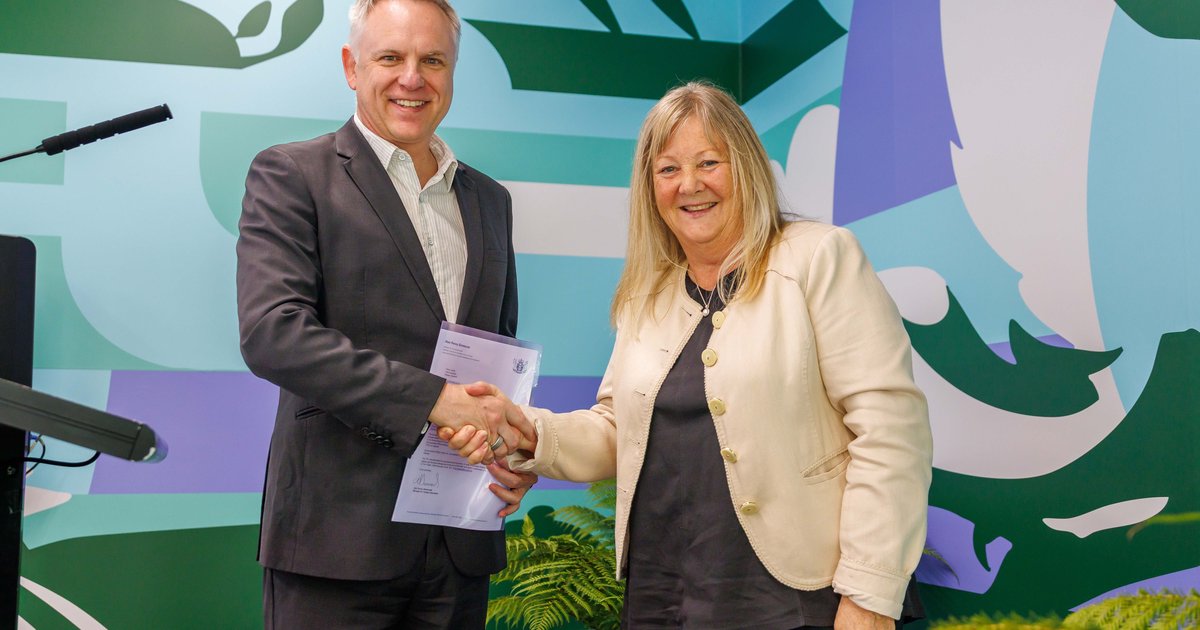
Massey University, Aotearoa New Zealand’s only veterinary school, is set to increase its veterinary training capacity following a commitment from the New Zealand Government. Minister Penny Simmonds announced that the government is providing a $6 million grant, distributed over five years, to support the expansion of domestic veterinary training.
Read More
Currently, Massey University offers 175 veterinary training places annually, with 125 allocated to domestic students and 50 to international students. Starting in 2027, the number of domestic places will rise to 140 while maintaining the overall total at 175. The government’s backing will allow for potential growth in the number of veterinary training places nationwide starting in 2030, should the need arise.
Minister Simmonds emphasized the importance of a robust veterinary workforce, stating that it plays a critical role in New Zealand’s biosecurity, animal welfare, food safety, and export sectors. Vice-Chancellor Professor Pierre Venter welcomed the financial support, highlighting that it will increase opportunities for New Zealanders to enroll in Massey’s veterinary program, ranked 14th globally and first for employer reputation.
Professor Venter noted the global shortage of veterinarians and expressed that the government’s investment acknowledges Massey’s significant contribution to New Zealand’s primary industries and rural communities. He remarked on the importance of consistent veterinary care to support the country’s strong focus on primary production.
Professor Jon Huxley, Head of the School of Veterinary Science, pointed out that the increased domestic class size would benefit students in their newly expanded facilities, including the recently opened $70 million Ngā Huia veterinary research and teaching center on the Manawatū campus. Since its establishment in 1964, veterinary science has formed a foundational part of Massey University’s scientific offerings. The university last increased its Bachelor of Veterinary Science places in 2023, allowing for 125 domestic students, with the next significant increase planned for 2030, after the graduation of the current enlarged cohort in 2029.