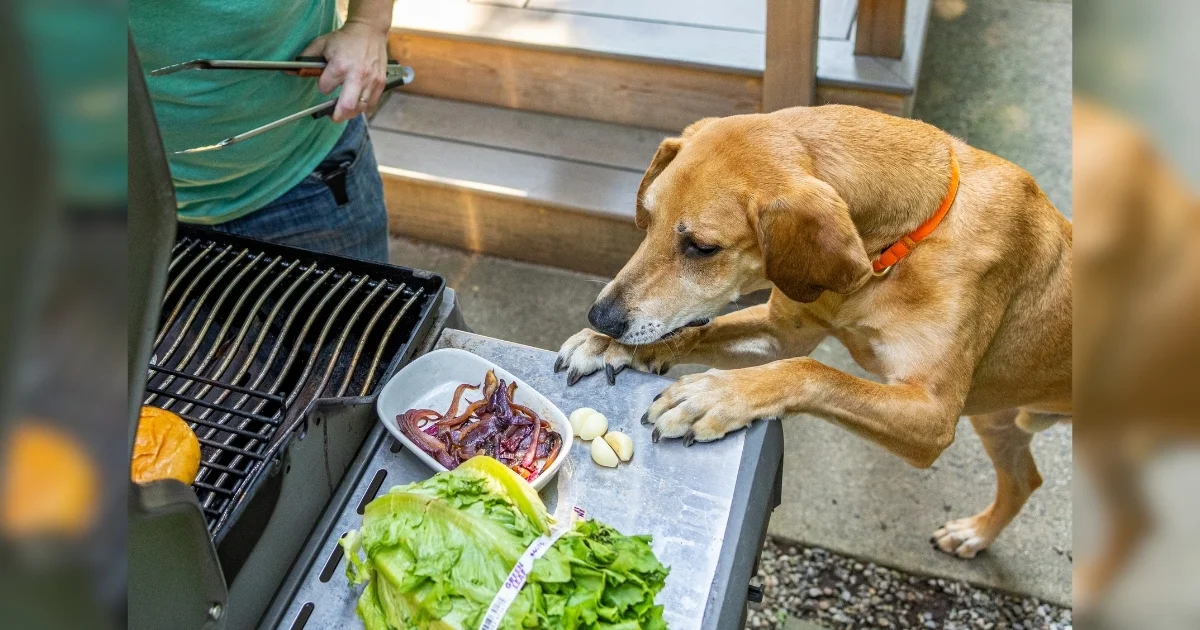
Recent outbreaks of foodborne illnesses, including cyclospora and salmonella, have led to numerous food recalls across the U.S. While these illnesses are a significant threat to humans, pet owners may wonder if their pets are at risk.
Read More
Cyclospora is a protozoal parasite that can cause digestive illness in humans, typically linked to contaminated fresh produce. While oocysts of Cyclospora cayetanensis have occasionally been found in dog feces, the parasite is not known to cause illness in pets. Furthermore, humans are unlikely to contract cyclospora from a pet, as the oocysts require one to two weeks to become infective after being shed. Maintaining good hygiene by washing hands after handling pet feces can help limit exposure.
Escherichia coli (E. coli) consists of bacteria that can cause severe illness in humans. Certain strains, such as E. coli O157, have been associated with food recalls, including a recent one concerning frozen blueberries. Pets, particularly those with compromised immune systems, can become infected by ingesting contaminated food or feces. Although there is a minimal risk of transmission from pets to humans, it is vital to practice good hygiene after engaging with pets.
Animals infected with E. coli may show symptoms like lethargy, diarrhea, vomiting, and dehydration. If your pet exhibits these symptoms, especially after consuming recalled products, it's important to consult a veterinarian.
Salmonella bacteria are frequently associated with foodborne illnesses. Recent salmonella outbreaks have been linked to eggs and jalapeño peppers. Pets can contract salmonella through contaminated food or by ingesting feces from infected animals. While most pets remain asymptomatic, young or immunocompromised pets are at a higher risk of developing illness, potentially presenting with lethargy, diarrhea, fever, and vomiting.
To reduce the risk of salmonella, pet owners should check for damage to pet food packaging, wash food and water bowls regularly, and promptly refrigerate or discard leftovers. It's also crucial to wash hands thoroughly before and after handling raw meat or eggs.
If there is reason to believe that a pet has ingested contaminated food or is showing signs of illness, it's essential to seek immediate veterinary care, which may include contacting ASPCA Poison Control at (888)-426-4435 for further guidance.