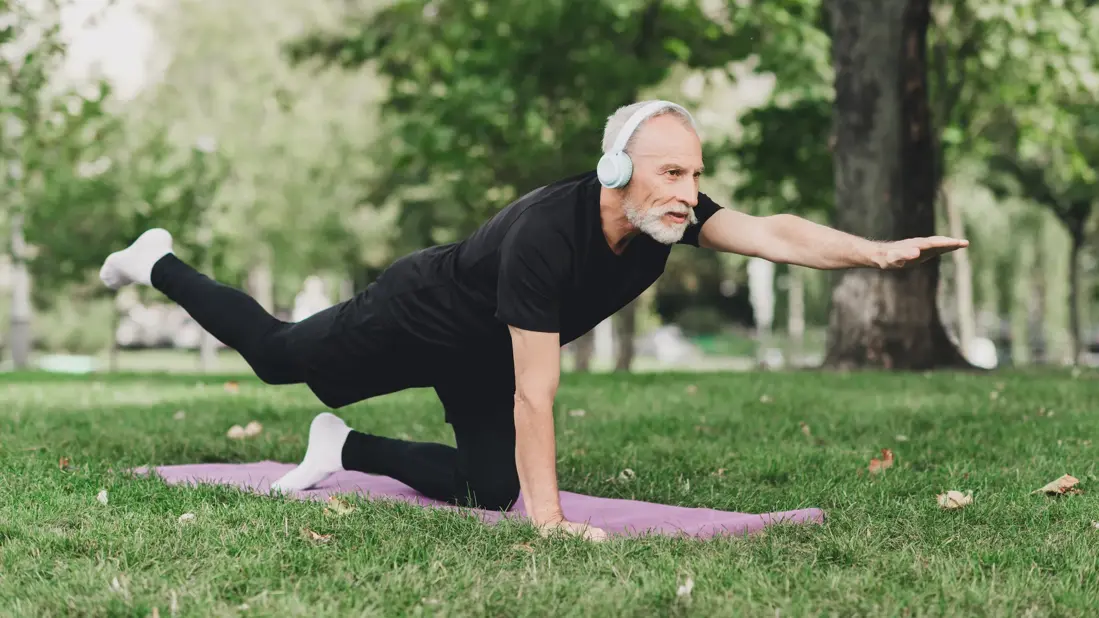
Exercise plays a critical role in managing symptoms of Parkinson’s disease, aiding in the maintenance of independence. Research indicates that combining medication with Parkinson's-specific exercises is the most effective approach to slowing disease progression. Regular physical activity can enhance walking, balance, and strength, and may provide neuroprotective benefits for the brain.
Read More
Neurologic physical therapist Amy Chan, PT, DPT, NCS, emphasizes the importance of exercise due to Parkinson's-induced dopamine decline, which impairs smooth and coordinated movements. As motor symptoms such as stiffness, slower movement, poor posture, and balance issues become more pronounced, moderate to high-intensity exercise can boost dopamine levels in the nervous system. Dr. Chan notes that exercise can also alleviate non-motor symptoms such as depression, sleep disturbances, and cognitive challenges, all of which significantly impact quality of life.
Research shows that engaging in moderate to vigorous exercise may help the brain adapt and forge new connections. Dr. Chan points out that consistent exercise could potentially slow the progression of Parkinson's disease, with early intervention preserving more brain cells.
For individuals with Parkinson's, a comprehensive exercise routine should incorporate four primary categories:
1. **Aerobic exercises**: Activities like brisk walking, cycling, swimming, and rowing can lead to changes in brain function.
2. **Strength training**: Weightlifting and functional exercises help maintain muscle mass. Dr. Chan warns that neglecting to use muscles can lead to weakness.
3. **Flexibility exercises**: Stretching routines can mitigate muscle rigidity and improve posture and lung function, helping to prevent complications like pneumonia.
4. **Balance and agility training**: Engaging in exercises such as yoga, tai chi, and boxing can enhance balance and reduce the risk of falls, which is a concern for those with Parkinson's.
Dr. Chan stresses that having a safe and consistent exercise routine is crucial. She suggests that if individuals are unsure where to start, a physical therapist can design a tailored exercise plan that includes aerobic activities and functional movements. Recommended exercises include:
- **Trunk Twists**: These improve flexibility and strengthen muscles crucial for maintaining a straight posture. Begin in a T-shape with arms extended and twist your torso.
- **Sit-to-Stands**: This targets abdominal and back strength, essential for daily activities. From a seated position, hinge forward and use your legs to stand up, then sit back down.
- **Standing Squats**: Squats strengthen core, back, glutes, and hamstrings, important for various movements. Stand and squat while reaching your arms forward, then squeeze shoulder blades as you stand up.
- **Bird Dogs**: This exercise focuses on core and hip strength. Begin on all fours and extend opposite limbs, holding the position for stability.
- **Planks**: This overall core workout supports posture and mobility. Hold a plank for 20 seconds, engaging your core muscles.
To optimize the benefits of exercise, Dr. Chan recommends consistent routines tailored to individual strengths and preferences. Tips for exercising with Parkinson's include:
- **Timing**: Exercise when symptoms are mild, usually after taking medication.
- **Frequency**: Aim for 150 minutes of aerobic activity weekly, starting small if necessary.
- **Hydration**: Stay hydrated to avoid dizziness and falls.
- **Warm-up and Cool-down**: Gradual movements can prevent dizziness.
- **Exercise Partner**: Working out with someone can provide motivation and social support.
- **Enjoyable Activities**: Choose exercises you enjoy to elevate dopamine levels.
Starting a fitness routine early is essential; preserving strength and muscle is crucial. Dr. Chan advises that everyone with Parkinson's should have a physical therapy evaluation to learn safe exercise techniques.