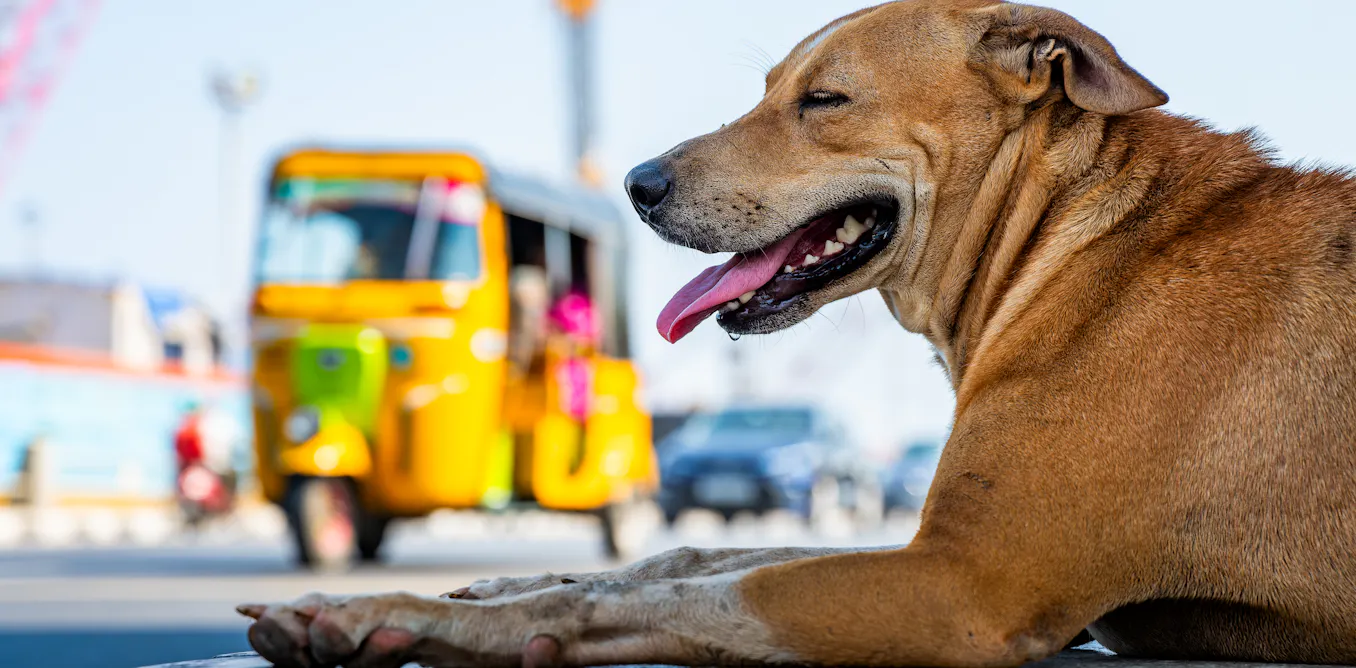
Pet dogs receive shelter, veterinary care, love, training, and engaging playtime. Owners dictate their pets' eating schedules, sleeping arrangements, outdoor access, social interactions, and mobility. While this approach stems from affection and a desire for safety, it can also lead to confinement, restricted mobility, limited social choices, and constant oversight.
Read More
Separation anxiety is increasingly recognized, with diagnoses of dog behavioral issues in the U.S. rising tenfold between 2010 and 2020. As a result, numerous specialists have emerged to aid dogs struggling with the stresses of modern life.
Despite the belief that dogs have become dependent on humans through domestication, the reality is that many dogs worldwide live freely without ownership. This raises questions about what constitutes a fulfilling life for dogs. A recent study involved 45 Western-trained dog behavior specialists who traveled to India to observe free-living street dogs, revealing the inherent tension between love for dogs and the need to control their lives.
India is home to approximately 60 million street dogs that coexist with humans but are not owned. These dogs navigate urban environments, scavenging for food or receiving leftovers from people. The specialists, seasoned in addressing problem behaviors in pet dogs, challenged their perceptions of dog welfare through direct interaction with street dogs.
Expectations varied; while some anticipated seeing resilient dogs enjoying freedom, many assumed the street dogs endured hardships, living in conflict or poor health. Their observations highlighted the misconception that dog safety and welfare rely solely on human supervision.
The specialists found the street dogs to be socially adept and physically strong. These dogs confidently traversed busy streets and handled conflicts without resorting to aggression. They appeared calm and settled amidst urban chaos, contrasting with many pet dogs that often become agitated over minor disturbances.
The study cautioned against oversimplifying the difference between street dogs and pet dogs. While street dogs face serious risks such as disease, injury, and human hostility, pet dogs typically enjoy more protection and stability. However, pet dogs often experience restricted movement, being kept indoors, on leashes, or in crates, leading to a highly structured environment.
When behavioral problems arise, such as anxiety or poor impulse control, it is easy for owners to attribute these issues to the dog itself. However, dog behavior is relational and arises from the interaction between dogs and their owners.
As the professionals traveled through various cities, they began reevaluating their definitions of dog welfare. They questioned whether confinement and obedience truly equate to good care. One specialist wondered if restrictions imposed on dogs might limit their behavioral diversity, potentially leading to stress.
Participants recognized that while pet dogs do not face the same survival challenges as street dogs, they are not immune to behavioral problems like aggression. Responding to such behaviors typically involves increased restriction and control.
The experiences inspired participants to reframe their understanding of autonomy for pet dogs. Many left India with a changed perspective, pondering not how street dogs survive without constant human intervention, but how pet dogs cope with their owners' management. Observing street dogs, they reflected on the range of skills required for survival, suggesting pet dogs might benefit from greater freedom to make choices.
One participant posed a crucial question: what would happen if dog owners allowed their pets more control over their lives? Granting dogs agency could foster their adaptability and social skills, potentially alleviating behavioral issues.