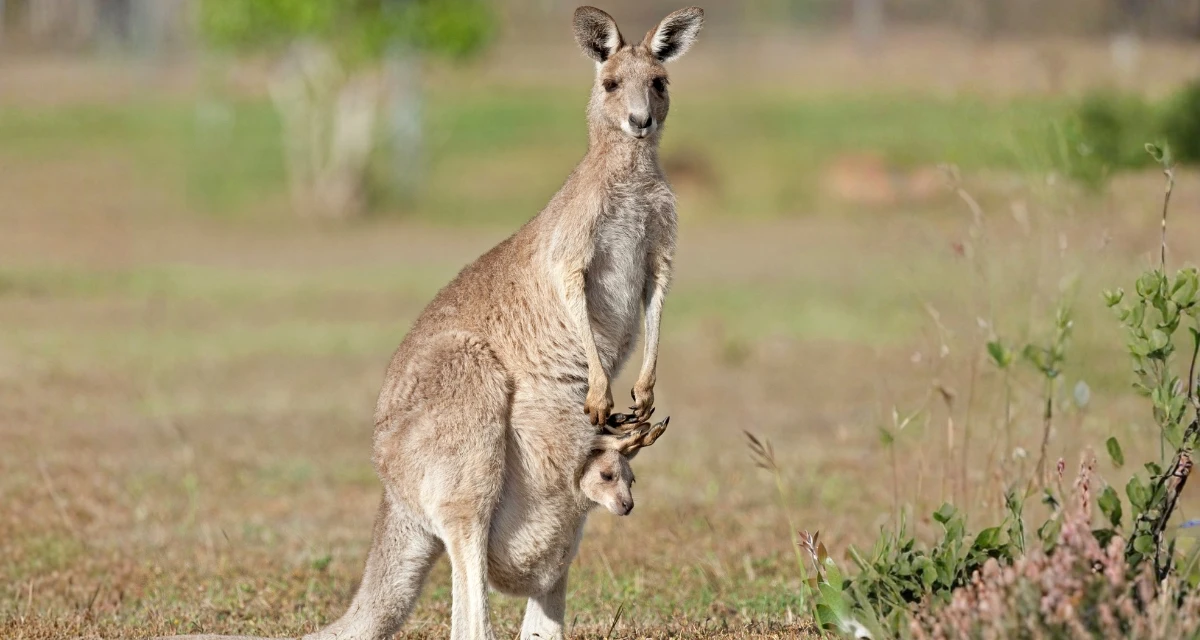
An investigation into the kangaroo bushmeat trade has revealed serious food safety concerns, highlighting how wild kangaroos are shot at night in Australia, processed under unsanitary conditions, and exported without adequate inspection. This meat, which is not checked by the U.S. Food and Drug Administration upon import, is sold in restaurants and as pet food.
Read More
According to Australian government records, even when domestic food safety standards are violated, contaminated kangaroo meat is still approved for export. A report from the Center for a Humane Economy, titled “Australia’s Global Bushmeat Trade: A Report on the Commercial Kangaroo Meat Industry: Economics, Food Safety, and Animal Welfare Failures,” reveals these issues. This report is the culmination of nine months of research by a multidisciplinary team, including scientists, veterinarians, and legal experts.
In 2025, kangaroo meat samples from an export-approved facility exceeded bacterial contamination limits set by the European Union. One sample recorded 340,000 colony-forming units of live bacteria per square centimeter, over ten times the allowable limit. Other contaminated meat was downgraded and sold in Australia, including for pet food. The report discusses potential pathogens found in kangaroo meat, such as Salmonella and dangerous strains of E. coli, noting that research estimates approximately half of kangaroo carcasses may carry Salmonella.
Kangaroo carcasses are often processed outdoors in harsh conditions and transported in unrefrigerated trucks, increasing the risk of contamination. The use of lead ammunition by commercial shooters contributes further to health risks, as an estimated 1.4 metric tons of lead is introduced into the environment each year. This lead can poison both wildlife and domestic pets consuming the meat, as there is no effective method to remove lead fragments from kangaroo meat products. The U.S. Centers for Disease Control and Prevention warns that no level of lead ingestion is considered safe, as it can severely damage various organ systems.
Moreover, the kangaroo meat industry has developed ties with Australia’s greyhound racing sector, which has become a significant customer for kangaroo meat as foreign markets decline. Ray Borda, managing director of Macro Group Australia, is a notable figure in both industries.
Kangaroo meat exports from Australia totaled approximately $10.9 million in 2025, a minuscule fraction of the country’s agricultural economy, reflecting a decline of about 86% since peak exports in the early 2000s. Nations like Russia and China have restricted imports due to food safety and animal welfare concerns.
The investigation finds that Belgians now comprise over 30% of kangaroo meat imports, and recent reports of illegal sales, such as kangaroo burgers in California, only underscore the ongoing issues. The Center for a Humane Economy, which previously advocated against using kangaroo skins in apparel, has noted the plummeting prices of kangaroo skins and the decline of ethical sourcing in manufacturing.
Despite the diminishing market for kangaroo meat, slaughter rates remain high, resulting in significant suffering to the animals as many are shot at night, leaving dependent young to perish afterward. The report calls for regulatory action to declare kangaroo meat unfit for consumption in the U.S., Canada, and the EU and urges Belgium and Vietnam to reconsider their trade practices.
The documented ethical and food safety concerns regarding kangaroo bushmeat present a compelling case for halting this trade.