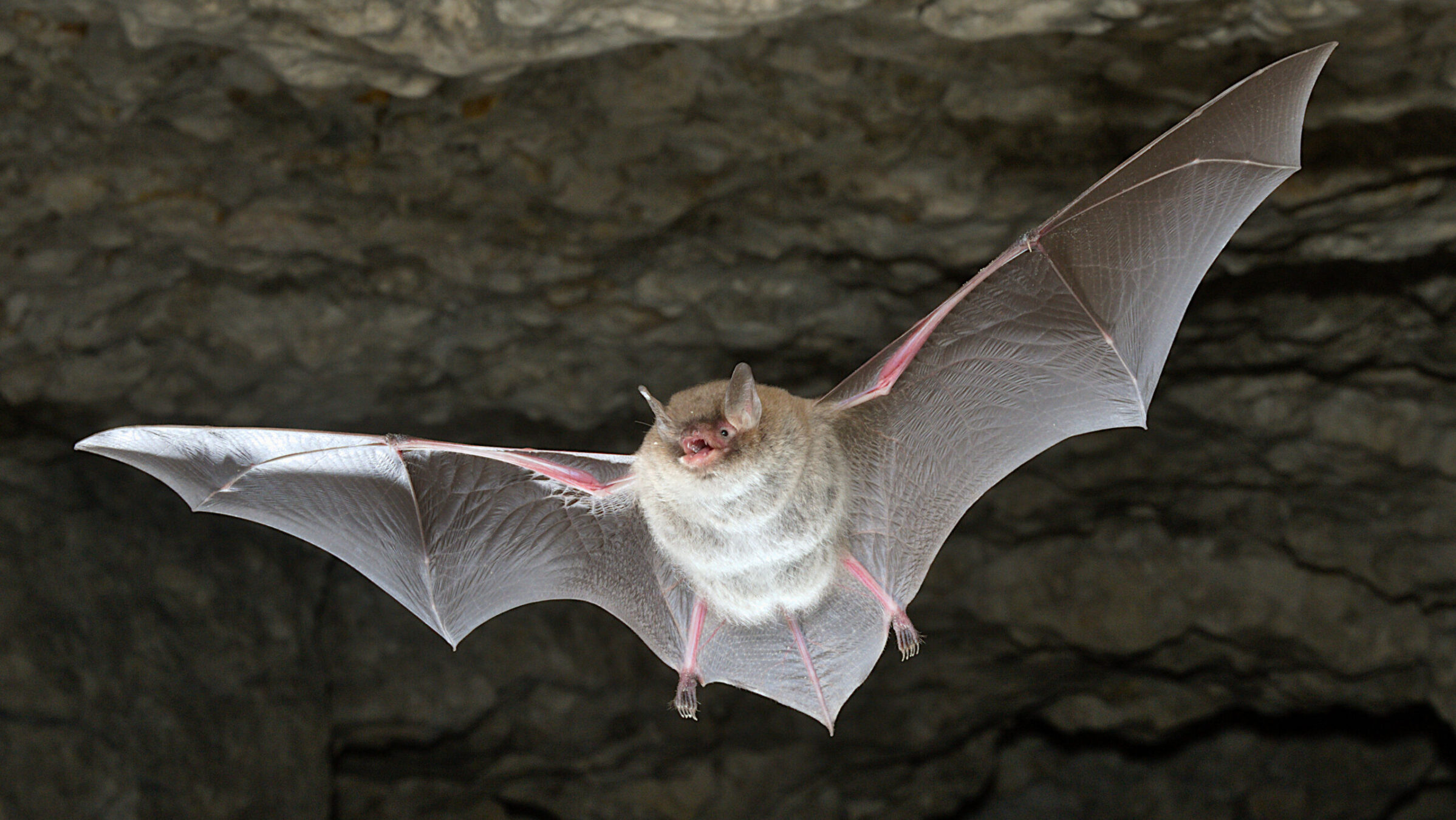
An international study has advanced our understanding of bat evolution, shedding light on how these mammals developed powered flight, echolocation, and other unique traits. The research is part of a global initiative, Bat1K, aimed at producing high-quality genome sequences for all living bat species.
Read More
The findings, published in Nature and involving the Texas A&M College of Veterinary Medicine and Biomedical Sciences (VMBS), utilized a specific region of the X chromosome identified as a genetic "time capsule." Researchers analyzed genome sequences from 103 bat species across 21 families and integrated this genomic data with a comprehensive morphological dataset of both living and extinct bats. This analysis enabled the creation of a new bat family tree and clarified their geographic origins.
Dr. Nicole Foley, an assistant professor in VMBS, noted that this study serves as a foundation for future research, providing significant insights into the evolutionary history of bats, including when their key characteristics first appeared.
Historically, determining bat familial relationships has been challenging. Previous studies used limited species samples and fragmented genomes, leading to uncertainty due to rapid evolution and interbreeding. The Bat1K team addressed these complications by combining high-quality genomes with anatomical data and 44 fossils, resolving several debated relationships among bat families. Notably, they found that powered flight likely originated in Europe during the late Paleocene, over 56 million years ago, and that laryngeal echolocation may have developed before the diversification of modern bats.
Some evolutionary connections remained complex due to phylogenomic discordance, which occurs when different genome regions suggest conflicting histories. To tackle this, Foley and Dr. William Murphy from VMBS leaned on insights from the X-linked recombination desert (XLRD), a part of the X chromosome characterized by low genetic exchange, which helps preserve long-term evolutionary signals.
The results indicated that while most genomes supported one evolutionary narrative, the XLRD aligned with another; eventually, a hybrid family tree combining genomic and fossil evidence confirmed the XLRD's findings, strengthening their evolutionary narrative.
The results of this comprehensive bat study will benefit research on a wider range of topics beyond evolutionary history. For instance, they may offer insights into bats' long life spans, viral tolerance, and adaptation to high-sugar diets. Foley expressed particular interest in how bats’ genetic traits could inform research on diabetes and viral resistance.
The Bat1K consortium's ultimate goal is to generate reference-quality genomes for each bat species, facilitating deeper understanding of bat traits and broader mammalian evolution. Foley emphasized the importance of changing public perception of bats, which are often misrepresented due to associations with rabies. She hopes this study enhances the appreciation for bats and their remarkable biological adaptations.