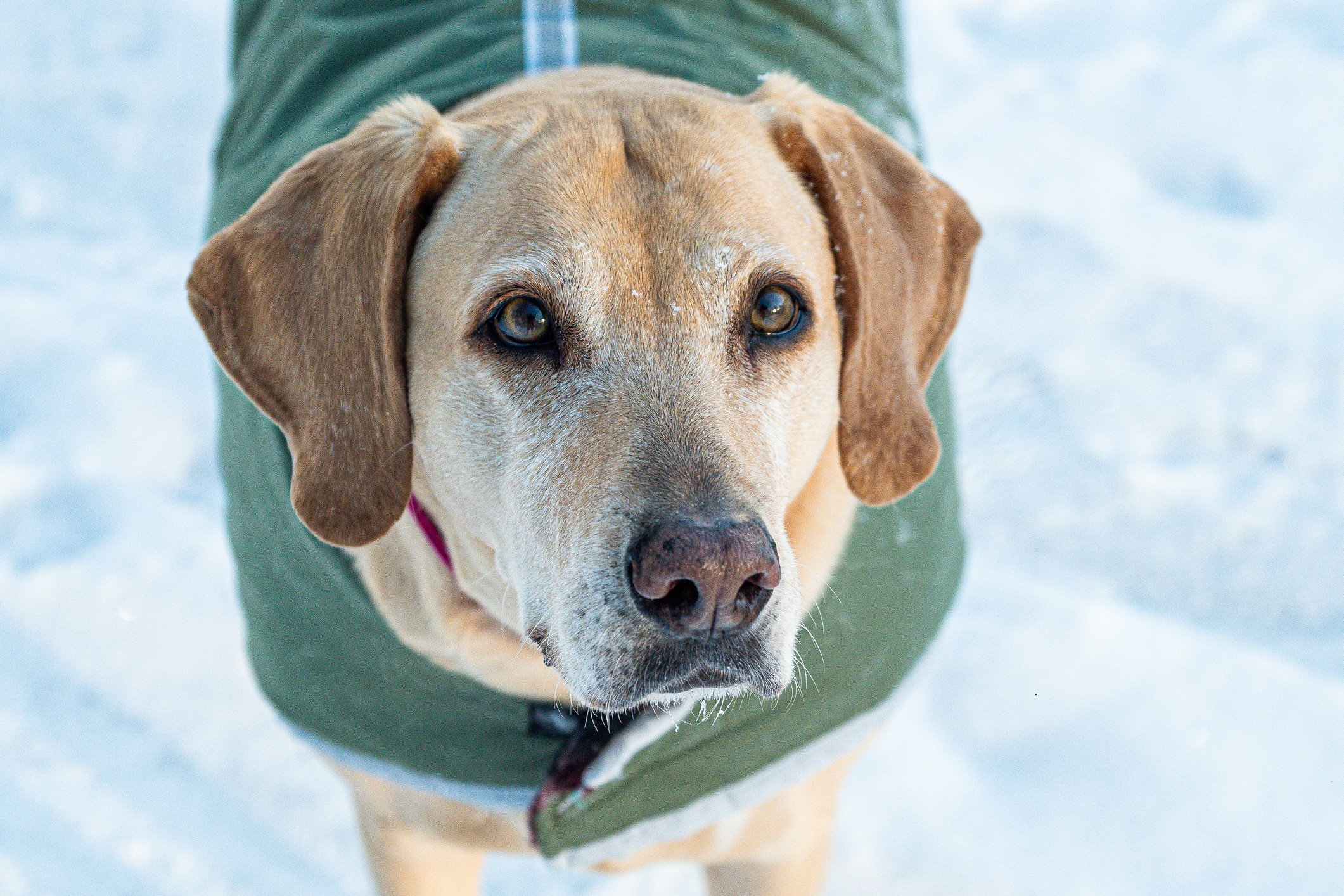
As winter approaches, ensuring the health and comfort of senior dogs becomes crucial. Cold weather can pose significant challenges for these pets due to their slower metabolisms and less effective body temperature regulation.
Read More
Senior dogs can lose heat quickly, making it vital to provide them with insulated jackets for outdoor activities and comfortable bedding indoors. Their paws and noses can become dry and cracked in cold weather, so it’s important to use paw balm and booties to protect them.
Even temperatures as mild as 45°F can be too cold for some senior dogs. Signs that a dog may be too cold include shivering, tucking their tail, or lifting their paws. During winter months, consider limiting outdoor time, confining walks to warmer parts of the day. If your dog takes fewer bathroom breaks, having pee pads indoors can help.
Joint stiffness can also be exacerbated in colder weather, so joint supplements might be beneficial, but it is important to consult with a veterinarian before starting any new supplements.
Routine veterinary checkups are essential for senior dogs, as they may have weaker immune systems. Ensuring vaccinations are up to date, including those for kennel cough, canine distemper, and influenza, is particularly important during winter months when dogs may interact more closely with others indoors.
In colder weather, always remember that if it feels too cold for you, it is likely too cold for your dog. All senior dogs should be equipped with appropriate winter gear, including insulated jackets and protective booties, to maintain their health and comfort during the season.