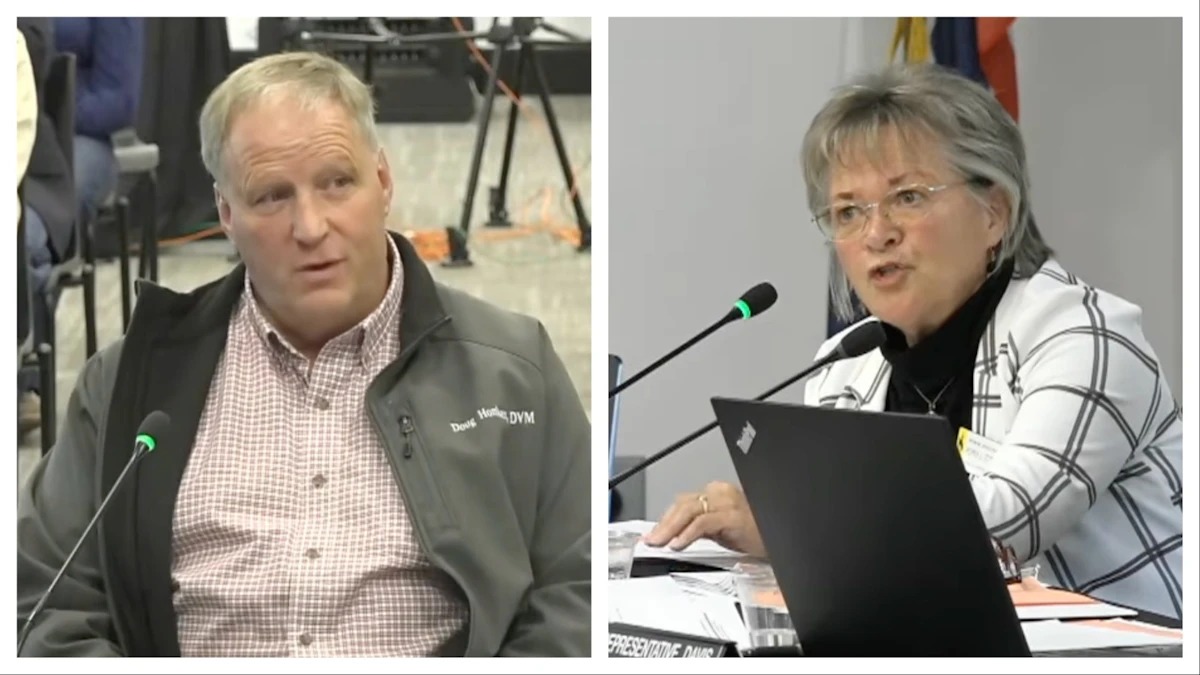
On Tuesday, Wyoming legislators voted against a bill that would have permitted non-veterinarians to perform pregnancy checks on livestock. The measure was defeated by an 8-5 vote during a meeting of the Joint Agriculture Committee in Sheridan, following an emotional discussion involving veterinarians and ranchers.
Read More
Currently, practicing veterinary medicine without a license is illegal in Wyoming, with penalties including up to six months in jail and fines up to $750, except for specific exemptions. The proposed bill aimed to add non-veterinarian pregnancy checks to these exemptions but did not introduce any certification for lay practitioners.
Supporters of the bill, including Rep. Pepper Ottman, R-Riverton, argued that non-veterinarians could help alleviate the shortage of rural veterinarians, suggesting that allowing more individuals to perform pregnancy checks would not adversely affect the existing veterinary market. "What is the problem with someone wanting to get trained, and be in the open market, in this procedure?" Ottman asked during the debate.
Veterinarians, however, expressed strong opposition to the bill. Dr. Doug Honken from Laramie warned that the legislation posed a threat to the livelihood of rural veterinarians, which could lead to a decline in available veterinary services during emergencies. "You will cut their throat and you will never get another large animal veterinarian to come to the state of Wyoming," Honken stated.
The debate also highlighted concerns regarding the quality of care non-veterinarians could provide. Critics pointed out that laypersons may overlook serious health issues that veterinarians are trained to identify.
Committee Co-Chair Sen. Bob Ide, R-Casper, argued for less regulation, suggesting that allowing more practitioners could create a more competitive market.
Rancher Katalina Pfeil testified about her difficulties in scheduling veterinary appointments, suggesting that allowing more people to conduct pregnancy checks could help ranchers manage their herds more effectively. Conversely, Jackie Benton, another rancher, expressed concern that such a shift could exacerbate the shortage of veterinarians in the state.
Although some ranchers expressed a desire for more options in pregnancy testing, others warned that deregulation could threaten the sustainability of current veterinary practices. As discussions around potential amendments to the bill unfolded, no compromises were reached, leading to the bill's eventual defeat.