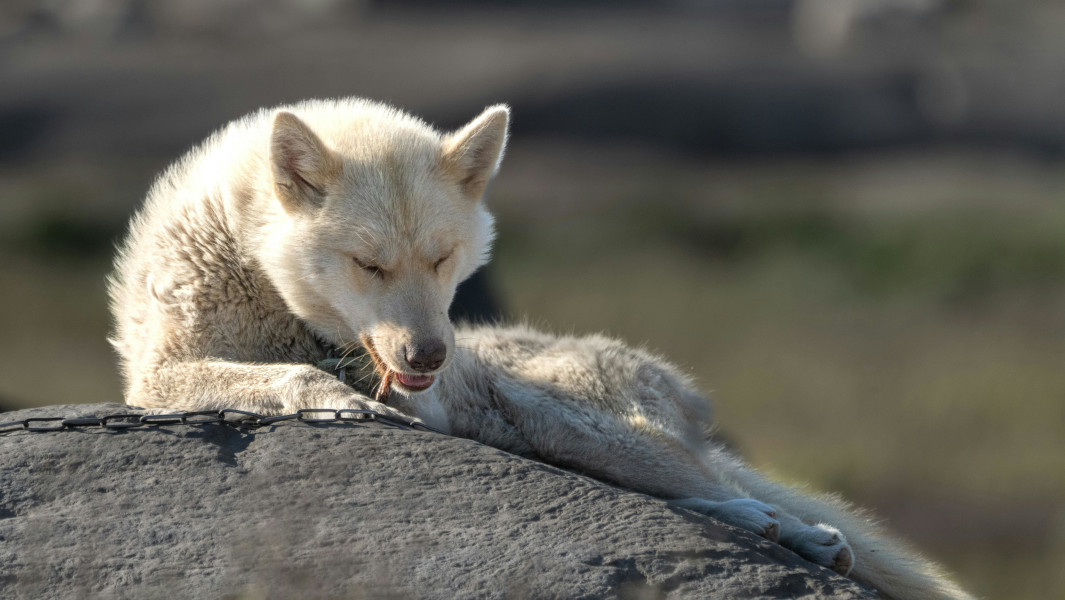
New research led by Dr. Mikkel-Holger Strander Sinding has shed light on the long-standing relationship between humans and dogs, indicating that domesticated dogs could date back much further than previously thought. The study focused on a dog from the Zhokhov archaeological site in Siberia, which is approximately 9,500 years old, offering insights into the early domestication of dogs.
Read More
Traditionally, scientists have understood that modern dogs descended from Eurasian wolves, but the timeline and specific origins have remained unclear. Dr. Sinding's team sequenced the genome of the ancient Siberian dog, discovering that it shares a lineage with today’s sled dogs, including the recently confirmed oldest dog breed: the Greenland sled dog.
According to National Geographic, the lineage of sled dogs diverged from other dog breeds around 9,500 years ago. Sled dogs, which include various types of huskies and malamutes, have deep historical ties to the Arctic, particularly with Inuit culture. The Greenland sled dog evolved from dogs brought by the Inuit as they migrated from Siberia about 1,000 years ago.
Dr. Sinding explained that their analysis of the genomes of Greenland sled dogs reveals they underwent a population bottleneck approximately 900 years ago, correlating with their immigration to Greenland. These modern dogs maintain a closer genetic relationship to the ancient sled dog than do their more diluted cousins, the Siberian husky and Alaskan malamute.
The research also highlighted the Greenland sled dog’s adaptations to Arctic conditions, including the ability to thrive on a high-fat diet, a trait shared with the Inuit and Thule peoples, who depended on these animals for hunting and survival in the harsh environment. Dr. Sinding noted similarities between the sled dogs' genetic adaptations and those of polar bears, which are specialized for consuming blubber.
Additional findings revealed that sled dogs have not interbred with gray wolves for over 9,500 years, contrasting with other dog breeds that have documented wolf ancestry. This suggests that either hybrids did not thrive or humans did not embrace such pairings.
The implications of these findings extend beyond canine history, offering insights into how early cultures may have explored their environment and adapted to agricultural pursuits. Other ancient dog breeds, such as the basenji, Akita Inu, and saluki, also have rich historical significance, dating back thousands of years.