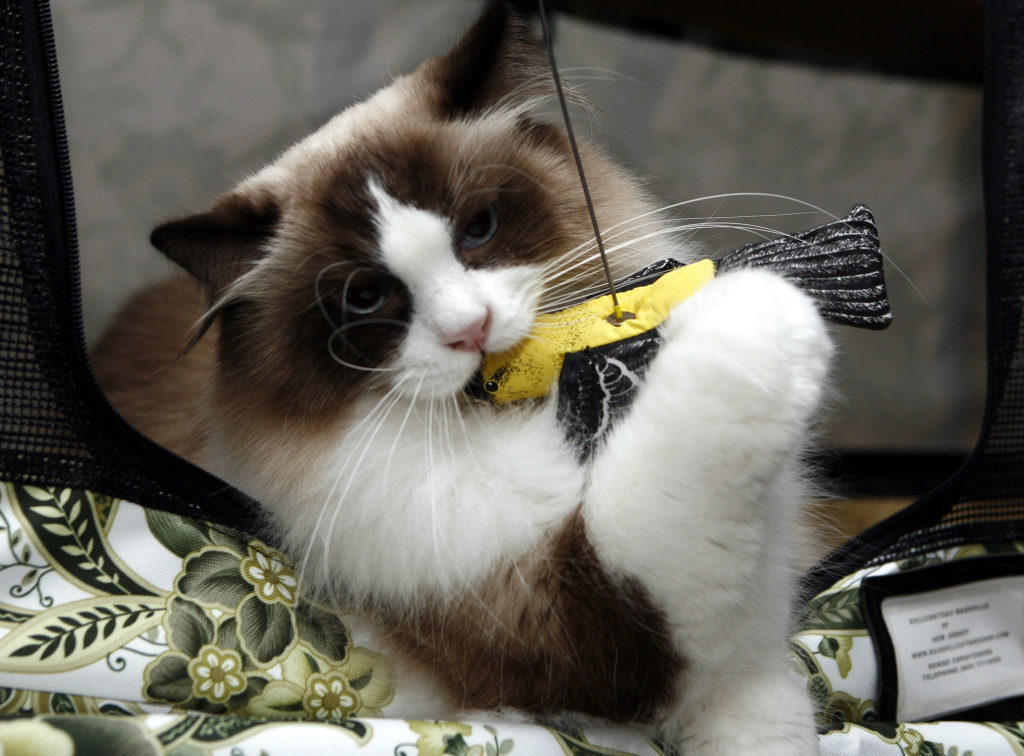
A recent study found that over 40 percent of surveyed cats engage in fetching behavior, a significant number compared to almost 80 percent of dogs. This finding highlights the predatory and social instincts shared by both species, despite their different play styles.
Read More
Cats and dogs have unique histories and natural behaviors; however, they both live closely with humans and can form strong social bonds. Previous research from British scientists, published in 2023, noted that cats often fetch a variety of items, including toys, paper balls, and even household objects like pens and shoes. Many of these cats demonstrated the fetching behavior spontaneously, without prior training, and tended to initiate the games themselves.
This has raised questions about the characteristics that might influence fetching behavior in cats. Whereas fetching is common in dog-human interactions and often linked to hunting assistance roles, research on this behavior in dogs is surprisingly limited. To address this gap, a team led by University of Pennsylvania researcher James Serpell developed survey tools to assess both dog and cat behavior, including fetching tendencies.
Analysis of the data from thousands of pet owners revealed that fetching is more common than initially thought among cats, with over 40 percent of owners reporting their cats as fetchers. Surprisingly, nearly 78 percent of dogs were also found to engage in fetching. Factors such as being male tended to correlate with increased fetching in both species, while older animals and those with health issues were less likely to fetch. Interestingly, cats or dogs living with a dog were less likely to engage in fetching.
In terms of breed, certain dog breeds, such as Labrador retrievers and golden retrievers, showed a higher propensity for fetching. Conversely, breeds like hounds and livestock guardian dogs were less inclined to participate in the game. While cats have fewer distinct breeds, Siamese and Bengal cats were more likely to fetch.
The study concluded that fetching behavior may originate from the hunting practices of both species. Cats are stalk-and-rush hunters, while dogs typically chase prey over distances. The behavior may be influenced by how domestic breeds have evolved, particularly in dogs bred for retrieving tasks.
Recent findings suggest that cats, previously considered aloof, can form attachments to humans and respond to social cues, reinforcing the idea that cats are capable of meaningful relationships with their human companions. The shared behavior of fetching in both cats and dogs illustrates the importance of human-animal interactions, further highlighting the complex relationships that exist between pets and their owners.