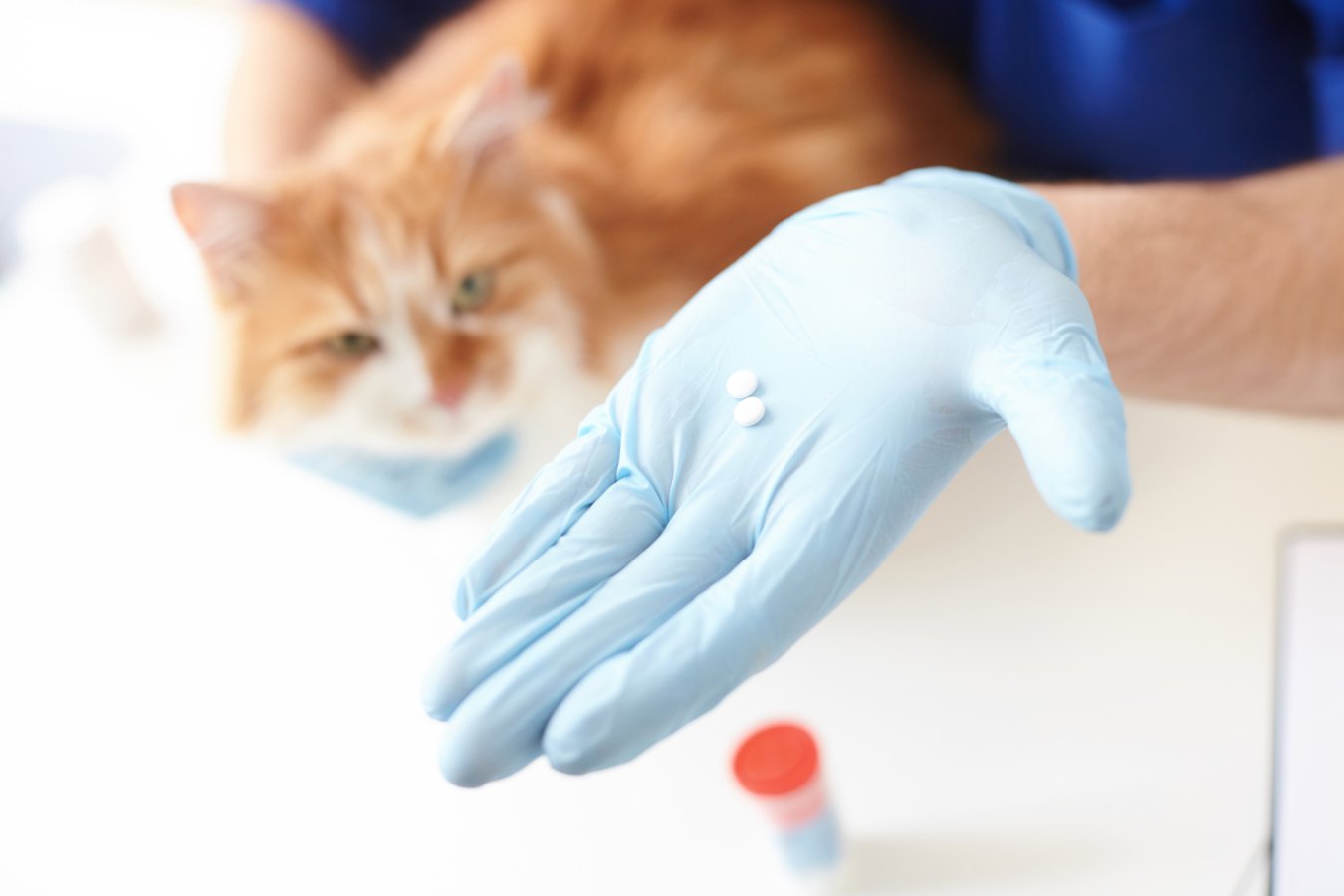
A report by the Environment and Climate Change Committee of the UK’s House of Lords is urging restrictions on the sale of flea and tick treatments for pets, recommending that these products only be available following consultation with a veterinarian, pharmacist, or qualified pet shop staff.
Read More
The report highlights a lack of rigorous assessment regarding the safety of these treatments for both human health and wildlife. It points to the finding that potent pesticides from these products are entering UK waterways at harmful levels, affecting local wildlife, and breaking down into even more dangerous substances.
The report expresses serious concerns regarding the influence of the industry on regulators, stating that both UK and international regulators appear too closely aligned with industry views. Rosemary Perkins from Imperial College London, who contributed to the committee's evidence, emphasized that historically there has been an assumption that veterinary medicines for non-food animals pose negligible environmental risks, a premise now being questioned by scientific research.
For instance, commonly used pesticides in flea treatments, such as fipronil and imidacloprid, are highly effective at low concentrations, yet their presence in the environment has persisted even after being banned from agricultural use years ago. Research indicates these chemicals are now found widely in rivers, often at levels damaging to aquatic invertebrates that play crucial roles in the ecosystem.
The report outlines the potential pathways for these pesticides to reach waterways, which include residues remaining on pets and being washed off during baths or laundry. It asserts that current recommendations advising against bathing pets for four days post-treatment should be extended to 28 days.
Additionally, the report notes that hand-washing after handling pets can also contribute to contamination. Furthermore, the transition to newer treatments based on isoxazolines, while seen as a solution, raises concerns about their ability to persist in the environment.
Amid the growing evidence of environmental harm, the report advocates for minimizing the use of pet parasite medications until further independent research clarifies the associated risks. It warns against the routine application of these treatments, which is often promoted without sufficient scientific backing, potentially leading to resistance against effective parasite control.
Perkins expressed the need for stronger recommendations, including making parasite treatments prescription-only, while some wildlife advocacy groups are calling for outright bans on certain products.