Gypsy, a seven-year-old female Jack Russell terrier, has achieved Dental Grade 0, indicating perfect oral health. Her owner, Mary L. Berg, BS, LATG, RVT, VTS (Dentistry), FVTE, president of Beyond the Crown Veterinary Education in Lawrence, Kansas, attributes this to her annual professional dental cleanings, a dental diet, and daily dental chews. Strong home and professional dental care can significantly impact pets' health.
Read More
As dental disease remains the most common health concern for pets, veterinary practices are encouraged to enhance their educational efforts and merchandising strategies regarding dental products. Here are practical recommendations for introducing these products to improve both pet health and practice revenue.
1) **Select Quality Products**: Choose dental products backed by the Veterinary Oral Health Council (VOHC) Seal of Acceptance, which indicates they meet scientific standards. VOHC provides downloadable PDFs listing over 70 dog and 20 cat dental products with its seal. Focus on prescription-required items, such as therapeutic diets, and limit choices to one or two brands to avoid overwhelming clients.
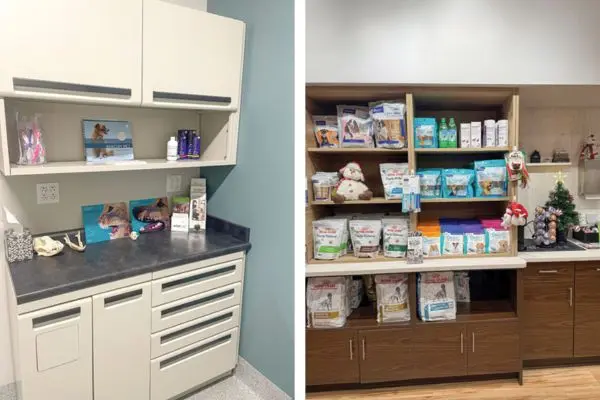
2) **Implement Visual Merchandising**: Use tiered shelves or glass cabinets to showcase dental products. At Companion Animal Dentistry in Overland Park, Kansas, DVM Susan E. Crowder utilizes exam room displays to keep dental tools and products accessible, promoting consistent client education.
3) **Encourage Hands-On Interaction**: Having products within clients' reach increases the likelihood of purchase. Mary Berg suggests placing demonstration products in the same location in each exam room to foster habitual discussion.
4) **Utilize Prescription Labels**: Include detailed instructions on dispensed products, as well as QR codes linked to instructional videos. Labels should also provide contact information for refill requests.
5) **Inquire About Home Dental Care**: Instead of asking if pets' teeth are brushed, veterinarians should ask about the types of dental care clients provide at home. This approach emphasizes the importance of dental hygiene and encourages pet owners to integrate dental products into their routine.
6) **Employ Problem-Solution Selling**: Communicate how specific products help manage dental health. For example, share the benefits of dental chews in reducing plaque buildup while personalizing the recommendation by mentioning use on personal pets.
7) **Offer Alternatives**: Introduce dental care during puppy and kitten check-ups and regularly revisit dental hygiene options in wellness appointments. If clients resist brushing, suggest effective alternatives like dental wipes or chews.
8) **Maximize Dental Discharge Appointments**: After dental procedures, schedule a follow-up appointment to review treatment outcomes and recommend appropriate dental products. Berg notes that plaque can form quickly post-cleaning, making home-care products essential for maintaining oral health.
9) **Provide Dental Goodie Bags**: Offer samples of dental products during discharge appointments to encourage trial and potential future purchases. Berg highlights the success of giving each dental patient a sample of a dental diet after treatment.
By prioritizing dental products in client interactions, especially during February’s National Pet Dental Health Month, veterinary practices can maintain year-round engagement with dental health discussions, thereby supporting both client education and practice revenue.
Wendy S. Myers, CVJ, trains veterinary teams to enhance communication skills essential for client trust. As the founder of Communication Solutions for Veterinarians, she leverages her experience to offer training through online courses and consulting.