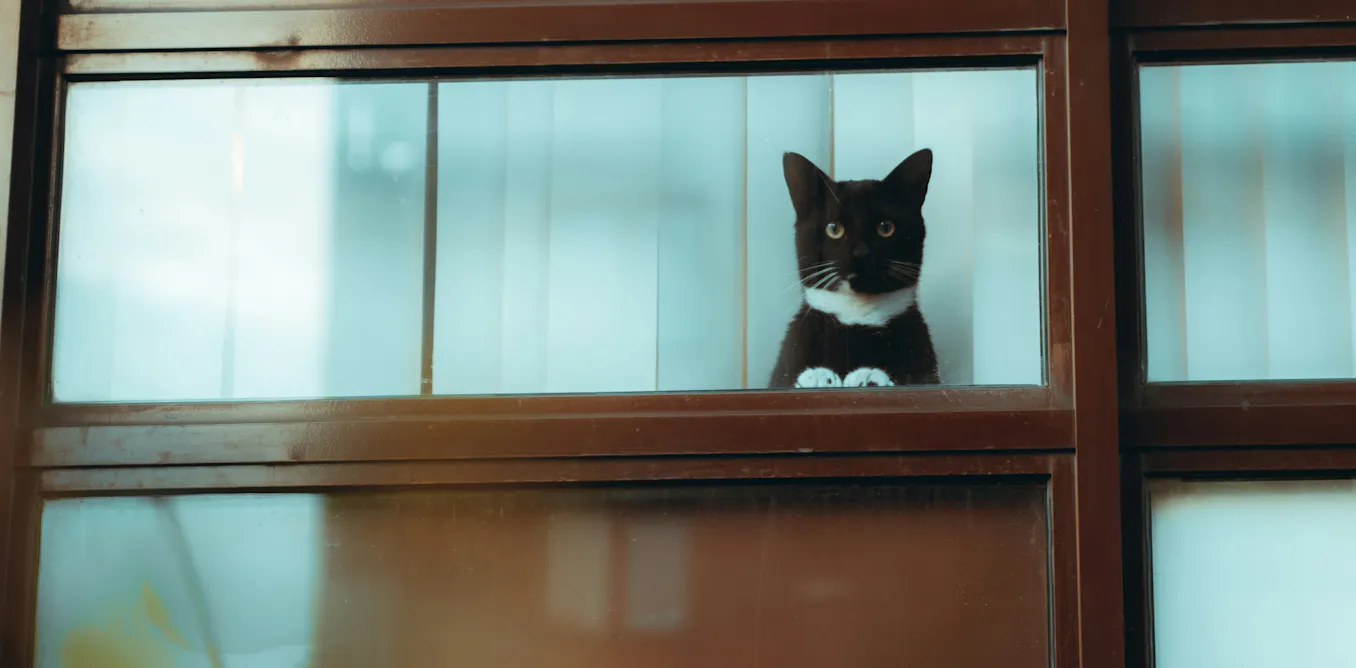
Australia is home to approximately 5 million pet cats, alongside several million feral cats, which significantly impact native wildlife. While opinions differ, a survey indicates that two-thirds of Australians favor keeping cats indoors only. In response, numerous local councils are implementing curfews on outdoor cat access.
Read More
Transitioning a cat accustomed to outdoor freedom to an indoor-only lifestyle presents challenges. A fundamental question is whether cats require outdoor access. In 2023, the European Union recognized outdoor space as essential for dogs but has yet to conclude similarly for cats, leaving this issue open for debate.
The Australian Veterinary Association advocates for keeping cats contained on their owners' properties. Properly contained cats should have enriching environments that support their physical and mental needs while minimizing stress. Critics of confinement often argue that outdoor access allows cats to exercise and express natural behaviors like hunting and climbing. However, free-roaming cats face increased risks, including disease, injuries from vehicles, and other dangers.
To safely contain a cat, it’s vital to ensure their indoor space meets essential needs, such as easy access to food, water, and litter trays, alongside safe resting spots and opportunities for play, including scratching posts and elevated platforms. Cats raised only indoors are generally more adaptable to this lifestyle than those who have previously roamed outside.
Changing a cat's living conditions can lead to behavioral issues, such as soiling outside the litter tray. This may occur if a cat used to outdoor elimination methods finds the litter box unsuitable. Stress from confinement can also trigger health problems like urinary tract infections, leading to inappropriate urination. Veterinary consultation is advisable to address any sudden behavioral changes.
To enhance indoor living, introducing cognitive enrichment like puzzle feeders or engaging in clicker training can stimulate a cat's mind and promote positive behavior. This training can also prepare a cat for experiences like traveling in a carrier or walking on a leash.
If outdoor exposure is desired, options like building a cat-proof fence, providing an enclosed outdoor space known as a catio, or exploring virtual fencing can offer safe alternatives. Additionally, placing a GPS tracker on a collar may help in case of accidental escapes.
The adjustment to indoor life varies per individual cat. Owners should remain attentive to their pets' behavioral changes to ensure they continue to thrive.