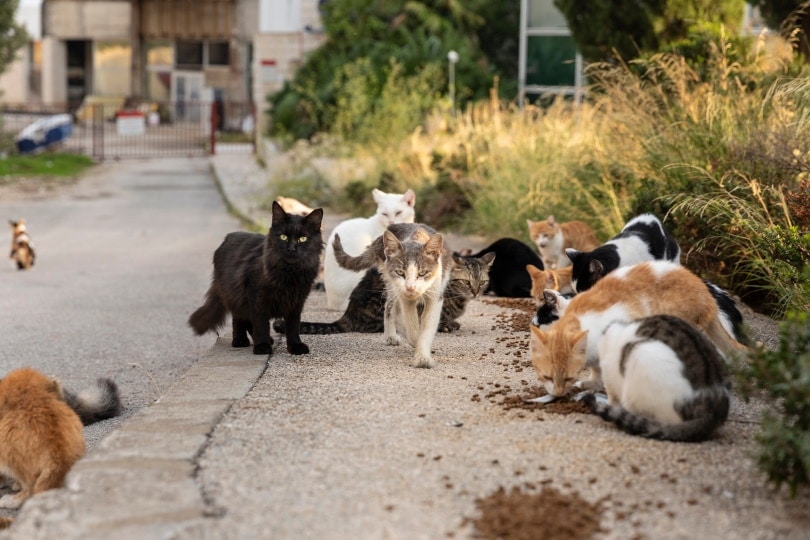
Domestic cats are present in over a third of U.S. households, yet many remain unaware that their outdoor activities contribute to one of the country’s most significant invasive species problems. Currently, estimates indicate there are between 60 million and 100 million stray and feral cats in the United States, causing several ecological, economic, and ethical challenges for animal welfare groups. While animal shelters and local governments work to manage these populations, cat owners bear much of the responsibility for the situation.
Read More
The staggering number of stray and feral cats is compounded by the fact that only about 85% of pet cats are spayed or neutered, which is critical for controlling population growth. Although spay and neuter rates improved from 82% in 2000 to 85% in 2020, this represents a decline from the 93% rate recorded in 2016. The drop is largely attributed to a reduction in available veterinary services during the COVID-19 pandemic, which resulted in an estimated 2.7 million surgeries not performed in 2020 and 2021.
Additionally, statistics show that roughly 15% of cat owners lose their pets in a five-year period, and only 75% recover them, compared to a 93% recovery rate for dogs. In a 2012 study, it was found that 59% of lost cats returned home on their own, though the methods owners used to locate missing pets varied significantly. In another study, it was noted that only 38% of microchipped cats in shelters found their way back to their owners due to outdated or incorrect contact information.
Adoption rates for shelter cats have improved, increasing from 59.5% in 2019 to 64.6% in 2022, with a corresponding decrease in feline euthanasia rates. However, the return-to-owner (RTO) rate for cats remains critically low at 2.8%, compared to 18.5% for dogs. Studies suggest that cat owners tend to take longer to search for lost pets than dog owners, contributing to this issue.
Stray and feral cats significantly impact wildlife, estimated to kill between 6.3 billion and 22.3 billion mammals annually in the United States, with unowned cats responsible for 89% of these deaths. Only about 25% of feral kittens survive past six months due to various environmental hazards.
Efforts to reduce stray cat populations typically involve initiatives like trap-neuter-release (TNR). In 2021, field services for cats accounted for over 88% of such activities. However, fewer than 3% of cats entering shelters are returned to their owners, underscoring the need for better identification practices among pet owners.
Future solutions to the stray and feral cat crisis require a collaborative approach involving clearer local laws, increased public education, and more proactive owner engagement in managing their pets. Ultimately, responsible pet ownership and community involvement are essential to reducing the homeless cat population and its negative impacts on the environment and animal welfare.