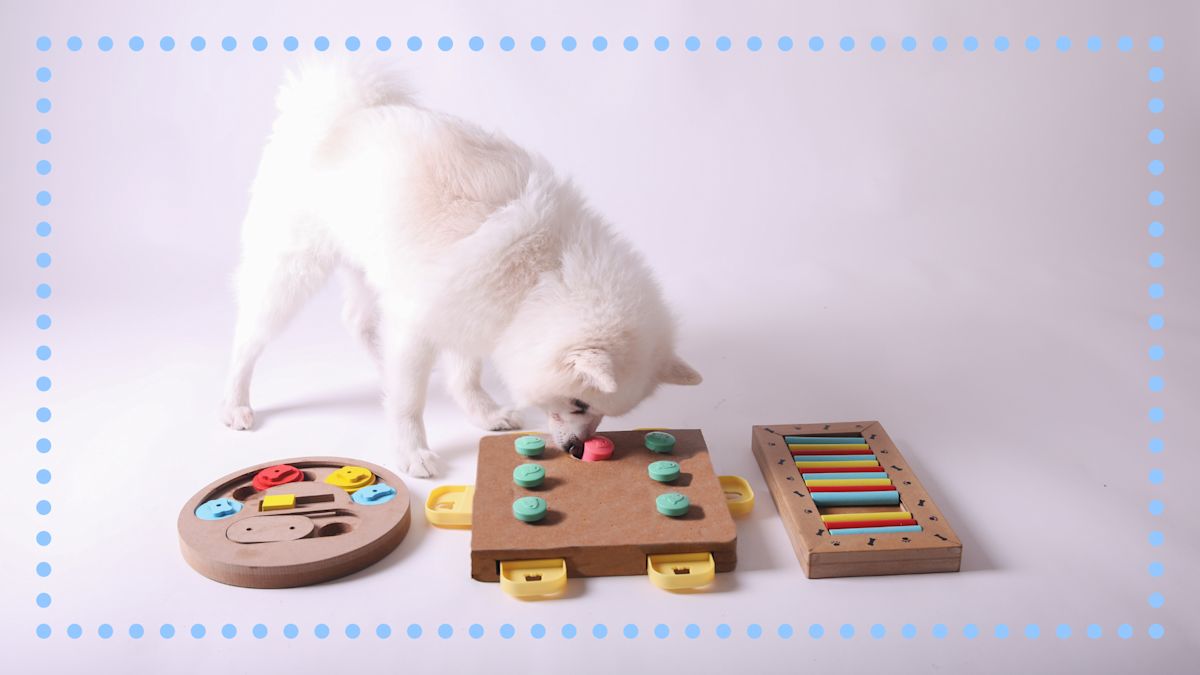
Dog puzzle toys provide opportunities for dogs to engage in natural behaviors like sniffing, scratching, and hunting for treats. Dr. Andrea Y. Tu, a behavior veterinarian and chief of veterinary behavior services at the Heart of Chelsea Veterinary Group in New York City, emphasizes their significance for a dog's mental health. She notes that dogs often lack the enrichment and stimulation they would obtain in a more natural environment, leading to boredom and anxiety when left unengaged.
Read More
To combat canine boredom, Dr. Tu recommends changing how dogs are fed. She advocates for replacing traditional bowls with puzzle toys, stating, "If every single meal can be fed out of a puzzle toy... that would do wonders for pets' enrichment and mental health." This approach aligns with the concept of contrafreeloading, where animals prefer to work for their food over having it readily available.
Dr. Tu suggests enhancing the challenge by hiding puzzle toys under blankets or utilizing non-food focused puzzles to stimulate dogs’ natural instincts. Additionally, she notes that the complexity of the puzzles should vary, ensuring they are not too difficult to avoid causing frustration. Affordable DIY options, such as using a paper towel tube filled with kibble, can also effectively provide enrichment.
For those looking for commercially available puzzles, Dr. Tu recommends products like the Nina Ottosson toys, which have varying difficulty levels, and snuffle mats where treats can be hidden. These toys not only provide mental stimulation but can also help manage boredom behaviors in dogs.
Various dog owners have shared their favorite puzzle toys, highlighting options like treat-dispensing balls and plush toys designed for dogs to forage. These toys can engage dogs for extended periods and help fulfill their natural instincts in a fun and interactive way.