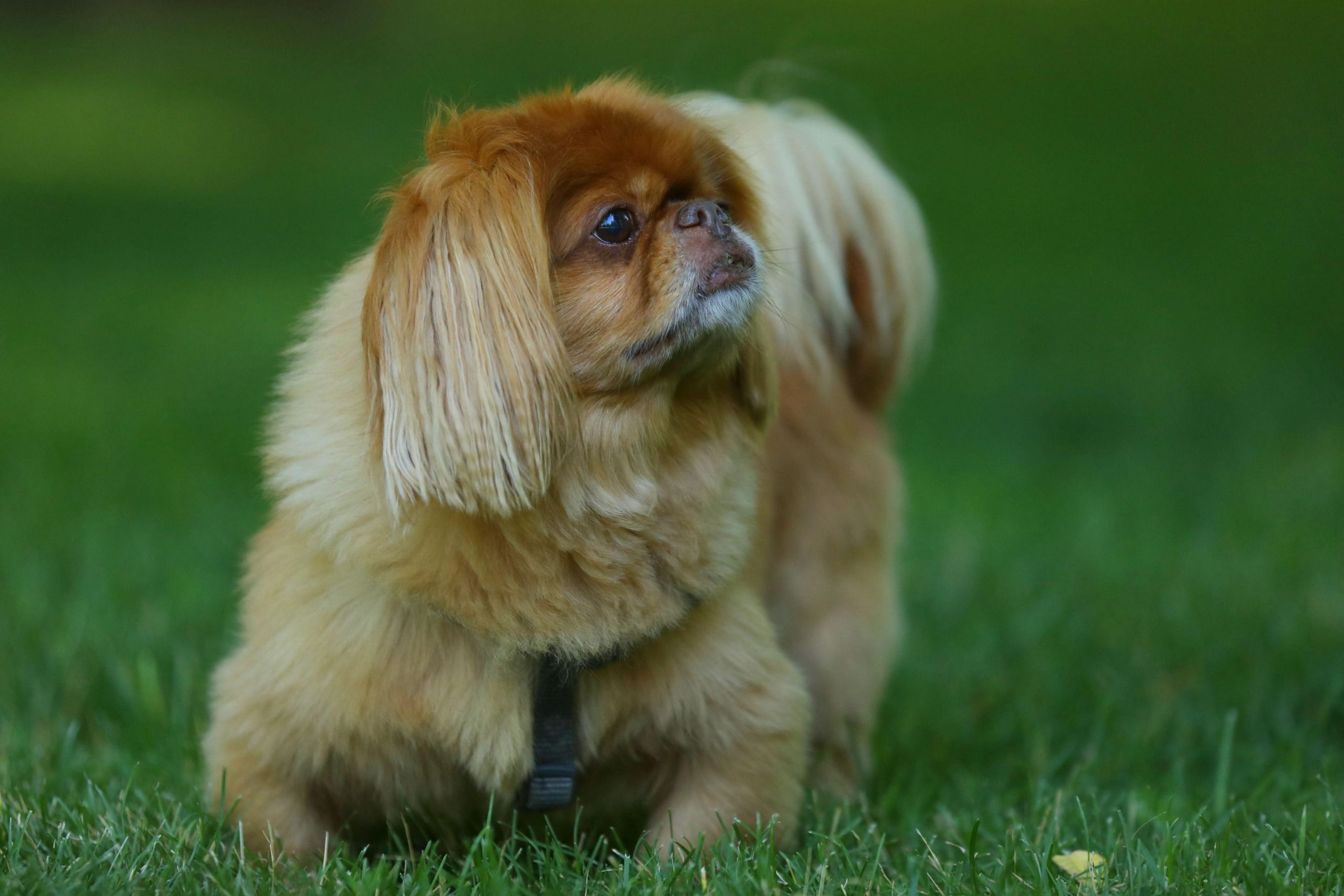
The Pekingese, a toy dog breed originating from China, gained royal favor as the exclusive companions of Chinese emperors, who considered them sacred and confined them to the Forbidden City. The breed's journey to Britain began with the sacking of Peking during the Second Opium War in 1860. A British officer rescued five Pekingese dogs mourning their deceased owner, who had taken her life.
Read More
One of these dogs was gifted to Queen Victoria, who named it Looty. This dog lived at Windsor Castle until 1872. Other rescued dogs were given to the Duchess of Richmond and Gordon, who subsequently developed the Goodwood bloodline, while Admiral Lord John Hay received two as well.
Clarice Ashton Cross, a wealthy barrister's wife, established distinguished Pekingese kennels at Alderbourne and became a prominent figure in Edwardian dog shows. She demonstrated that show dogs could be both athletic and charming, stating that well-reared Pekingese could run and clear hurdles suitable for their size. Arthur Croxton Smith echoed this in 1931, affirming that Pekingese were not just lapdogs but capable outdoor companions, a sentiment reiterated by Country Life in 2010.
Characterized by their brave demeanor and fluffy appearance, Pekingese have attracted enthusiasts throughout history, including notable figures like the 3rd Duke of Wellington and Mary Russell, the 'Flying Duchess.' Russell built a temple in a pet cemetery for Che Foo, her beloved Pekingese.
In a modern revival of interest, a Pekingese named Eric captured hearts at Crufts 2023, competing for Best in Show. This information is drawn from 'The Country Life Book of Dogs' by Agnes Stamp.