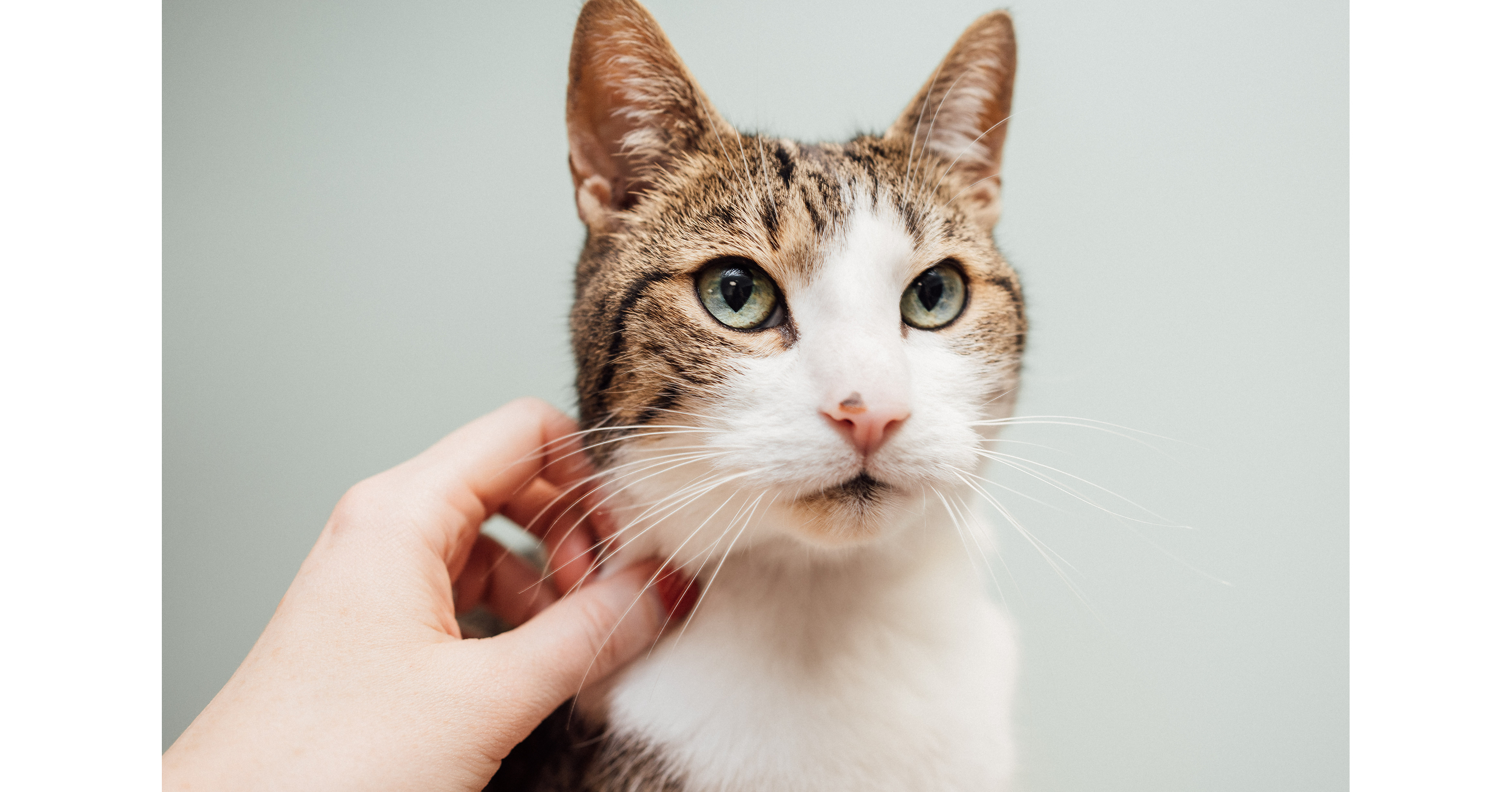
Researchers from the Waltham Petcare Science Institute, in partnership with Mars Veterinary Health, Royal Canin, and the University of Bristol, have developed and validated a tool to better assess the physical and emotional wellbeing of cats. This two-part study, published in the Journal of Feline Medicine and Surgery, addresses a significant challenge in feline welfare, as cats often hide their discomfort, complicating diagnoses during veterinary visits.
Read More
The comprehensive study involved data from 1,324 cat owners across the United States and the United Kingdom, which helped identify key factors affecting feline wellbeing. The resulting feline quality of life (FelQoL) questionnaire is designed to reliably assess wellbeing across various backgrounds and living environments.
Key findings indicate that a cat's age, health, and environment significantly influence its quality of life. Older cats and those with medical conditions tended to be less active and social, whereas those in environments with perching spots showed increased activity. These findings align with clinical expectations and prior research, confirming the validity of the FelQoL questionnaire.
The tool yielded consistent results when evaluating the same cat multiple times and successfully distinguished among cats with different characteristics and conditions based on collected demographic and health data. Janet Patterson-Kane, Global Veterinary Science Partner at Mars Science & Diagnostics, highlighted the importance of the FelQoL as a valuable resource for both veterinary professionals and pet owners. She noted that this practical, science-backed tool could facilitate better identification of cats' welfare needs, enhancing their overall quality of life.
The questionnaire also offers actionable insights that pet owners can implement at home and is currently utilized in conjunction with the MARS PETCARE BIOBANK to further understand cat wellbeing, alongside an existing tool for measuring dog wellbeing.