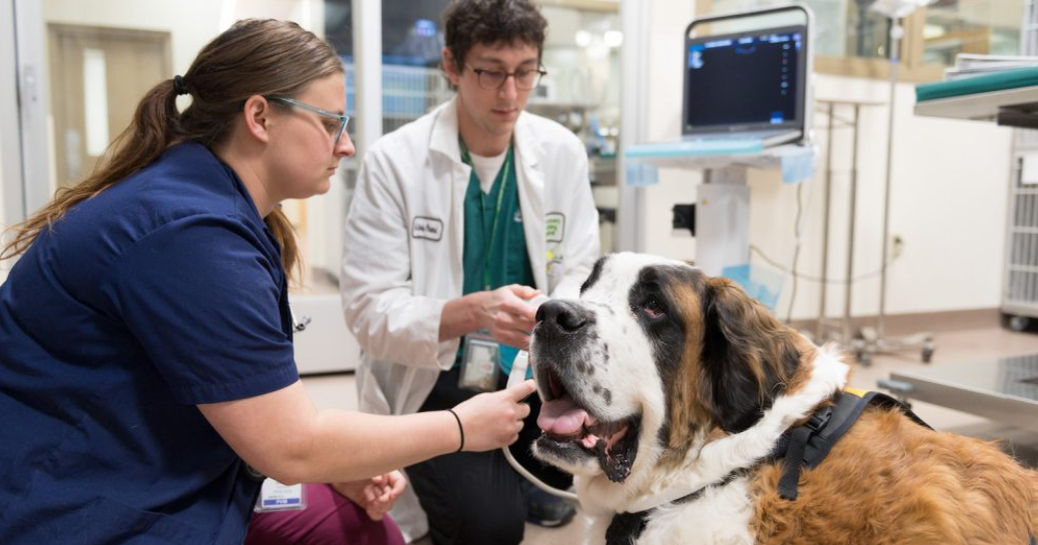
Students are training for new veterinary roles at Colorado State University (CSU) as state regulators work to define the Veterinary Professional Associate (VPA) profession. The university's Master of Science in Veterinary Clinical Care program, launched this fall, has enrolled 14 students, making it the first VPA program in Colorado. This role emerged after voters approved Proposition 129 in November 2024, a measure aimed at addressing veterinary workforce shortages and enhancing animal care access.
Read More
The Colorado Board of Veterinary Medicine is set to discuss further regulatory developments this week, focusing on supervision, credentialing, and practice scope for VPAs. Advocates compare VPAs to physician assistants in human medicine, arguing they could alleviate the burdens on veterinarians by managing routine cases and improving care access, particularly in shelters and underserved areas, including rural communities.
Program director Dr. Shari Lanning noted, "This program was really developed with shelter medicine in mind, because there's a huge need for veterinary care within shelters." She emphasized the program's progress after years of planning.
The program spans five semesters and requires 65 credit hours, with students completing online coursework in the first three semesters followed by in-person lab instruction and clinical training. The inaugural cohort is expected to graduate in spring 2028. Lanning explained that the preclinical work prepares students for practical experiences in the clinical environment.
Despite the program's launch, major questions persist. "The Department of Regulatory Agencies (DORA) is still working to define the full scope of practice for the VPA," Lanning noted. She assured that the ongoing regulatory discussions won't affect the training curriculum for the students.
Concerns from some veterinarians highlight the uncertainties surrounding the new profession. Retired veterinarian Dr. Gretchen Norton, who has over 20 years in private practice and shelter medicine, opposed Proposition 129 and expressed worries about the rush to establish the VPA role without settled certification standards. "There's no certification exam, so we don't know what they're going to be tested on," Norton stated, noting that the education timeline could condense what is traditionally a four-year degree into just five semesters, which she finds inadequate for surgical training.
Supporters of Proposition 129 argue that VPAs are not meant to replace veterinarians but to supplement the workforce. Lanning insisted that CSU is well-equipped to deliver high-quality veterinary education based on its established history.
The Colorado Board of Veterinary Medicine's permanent rulemaking hearing is scheduled for October 8, providing stakeholders an opportunity to discuss licensure requirements and examination standards for VPAs.