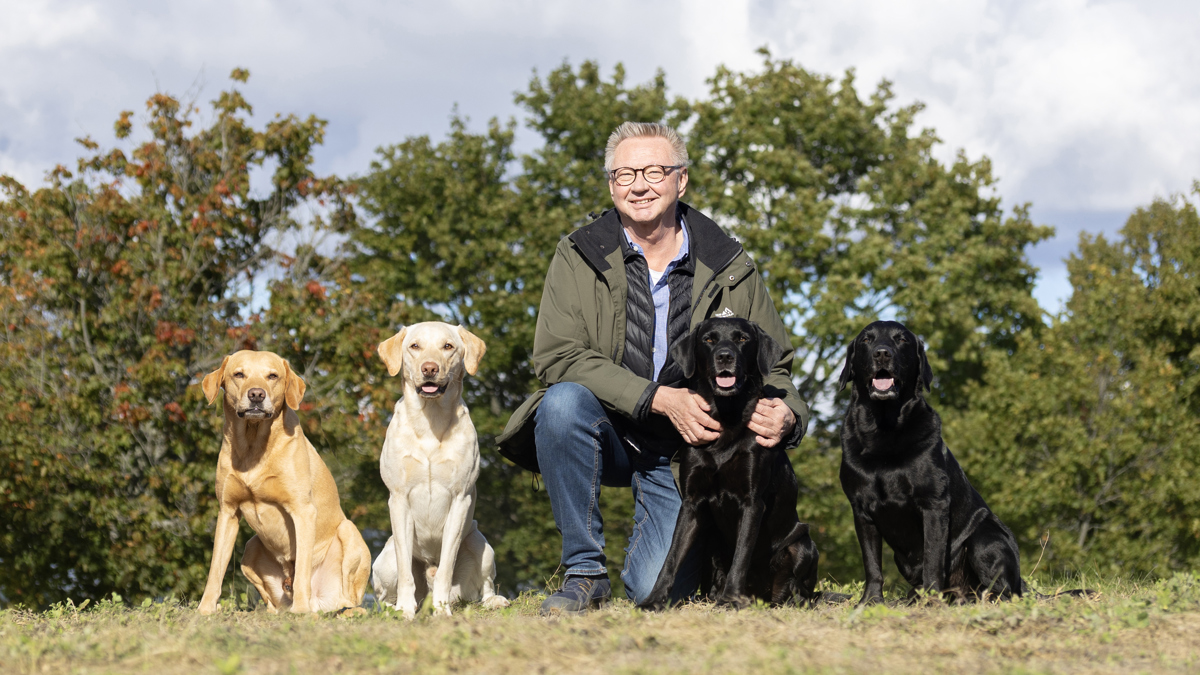
A recent study emphasizes that the mentality of dogs is not solely determined by breed, revealing significant variability among individuals within the same breed. In Sweden, there are currently 371 registered dog breeds, each associated with distinct traits due to their specific roles, such as hunting, guarding, herding, or companionship.
Read More
While prospective dog owners often anticipate specific characteristics based on a breed's standard, behavioral traits can differ notably among individual dogs. Factors influencing this variability include genetic inheritance and training practices. For instance, some dogs may be more social, protective, or playful than others, even within the same breed.
Professor Erling Strandberg, who has researched dog behavior for nearly two decades, notes that relying on breed as a predictor of a puppy's temperament can be misleading. He highlights that most prior investigations only gathered subjective assessments from dog owners, which often yielded inconsistent results.
In Sweden, the Swedish Kennel Club and the Swedish Working Dog Club provide a standardized assessment of dogs' mental characteristics through tools known as MH (mental description) and BPH (behavior and personality description). These tests aim to evaluate and compare traits like sociability, playfulness, and environmental security using carefully controlled methods.
Data from these assessments has led to the development of a mental index, which helps breeders understand how mental traits are inherited. This tool is currently applied to breeds such as collies, Rottweilers, and Labrador Retrievers, with plans to expand its use.
For example, when considering acquiring a Labrador Retriever, the likelihood of receiving a dog that accurately reflects breed standards is only about 50%. Dogs may present behavioral characteristics that vary significantly from typical expectations.
Professor Strandberg explains that genetic mixing in puppies can result in the expression of traits that were not apparent in their parents, creating unpredictability in behavioral outcomes. Furthermore, some traits, particularly those related to fearfulness, are inherited, while others can be shaped by training and environment.
To enhance the likelihood of a favorable match between a dog’s behavior and owner expectations, prospective owners should carefully select a breed while remaining open to individual differences. Understanding the genetic background of parent dogs can help in assessing potential behavioral traits of the puppy. Ultimately, the uncertainty surrounding a puppy's development may also add to the joy of welcoming a new family member.