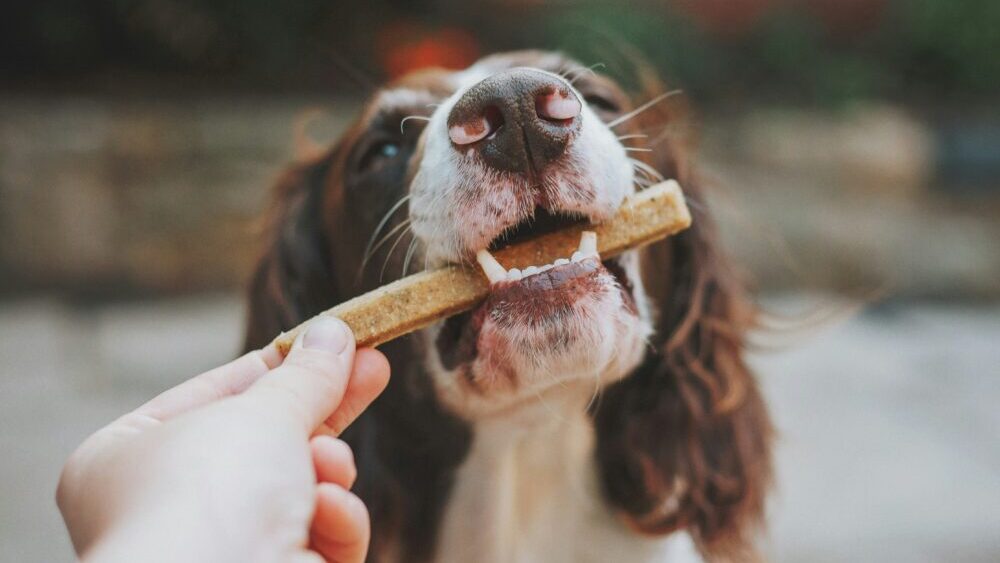
As summer activities come to an end in Annapolis, dog owners should turn their attention to routine pet care, including dental health. Maintaining a dog’s dental hygiene might not seem exciting, but it's crucial, especially since dental issues often go unnoticed until bad breath becomes problematic.
Read More
The American Veterinary Medical Association (AVMA) states that periodontal disease is the most prevalent dental issue in dogs, with most dogs showing signs of it by the age of three. It's important to start regular dental care early, as much of the disease develops below the gumline, making a seemingly clean mouth potentially misleading.
Dog owners are advised to look out for several warning signs, including:
- Bad breath
- Broken or loose teeth
- Discolored teeth or visible tartar
- Dropping food or excessive drooling
- Reduced appetite
- Mouth swelling, pain, or bleeding
- Behavioral changes such as irritability.
If a dog appears uncomfortable around its mouth, owners should handle the area delicately and consult a veterinarian instead of attempting to diagnose the issue at home.
Brushing is the most effective way to maintain oral hygiene at home, with daily brushing preferred. However, a gradual routine is essential, especially for dogs unaccustomed to having their mouths handled. Dental chews can complement brushing by helping to mechanically disrupt plaque and may contain ingredients that promote fresher breath and digestive health.
Dog owners should remember that dental chews are not substitutes for brushing or professional veterinary care. When selecting a dental chew, it’s important to consult a veterinarian and consider several factors:
- Size: Select a chew suitable for the dog’s weight and follow feeding guidelines to prevent choking.
- Texture: Assess the chew’s texture rather than simply choosing the hardest option.
- Ingredients: A clear ingredient list helps ensure the chew is appropriate for the dog’s dietary needs.
- Feeding Directions: Adhere to the recommended serving size, considering dental chews as part of the dog’s treat allowance.
- Supervision: Always monitor a dog while chewing, especially with new products, and provide fresh water.
For dogs that resist tooth brushing, the Cornell Richard P. Riney Canine Health Center recommends treating brushing as a gentle training exercise, taking time to build comfort with the process. Starting with a small amount of pet-safe toothpaste, gradually acclimating the dog to having its mouth handled, and working on one tooth at a time are all effective strategies.
Moreover, professional veterinary dental cleanings are essential as they can thoroughly examine and clean areas below the gumline, often requiring anesthesia. The AVMA does not recommend anesthesia-free dental cleanings, as they do not allow for adequate evaluation of these critical areas.
A straightforward dental care regimen for dogs involves regular brushing, the appropriate use of dental chews, and including dental assessments during veterinary visits. If any signs of dental trouble arise between appointments, such as bad breath or changes in chewing habits, it's important to discuss these with a veterinarian. Regular dental care is fundamental to a dog’s overall health.