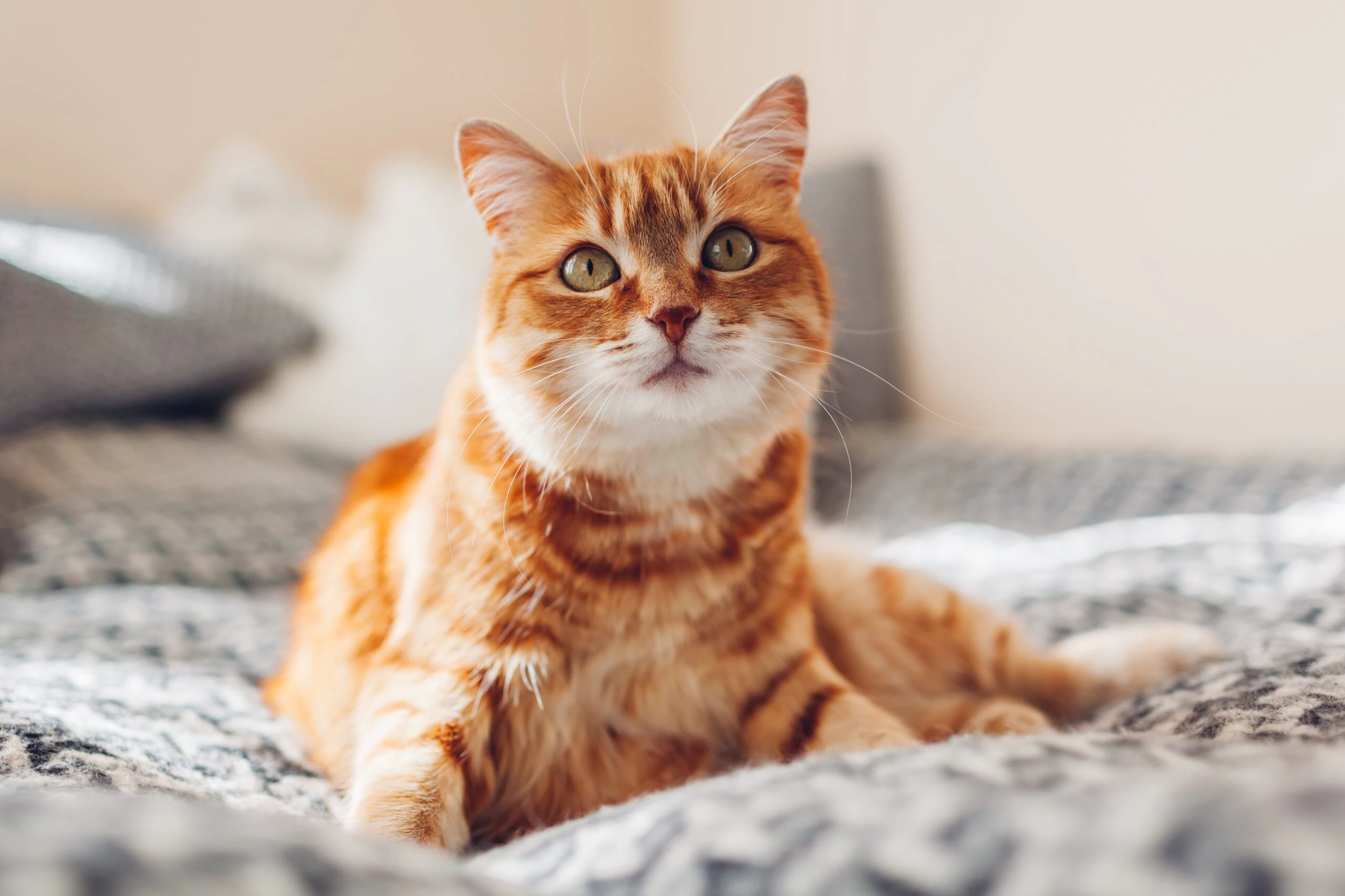
Cats are often appreciated for their unique qualities, leading to the question: how intelligent are they? The consensus is that cats possess a specific type of intelligence that has evolved over thousands of years, tailored for their survival and behavior as felines.
Read More
When discussing cat intelligence, it is important to note that traditional measures of IQ (intelligence quotient) are not applicable to animals. Unlike humans, there are no standardized methods to assess IQ in cats. Instead, researchers focus on animal cognition, which involves how animals process information and make decisions.
Research highlights include the following cognitive traits of cats:
- Cats exhibit object permanence; they understand that hidden objects still exist, such as knowing a toy is under a box.
- They possess both working and long-term memories, enabling them to pursue goals even when faced with obstacles.
- Cats can distinguish between different time durations and recognize quantities.
- They are capable of interpreting human cues and emotions, showing responsiveness to their owners.
- Cats are able to recognize specific human voices and often form attachments to individuals in their lives.
Cats’ cognitive abilities have been likened to those of human toddlers, but comparisons to dogs highlight different types of intelligence. While dogs are inherently social and seek human cues, cats tend to handle problems independently, reflecting their distinct evolutionary paths.
The notion of intelligence may vary among individual cats, as one could excel in problem-solving while another offers emotional support. For instance, one cat may be adept at finding hidden treats, while another might comfort an owner during difficult times. Thus, each cat's intelligence can be measured by their ability to achieve their desires in various ways.
Certain cat breeds are noted for their intelligence, including Abyssinians, Siamese, Scottish Folds, Persians, Cornish Rex, and Turkish Angoras. However, individual behavior can still vary within these breeds.
While there is no formal IQ test for cats, owners can engage in simple experiments to gauge their cats’ intelligence. One method involves hiding a treat under a cup and observing their reaction. Quick responses may indicate above-average intelligence, while hesitant exploration or indifference could suggest otherwise.
Further testing can involve delaying the cat’s release after hiding an object to see if they remember its placement. Additionally, providing puzzle toys can enhance a cat's cognitive skills by challenging them to uncover hidden treats.
In conclusion, while the intelligence of cats is intriguing, the bond shared between a cat and its owner remains paramount.
WRITTEN BY Jennifer Coates, DVM, a veterinarian with extensive experience in veterinary writing, editing, and consulting.