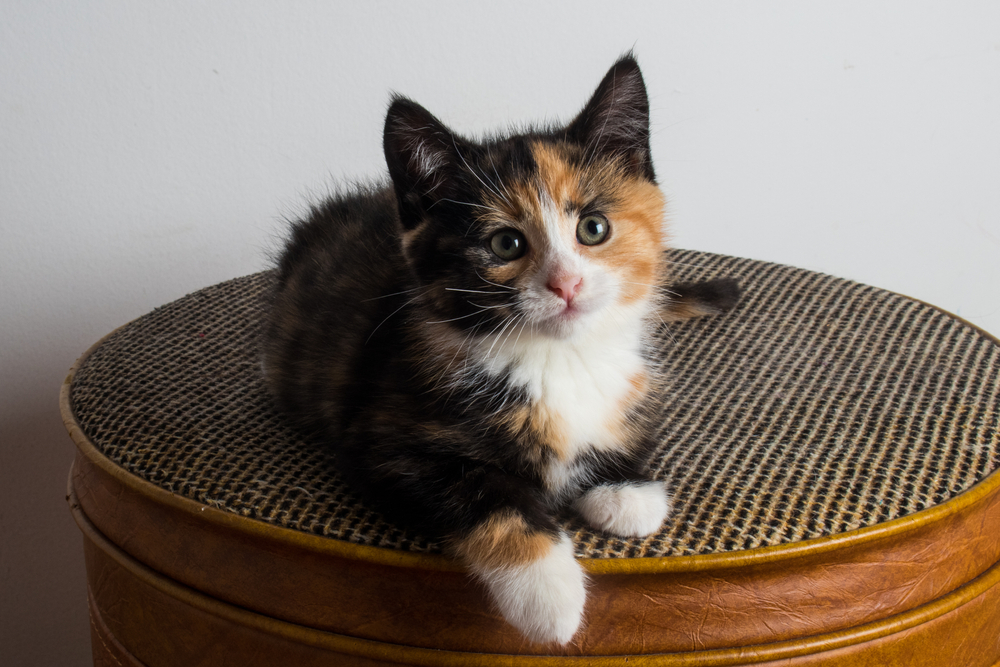
As kittens grow from playful youngsters into adults, significant changes occur between 13 to 18 months of age. At this stage, cats are considered to be transitioning into adulthood, typically reaching their full size and further developing their personalities.
Read More
Diet becomes an important consideration around 13 months. Most cats are deemed fully grown by their first birthday, so it's advisable to adjust their diet accordingly. Prior to this, kittens often eat high-protein formulas to support their growth. Now, it is wise to transition to adult cat food designed for health maintenance. Consulting with a veterinarian can help in selecting the best food options that fit your budget.
Popular options include:
- **Dry Kibble**: Offers long shelf life and balanced nutrients, though it lacks moisture.
- **Wet Canned Food**: Provides hydration and appealing flavors, making it a favorite among many cats.
- **Fresh Food**: Balanced diets from some companies are tasty and high in water content.
In terms of size and appearance, most cats will have reached their adult size by this age, although the extent of growth depends primarily on genetics. For example, Maine Coons may still be growing, while smaller breeds like Singapura will be fully grown. Differences between males and females will become more apparent, with males generally being larger unless neutered. By this stage, most cats may start to fill out, and any weight gain should be monitored to maintain a healthy physique.
The primordial pouch, a flap of skin along their belly, may become more noticeable as cats age. Monitoring changes in this area is important, particularly if weight gain occurs, as it could warrant dietary adjustments.
Exercise remains essential for maintaining your cat's health. Regular playtime helps indoor cats stay active and manage their weight. Providing a variety of toys and activities, such as cat trees, scratching posts, and interactive toys, can help keep them engaged and stimulated.
Cats typically sleep between 12 to 16 hours daily but may still indulge in longer naps during this stage. Their individual energy levels will influence their sleep patterns, with some cats becoming lazier and others retaining more energy.
Behaviorally, cats will exhibit personalities that vary widely. Kittens may still be energetic, while others may develop a more relaxed demeanor as they mature. Owners can expect their cats to bond more closely but also to become set in certain preferences, such as interactions with other pets or preferred petting spots.
To keep your cat well-cared for during this stage:
1. **Provide Comfortable Napping Spots**: Ensure there are cozy areas for your cat to relax, such as hammocks or sunlit windowsills.
2. **Keep Up with Vet Visits**: Regular check-ups are crucial for your cat's long-term health.
3. **Consider Pet Insurance**: This can offer peace of mind regarding potential healthcare costs.
4. **Maintain Grooming Routines**: Regular brushing is necessary to keep your cat's coat healthy.
5. **Continue Bonding Activities**: Engage in interactive play and affection sessions to strengthen your relationship.
As your kitten reaches this stage, understanding their development can help you provide the best care and support. With the right attention, they will continue to grow into healthy, well-adjusted adult cats.