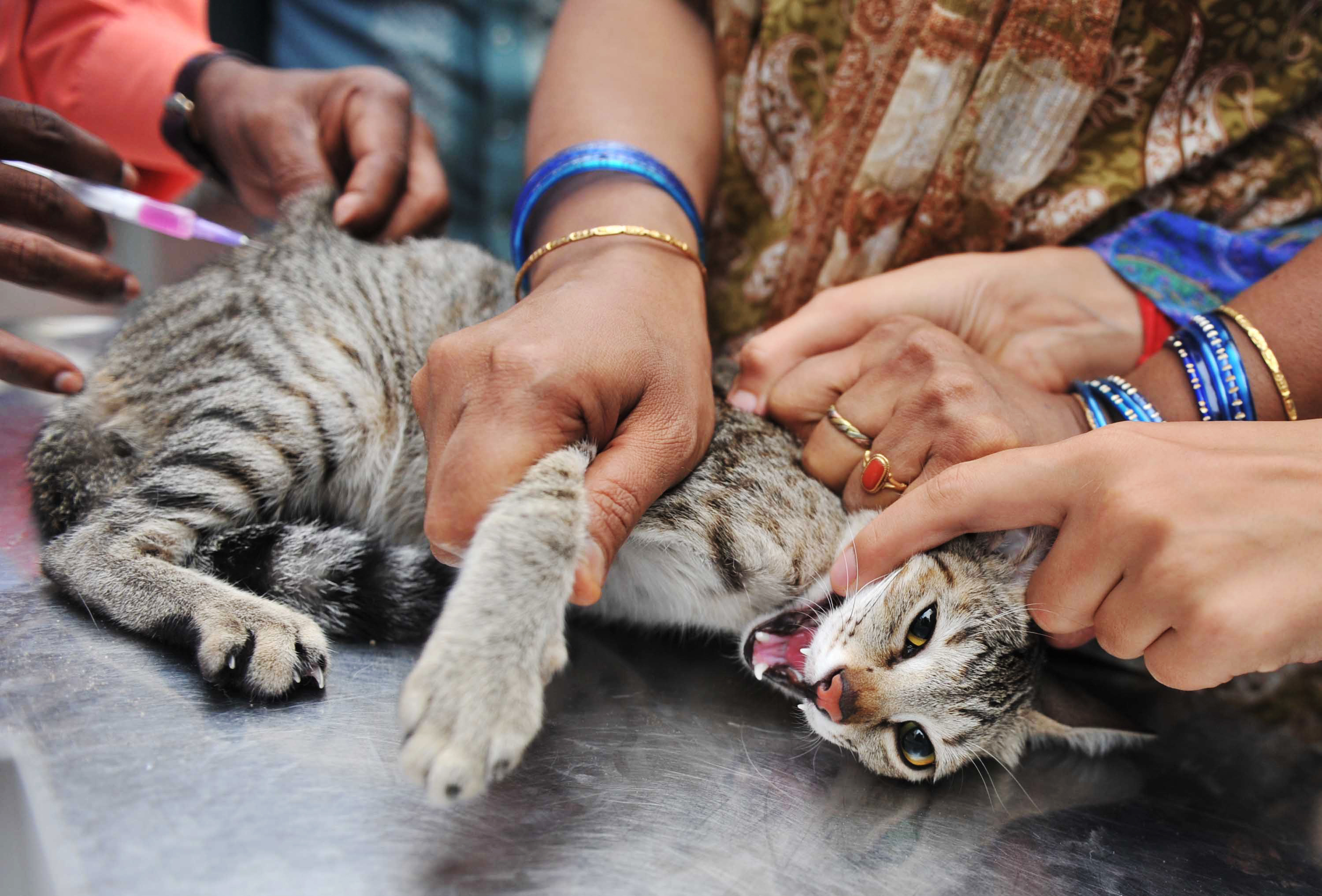
A cat that attacked two individuals near the 4300 block of Jimmy Carter Boulevard in Norcross, Georgia, has tested positive for rabies, as confirmed by Gwinnett County Animal Welfare and Enforcement and GNR Public Health on Friday, September 25. The incident occurred on Thursday, September 24. The identities and health conditions of the victims have not been disclosed, nor have officials clarified whether the cat had an owner or if it had interacted with other people or pets.
Read More
Rabies is nearly always fatal once symptoms appear, but it is preventable with prompt medical treatment following a bite or scratch. Health officials are urging anyone who may have had contact with the cat to seek care immediately.
The county has advised residents to avoid interacting with animals displaying unusual behavior and to ensure their pets are vaccinated against rabies. Anyone bitten or scratched by a stray or potentially rabid animal should visit a hospital at once and subsequently notify GNR Public Health.
Similar cases have occurred in Norcross; in May 2017, three people were reported attacked by a rabid cat on Sunset Drive, and pets were also involved in that incident.
Rabies transmission typically occurs through bites or scratches that expose individuals to an infected animal's saliva. The virus travels to the brain over a period of weeks or months. If symptoms develop, there is no effective treatment. However, there is a critical opportunity for post-exposure prophylaxis (PEP) to prevent the disease. For individuals not previously vaccinated against rabies, PEP includes thorough washing of the wound, an injection of human rabies immune globulin, and four rabies vaccine doses over a two-week period. Those with prior vaccinations, such as veterinarians, typically require only two vaccine doses.
According to the CDC, about 100,000 people in the U.S. receive PEP annually. Recent statistics indicate a 33% increase in rabies vaccine use and a 76% increase in immune globulin use this year compared to the same time in 2025. The CDC has confirmed there is currently no shortage of rabies vaccines or immune globulin, though treatment can be costly, ranging from $11,000 to $14,000 per patient. Uninsured individuals are encouraged to consult hospitals and health departments regarding financial assistance.
Cats account for the highest number of rabies cases among domestic animals in the U.S., with 200 to 300 cases reported each year. Georgia law mandates rabies vaccinations for dogs and cats, and pet owners should ensure their animals' vaccinations are current, particularly for outdoor cats. Unvaccinated pets exposed to rabid animals may require a strict four-month quarantine or immediate euthanasia. Educating children not to interact with stray animals is also essential, as rabid animals may exhibit aggressive or unusually tame behavior.
Following a bite or scratch, the affected area should be washed with soap and water for several minutes, and medical care should be sought on the same day. Early symptoms of rabies, including fever and tingling near the bite site, require immediate evaluation.
For inquiries related to potential rabies exposure, residents can reach out to GNR Public Health at 770-339-4260. Reports of animal bites or unusual animal behavior can be directed to the Gwinnett Animal Welfare and Enforcement Bite Office at 770-339-3200, ext. 5576.