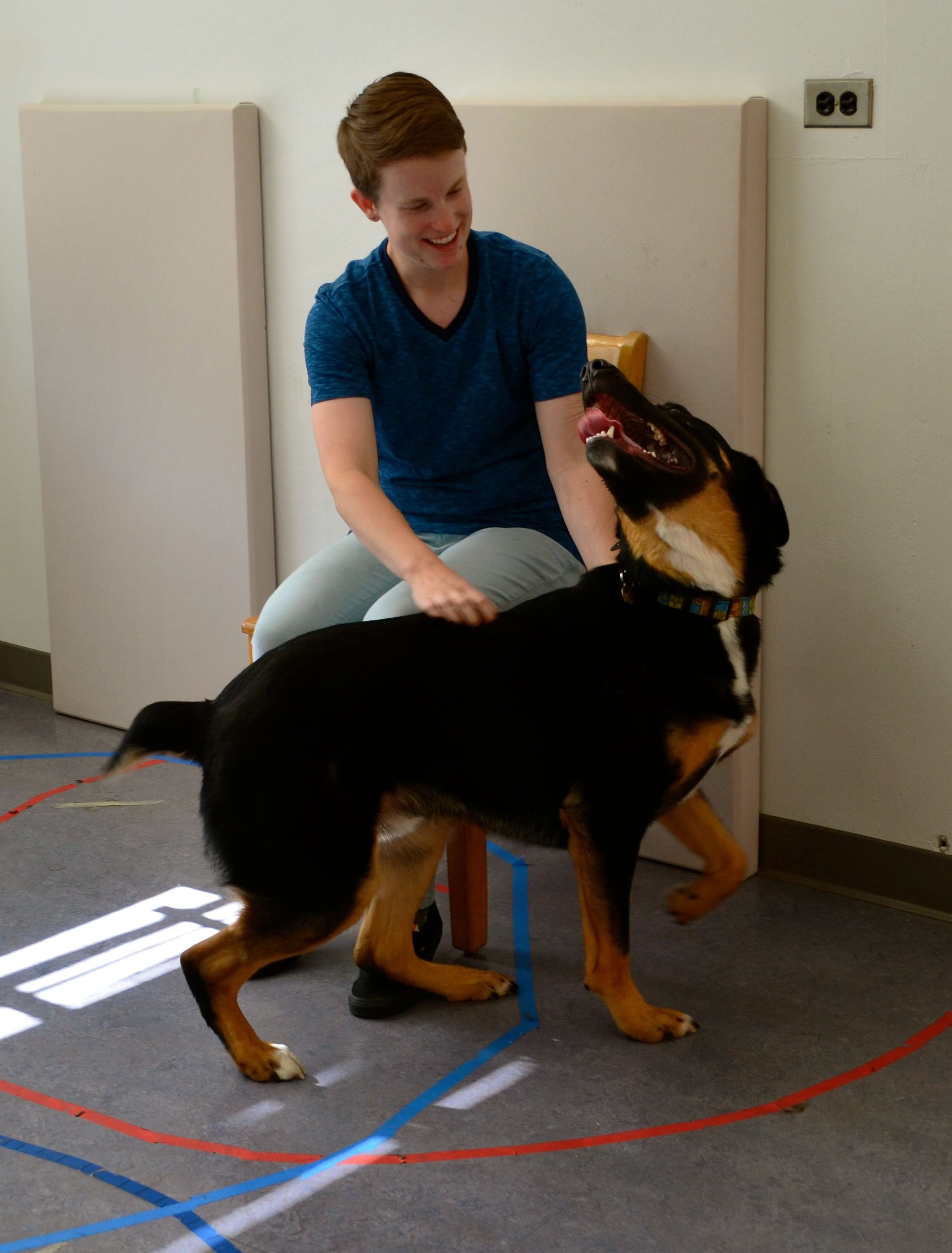
Research from Oregon State University has established a connection between the parenting style of dog owners and the behavior of their dogs. Owners who set high expectations and are responsive to their dogs' needs tend to have dogs that are more social, secure when apart from their owners, and persistent problem solvers.
Read More
Monique Udell, an associate professor and expert in dog behavior, emphasized the significance of these findings, stating, "We found that pet parenting style does predict patterns of dog behavior and cognition. This suggests that dog owners who understand and meet their dogs' needs are more likely to nurture secure and resilient pets."
The study, published in the journal Animal Cognition, contributes to the growing body of research on how a dog's behavior is shaped by its home environment and experiences. Increasingly, researchers are focusing on the bond between dog owners and their pets, paralleling studies in human psychology.
Co-author Lauren Brubaker, a behavioral scientist, noted that parenting styles are crucial in child development, influencing mental health and social cognition. The researchers recruited 48 dog owners for the study and categorized them based on their pet parenting style: authoritative, authoritarian, or permissive, mirroring human parenting classifications.
Each dog underwent three behavioral tests in Udell's Human-Animal Interaction Lab. The tests assessed the dogs' attachment to their owners, sociability in the presence of unfamiliar people, and problem-solving abilities with treats hidden in puzzles.
Findings indicated that dogs with authoritative owners demonstrated secure attachment styles, responded well to social cues, and were persistent in solving puzzles, with only this group successfully completing the tasks. In contrast, dogs with authoritarian owners were more likely to exhibit insecure attachment styles, while those with permissive owners did not respond as strongly to their owners compared to unfamiliar individuals.
Brubaker concluded that the bond between dogs and their owners may be functionally and emotionally similar to parent-child relationships, suggesting that owner behavior significantly impacts dog behavior.