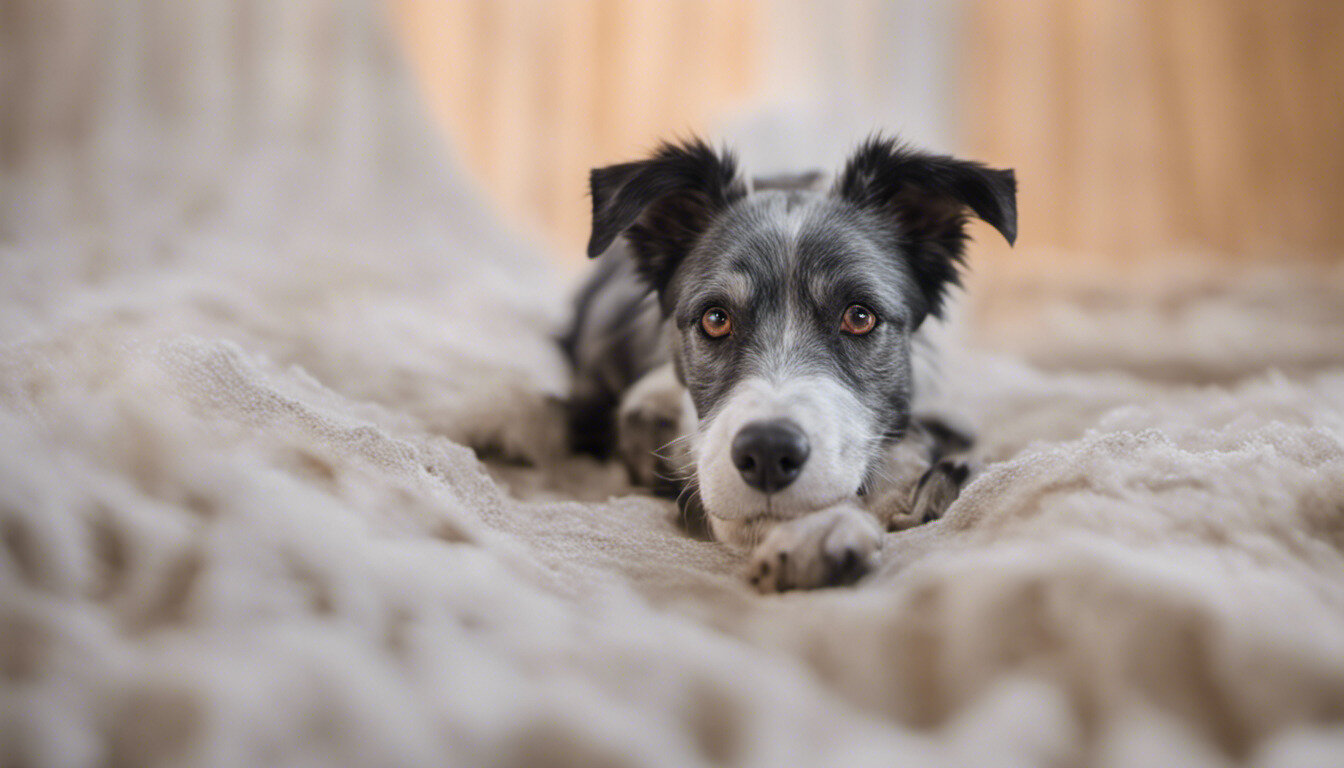
A recent study led by researchers in the United States examined the genetic codes of over 4,000 dogs and surveyed 46,000 pet owners to explore how breed affects dog personality. The researchers identified various genes linked to behaviors typical of specific breeds, confirming that breed does play a significant role in shaping dog personalities.
Read More
The analysis included DNA samples from more than 200 breeds, which were categorized into ten major genetic lineages based on historical tasks such as hunting and herding. The researchers noted that breeds, despite being unrelated, can share genetic traits when bred for similar tasks.
For instance, herding breeds, like Border Collies, were found to exhibit high levels of "non-social fear," a sensitivity to environmental stimuli. Terriers, such as Jack Russells, were characterized by a strong predatory instinct, while scent hounds, like Beagles, showed lower trainability, aligning with their breeding purposes.
The study also emphasized the role of the EPHA5 gene in sheepdogs, linking it to anxiety-like behaviors in other species, potentially explaining their energetic nature and focus on tasks. However, while breed influences behavior, the study highlights the significant impact of a dog's upbringing on personality development.
A separate study earlier this year suggested that a dog's lineage is just one factor influencing behavior, proposing that environmental factors may have a greater impact than genetics. This emphasizes the need for early socialization and consistent training to guide a dog’s behavior throughout its early years.
Dog owners are encouraged to consider the traits associated with their dog’s breed while also being proactive in shaping their canine companion's behavior. For instance, adopting a dog that aligns with one's lifestyle is crucial. Those with small pets should think carefully before getting a terrier, known for its hunting instincts, while those in busy environments may find herding breeds more challenging.
Ultimately, while dog breed can inform behavior, effective training and socialization significantly contribute to developing a well-adjusted pet.