Over the past two months, I engaged in daily operations at a veterinary non-governmental organization (NGO) in Ulaanbaatar, Mongolia. The organization conducts initiatives aimed at increasing veterinary care and education access in underserved communities. This work includes hands-on training for local farmers and veterinarians to enhance their skills.
Read More
My project, funded partially by Cornell’s Expanding Horizons program, focused on providing milk quality testing services to dairies in and around Ulaanbaatar and Central Tuv province. Testing milk quality is crucial for detecting mastitis in cows, which can significantly impact dairy production and animal welfare if not addressed. Until now, there had been no extensive documentation of milk culturing results in the area. Drs. John and Laurie Day, experienced dairy veterinarians from Idaho, supervised the project.
Alongside a team of Mongolian veterinarians and drivers, we traveled by Buhanka van, a rugged vehicle suited for the rough landscape, to various dairy farms. We aimed to collect samples before the morning milking routine, necessitating early departures before 4 a.m. Collecting samples required strict adherence to protocols to avoid contamination, which proved challenging amid numerous active cows. After collection, we transported the samples back to the clinic for analysis.
We successfully collected nearly 300 milk samples from six dairies, which were then cultured using a repurposed refrigerator.
One notable learning outcome from this experience was the effectiveness of continuing education in strengthening relationships among herders, veterinarians, and visiting professionals. Veterinarians frequently travel across rural Mongolia in old Russian vans, providing training for young animal handlers in the countryside. This includes a six-month postgraduate program in Ulaanbaatar for interns from rural areas. During our travels, we often shared meals of traditional Mongolian dishes and formed connections through shared experiences and songs.
Another significant challenge I encountered was the emergence of resistant strains of foot-and-mouth disease (FMD) in rural areas. FMD is a highly contagious viral disease affecting livestock, necessitating immediate quarantine measures in regions where it was found. This situation limited our ability to travel farther for sampling, as we needed to ensure our own equipment and clothing were disinfected after farm visits.
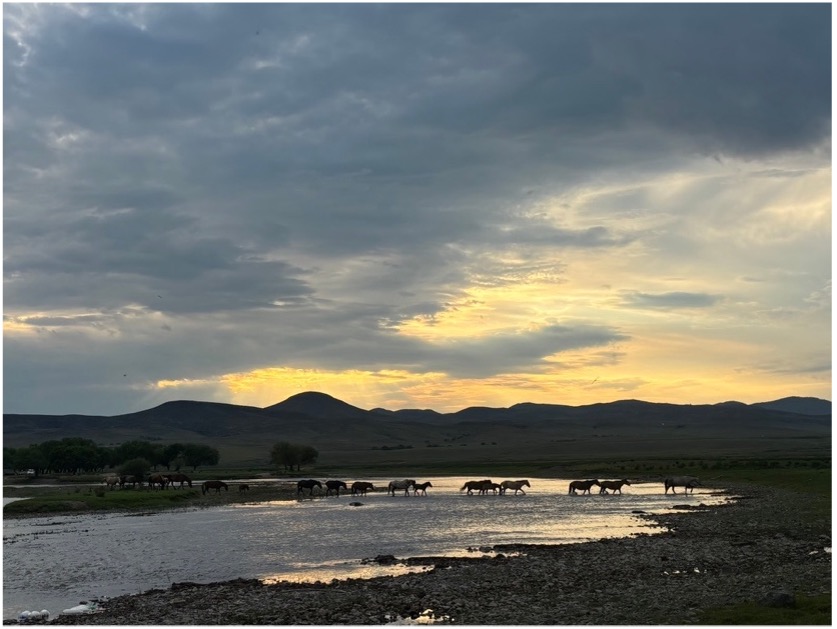
Despite the hardships, I also enjoyed the cultural aspects of my trip, notably the Mongolian Naadam festival, which celebrates horse racing, archery, and wrestling. I spent time with a local veterinarian's family in the countryside, experiencing the beauty of the steppe and the warmth of Mongolian hospitality. Each day involved milking mares, cooking traditional meals, and herding cattle.
Reflecting on my experience, I realized that the value of the trip transcended the number of samples collected or the skills acquired. The flexibility and welcoming nature of the Mongolian people reinforced the importance of personal connections and adaptability in both life and veterinary practice. While I initially focused on tasks, the scenic landscapes and friendships made a lasting impression.
I extend my gratitude to the Expanding Horizons International Education Program, the Einaudi Center for International Travel Research, and the American Association of Bovine Practitioners for their support. Special thanks to Catherine and Curtis Cummings for their funding, and to all the veterinarians who assisted in my travel preparations. Finally, I appreciate the guidance of Drs. John and Laurie Day and the local veterinarians I worked alongside in Mongolia.
Nicholas Wang is a second-year veterinary student in the DVM class of 2029, interested in veterinary public health and population medicine in international settings.