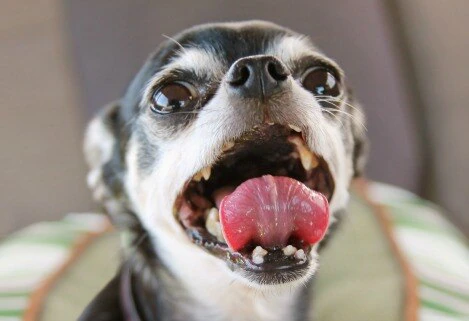
Dog saliva is often shrouded in myths, particularly regarding its antibacterial qualities and whether a dog's mouth is cleaner than a human's. Here are nine key facts to consider.
Read More
You can be allergic to dog saliva. While many presume that pet fur triggers allergic reactions, a significant number of these allergies originate from proteins in dog saliva. A study identified at least 12 different allergenic protein bands in dog saliva, suggesting that it poses a greater allergenic risk than dog dander. These proteins can become airborne when dry, potentially impacting sensitive individuals.
Dog saliva has antibacterial properties, though it should not be relied upon for wound healing. Dogs may lick their wounds to clean them, and certain proteins in their saliva can help prevent infection. A study published in 2018 noted that canine saliva contains antimicrobial enzymes and peptides that damage bacterial cell membranes. However, licking can also introduce moisture and inflammation that might hinder healing, making veterinary care advisable for any wounds.
Despite its antibacterial traits, dog saliva can transfer bacteria to humans. Dr. Edward R. Eisner warns that while infections are rare, bacteria can be transmitted from dogs to humans, as documented in a case where a woman developed a severe infection from her dog’s saliva. This risk is higher for elderly or immunocompromised individuals.
A dog's saliva is not cleaner than human saliva. Research indicates that only 16.4% of the microbes found in human and dog mouths are shared. Both species harbor bacteria linked to periodontal disease, and over 600 different types of bacteria have been identified in dog saliva, matching the diversity found in humans.
Certain intestinal parasites can be present in dog saliva, though transmission to humans is uncommon. Dogs often lick themselves and can carry bacteria and parasites in their mouths, including Giardia and hookworms. While rare, such infections can pose a greater risk to immunocompromised individuals.
Dog saliva can help prevent cavities. According to Dr. Colin Harvey, dog saliva is more alkaline than human saliva, neutralizing harmful acids produced by bacteria. This characteristic helps dogs avoid dental cavities more effectively than humans. Nonetheless, without proper dental care, dogs can still develop periodontal disease.
Saliva plays a different role in canine digestion. Unlike humans, dogs lack amylase in their saliva, an enzyme crucial for digesting carbohydrates. Their saliva's primary function is to help move food down their esophagus despite a different digestive mechanism.
Breeds with specific physical traits tend to drool more. Dogs with looser skin or short muzzles, such as the St. Bernard or Bullmastiff, often have excess saliva due to their anatomy.
Excessive drooling, or hypersalivation, can signal medical issues. While it can be triggered by excitement or food, it may also indicate problems such as nausea or dental issues. Pet owners should seek veterinary attention if drooling accompanies clinical signs like decreased appetite or difficulty swallowing.