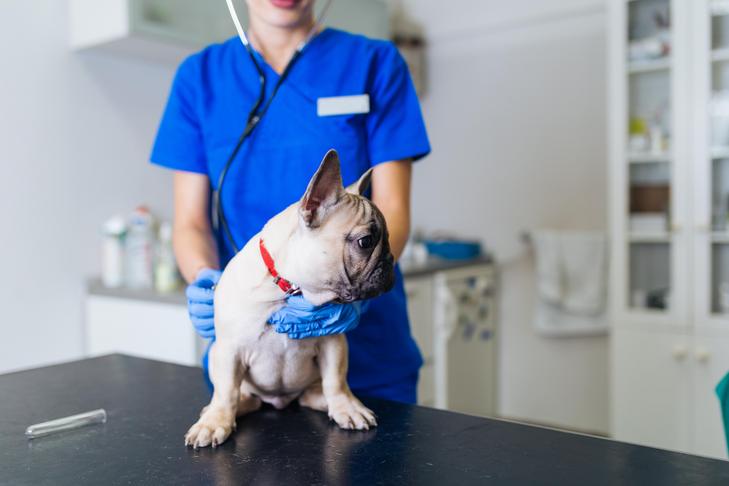
Recent confirmed cases of the New World screwworm in the U.S. have raised concerns among pet owners regarding the potential harm to dogs. Although the current risk to both humans and pets remains low, infections can be severe and require immediate veterinary attention. Being informed about the signs of infection and preventive measures is essential for dog owners.
Read More
The New World screwworm (Cochliomyia hominivora) is not a true worm; rather, it is the larval stage of a parasitic fly known for feeding on live tissue. According to Dr. Kate Elden, Chief Medical Officer at Dutch, this parasite is particularly dangerous as it targets healthy tissue, unlike typical maggots that consume only dead matter. Female screwworm flies are drawn to open wounds, laying 200 to 300 eggs near the wound's edge, which hatch within 12 hours and begin feeding on the tissue.
Screwworms predominantly affect livestock but can also infest dogs, cats, birds, and other wildlife. Pets with any wounds, even minor ones such as scratches or surgical incisions, are at an increased risk for infestation. Dr. Kelly Hood emphasizes that good hygiene and proper wound management reduce the likelihood of infection in humans.
Symptoms of screwworm infestation in dogs include:
- Foul odor from a wound
- Increasing wound size
- Excessive drainage
- Swelling or irritation
- Visible maggots or egg clusters
- Signs of pain and restlessness
If any of these signs are observed, immediate veterinary care is crucial. The primary indicator of screwworm infection is the presence of larvae in or near a wound. Veterinarians typically diagnose the condition by examining travel history and potential exposure to infected animals.
Treatment involves removing the larvae, cleaning the wound, and possibly prescribing antibiotics if an infection is present. Preventative measures include the use of year-round flea and tick medications, which can help deter screwworm infestations. Dr. Elden suggests that maintaining pets on prescriptions like Credelio, NexGard, or Simparica Trio can provide adequate protection.
Recovery time varies based on the severity of the infestation. Minor cases with less tissue damage could heal within weeks, while serious infections may lead to prolonged recovery or permanent damage.
While there was widespread eradication of screwworm in the U.S. during the 1960s, vigilance is needed now as isolated cases are appearing again. Dog owners, especially those in affected regions, should monitor for wounds and seek veterinary care promptly. This awareness, coupled with consistent use of parasite preventatives, is the most effective strategy against potential screwworm infections.