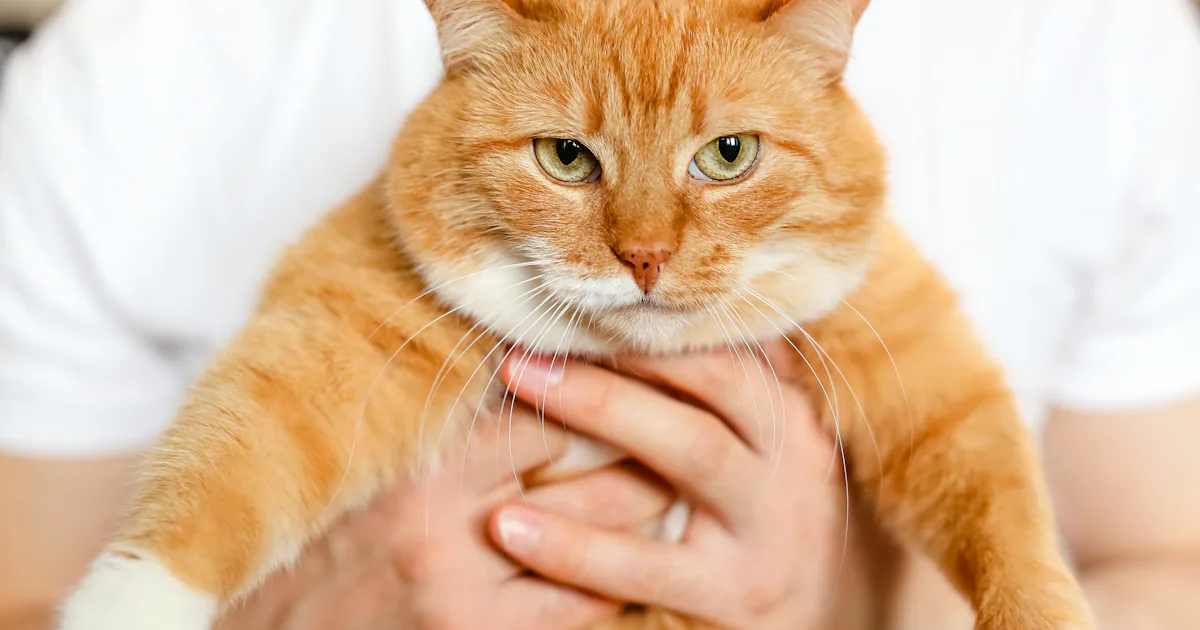
Cat cognition has not been studied as extensively as that of dogs, leaving questions about how felines perceive their human companions. A team of pet experts and veterinarians attempted to explore this topic, discussing how a cat’s thoughts about its owner might depend on their shared experiences. Yui Shapard, a veterinarian and educational director of the Association of Asian Veterinary Medical Professionals, noted that while we may never fully understand what cats think, we can gather insights into their emotions—ranging from pain to contentment.
Read More
Experts suggest that understanding a cat's perspective begins with introspection about human behavior. Cats have a unique relationship with humans, often responding differently based on their mood. Emma Grigg, an animal behaviorist from the University of California, Davis, pointed out that a cat's interpretation of its owner may vary depending on their shared history. Liz Stelow, also from UC Davis, highlighted that cats are particularly sensitive to humans' emotional states, such as depression.
The belief that cats regard humans as larger versions of themselves has circulated among cat owners. Molly DeVoss, a feline behavior specialist, remarked that while cats might perceive us similarly to other felines, they may not necessarily distinguish between species. Shapard, however, considers this notion more myth than fact, stating there is no solid evidence to support it.
According to other professionals, including Grigg, cats likely recognize differences between humans and other cats. They view humans as social companions rather than other felines, and their attachment is based on the care provided—like food—rather than a mistaken identity.
The ability of cats to recognize human emotions remains an area of limited research. While they are not as adept as dogs at interpreting human facial expressions, they can respond to scent changes that indicate emotional or physical shifts in their owners. DeVoss noted that cats may detect alterations in a person's scent when they are ill or stressed.
Emerging research suggests that cats might have more capability to read human emotions than previously thought. Shapard referred to studies indicating that cats may recognize different emotional cues in humans. Cats often make eye contact, especially through slow blinks, as a form of communication or affection.
When evaluating their thought processes, experts recommend observing a cat’s body language. Grigg advised allowing cats to approach on their terms and suggested using consent tests, such as gauging whether a cat returns for more petting.
Taking cues seriously can prevent misunderstandings that could lead to injury. Simple actions like a cat's response to being petted can reveal their feelings; a hiss or narrowed eyes may indicate discomfort. Shapard cautioned against misreading purring, noting it may signify contentment or anxiety.
Understanding cat behavior is vital for improving the human-feline connection. Experts encourage pet owners to attentively observe both their own actions and the subtle cues from their cats for a better relationship.