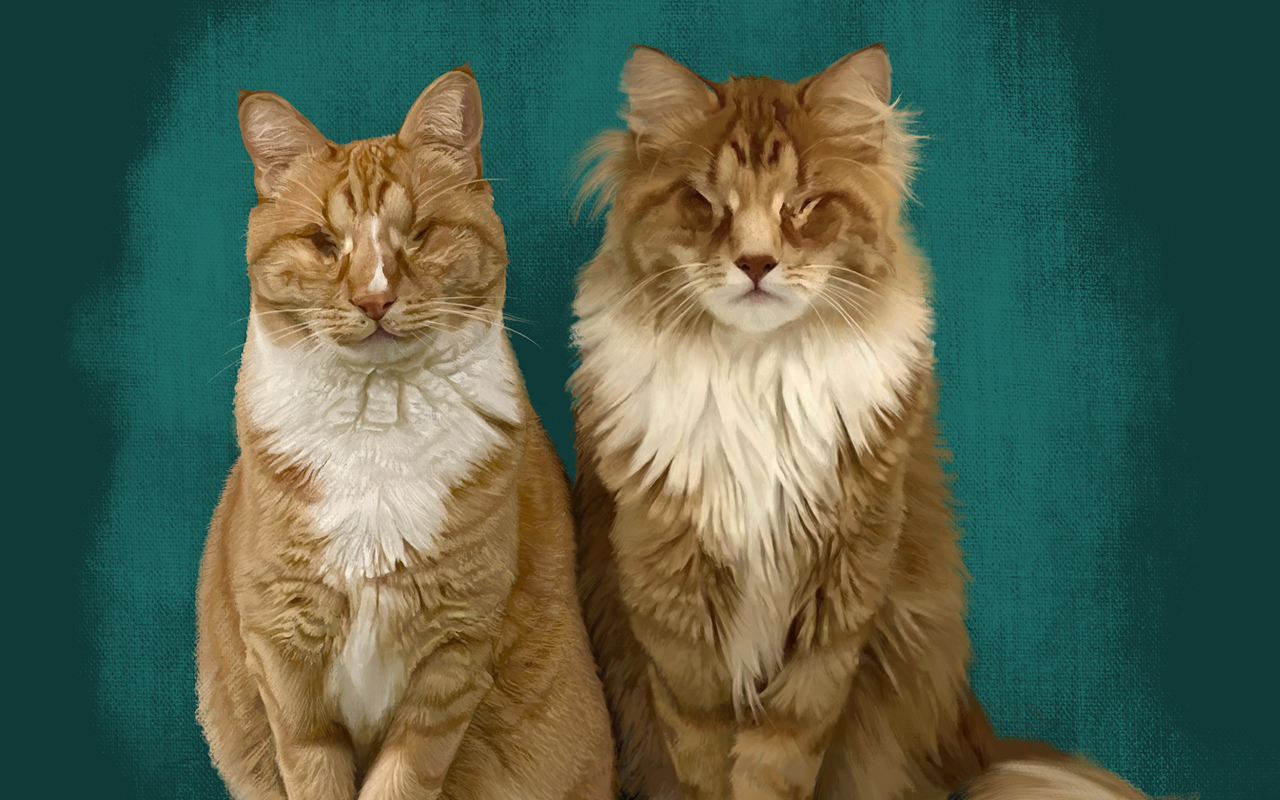
Researchers at Cornell University College of Veterinary Medicine and the Baker Institute of Animal Health have documented the first molecular characterization of Marfan syndrome in domestic cats, as detailed in a paper published on September 19 in Scientific Reports. Brothers Gary and Shaggy are the first known cases of this rare inherited disorder, primarily seen in humans, which affects connective tissues throughout the body.
Read More
As kittens, Gary and Shaggy exhibited notably longer limbs, prompting veterinary examinations that revealed issues with their eye structures and enlargement of the aorta—symptoms indicative of Marfan syndrome. This disorder affects approximately 1 in 4,000 people, but the condition had not previously been documented in cats.
A multidisciplinary team from Cornell's Baker Institute, Ghent University in Belgium, the University of Pennsylvania, and the Schwarzman Animal Medical Center in New York collaborated through detailed clinical evaluations and genetic sequencing to identify the FBN1 gene as the cause of the condition in the siblings. This gene is responsible for producing fibrillin-1, a crucial protein in connective tissues, including those found in blood vessels, bones, ligaments, skin, and eyes.
The researchers discovered that both Gary and Shaggy carried two altered copies of the FBN1 gene, inheriting a mutated version from each parent. In humans, having just one altered copy can trigger Marfan syndrome. The cats' inherited mutations are rare but did not completely disable the gene; instead, they partially disrupted its function. This allowed the cats to survive into adulthood despite the potential severity of their condition.
Dr. Jacquelyn Evans, senior author of the study, emphasized the importance of this discovery for veterinary practice and the collaborative role of pet owners in advancing veterinary and genetic research.